Sercifer
  15.09.2026
  27
27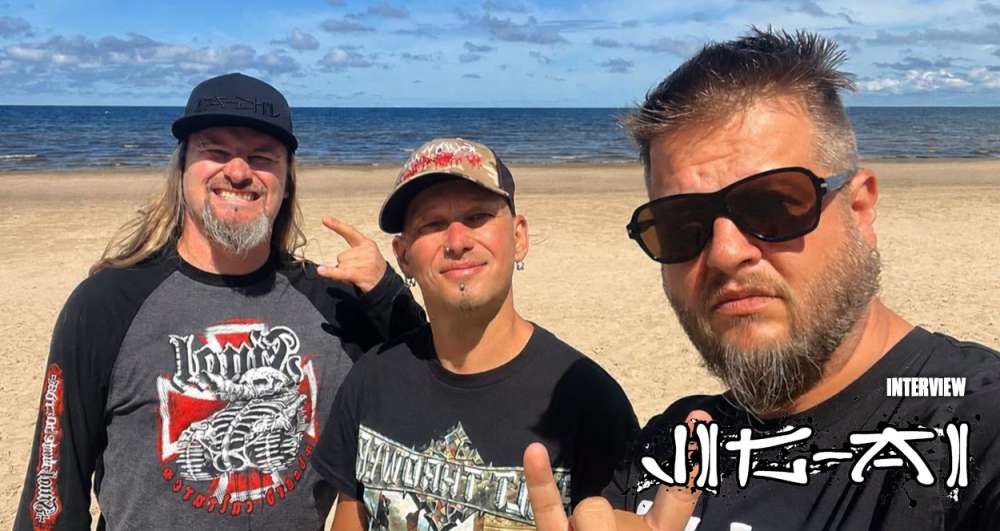
Jig-Ai is one of the most popular names from the early 2000s; they embraced the concept of grotesque, bloody anime and pornography—elements known in Japan as *ero-guro* (erotic-grotesque). Originating in the 1920s as a cultural rebellion against traditional values and censorship—aiming to shock by confronting the taboo of the obscene—this aesthetic eventually crossed over into manga and anime. However, within the "porno-grind" metal scene, it was this Czech band that truly forged a unique identity in Goregrind. Their 2006 debut album showcased that sick, violent anime aesthetic, making them the first to export that style while establishing a distinct personality of their own. Back in the early 2000s, I sometimes wondered if the music was computer-generated or if they were a Japanese or Asian band; in reality, they hailed from one of the countries most passionate about Goregrind, and their album art began to spread widely within that scene. Now, twenty years after I first heard them, we have their fourth studio album, *Jigoku*, released via Bizarre Leprous Production.
Para leer la entrevista en español: Entrevista a Jig-Ai
Metallerium: Hello and welcome to Metallerium.com! Thank you for taking the time to talk with us today. We are grateful to talk about Jig-Ai and your fifth studio album “Jigoku”, along with many other topics related to your music. It’s been seven years since your last release, so we’d love to hear how you and the band are doing now that the new album is out. First of all, how are you feeling now that “Jigoku” is out? After seven years since your last album, how is the band doing with this new release?
Buraak: Hello and greetings to Metallerium! Thanks to Jarda and Rob, the band is very active right now. If we were twenty years old, we would probably do nothing else but play music! I am the only original member left. The new material sounds a bit different, and the overall sound is cleaner. We feel great, we are very happy with the new record Jigoku, and we are looking forward to playing concerts. We are still getting a lot of show offers.
Metallerium: Jigoku heavily explores Japanese folklore, Oni demons, and urban legends, but tracks like Karōshi System connect these myths with the cold realities of modern society. How do you balance ancient mysticism with social criticism while maintaining the extreme and grotesque nature of Goregrind?
Rob: Japanese mythology and modern society are actually very close to each other. Old stories about Oni demons or how Jigoku (hell) works are mainly about cruelty and perversion. That is exactly what the modern system or corporate world does, as you can see in topics like Karōshi — death from overwork.
Modern society squeezes the soul out of people just as mercilessly as those mythical demons. Our music works as a great release valve. We do not use it just for random shock value, but as a way to show how the system can chew a person up and spit them back out. It is simple, raw, and direct aggression without any fake polish.
Metallerium: Since your self-titled debut in 2006, the band’s sound has evolved while keeping its core identity. For Jigoku, you included brief flashes of traditional instruments and spoken passages. Was this a conscious effort to push the boundaries of the genre, or did it happen organically during the recording sessions at Davos Studio?
Rob: Regarding the sound and elements like traditional instruments or spoken words, everything came naturally while writing the songs and building the atmosphere. These short parts create a great contrast. They pull you into a traditional Japanese vibe for a second, and right after that, a massive wall of down-tuned guitars and blast beats hits you even harder.
Metallerium: Jigoku features 20 tracks packed into just 26 minutes, meaning most songs average slightly over a minute. From a songwriting perspective, how difficult is it to inject catchy riffs and structured violence in such a short window without making the album sound repetitive?
Rob: It is a constant balance between fast speed and functional riffs. In goregrind and grindcore, it is very easy to end up sounding like one big wall of noise. But we always try to give every song its own personality. We write the music to have the right balance of blast beats, crushing heavy bass, and catchy rhythmic parts that people in the crowd can react to immediately. When a song is only one minute long, you have to cut away all unnecessary parts. Only pure, undiluted energy remains.
Metallerium: The artwork and visual presentation for Jigoku—including the video for Hitobashira made by Frodys—is incredibly striking and dark. As a band signed to Bizarre Leprous Production, how vital is the physical format and the visual arts today, when most people consume music through quick digital streams?
Buraak: Personally, I do not like the modern digital age. Anyone who knows me knows that I still use an old button phone, which is held together by tape so it doesn't fall apart. I hate internet banking, and I don't use credit cards. I am a very nature-oriented person. Recently, a customer told me I am a very "analog" person because he saw how I avoid the digital world and do everything the old-fashioned way.
Physical formats are essential to me. I am a collector myself. At almost every show, I buy physical releases from other bands, and I order a lot from our label manager and friend Roman Poláček. I prefer taking a CD or LP off the shelf, putting it in the player, looking through the artwork, smelling the printed paper, and reading something in it. I am a craftsman by trade, my job is creating physical, long-lasting things, and I also do artistic woodcarving. So visual art is very important to me, while the digital world goes completely past me.
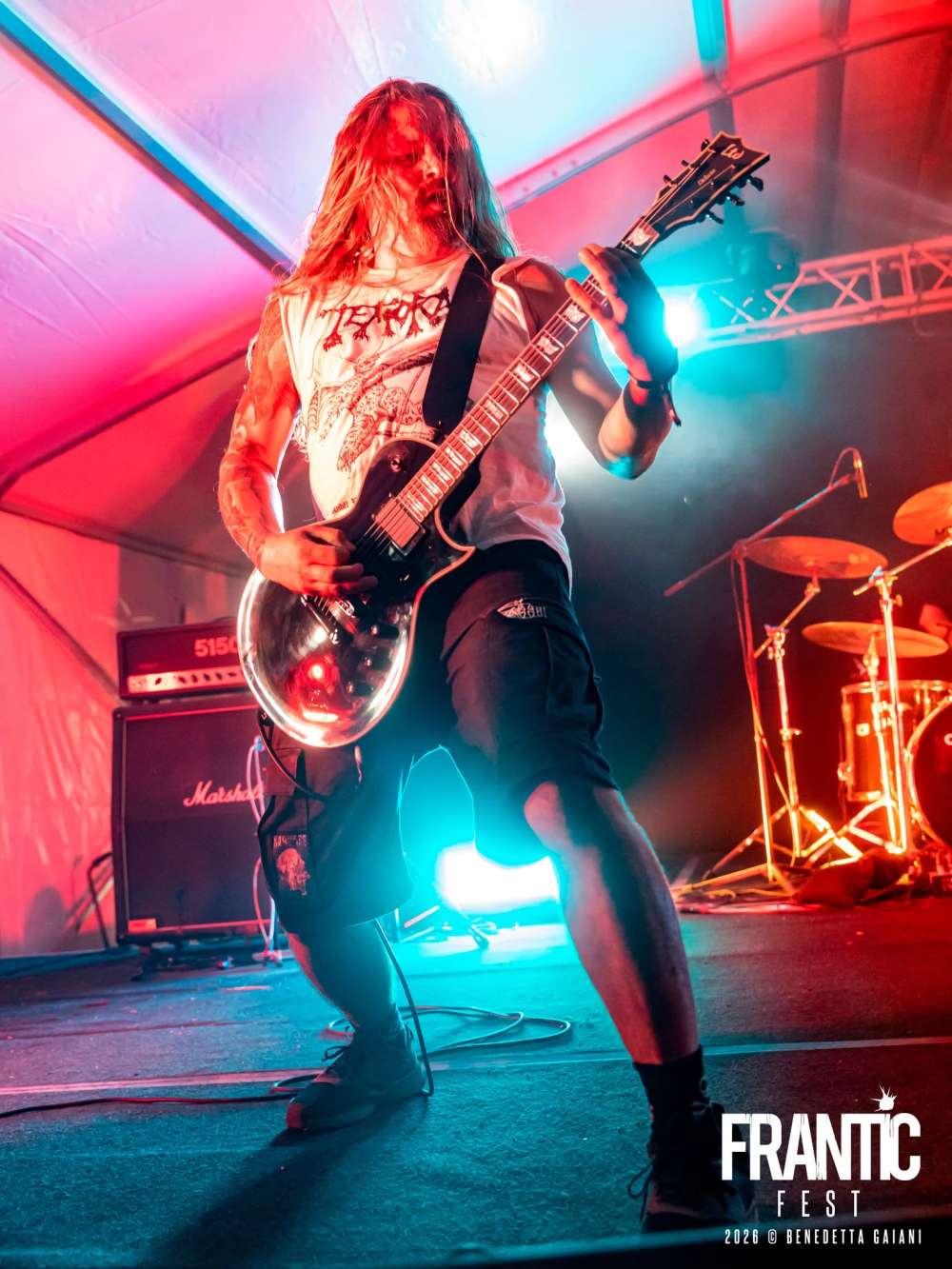
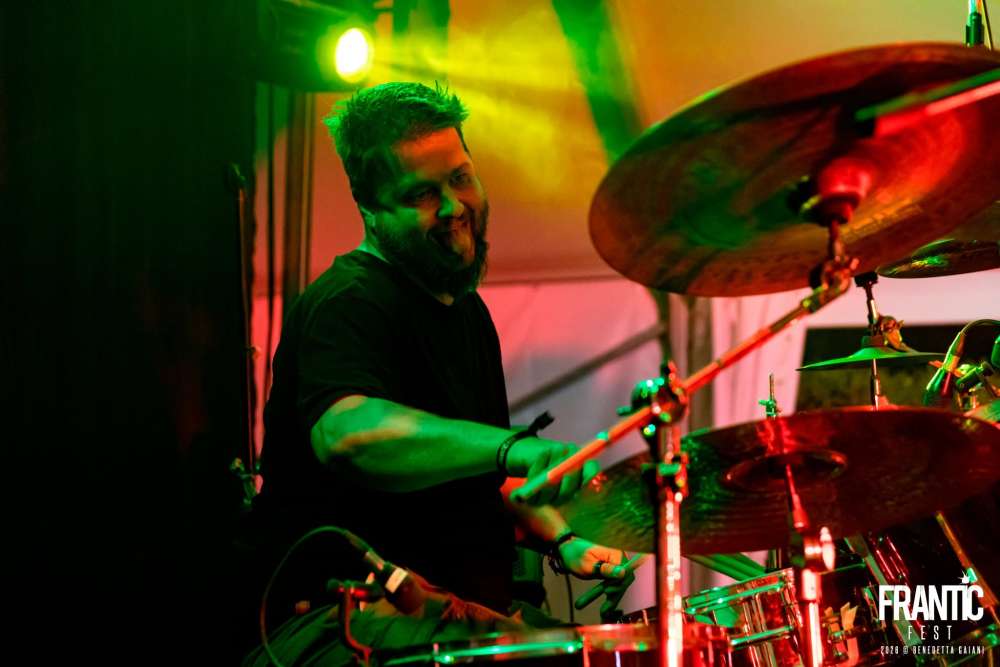
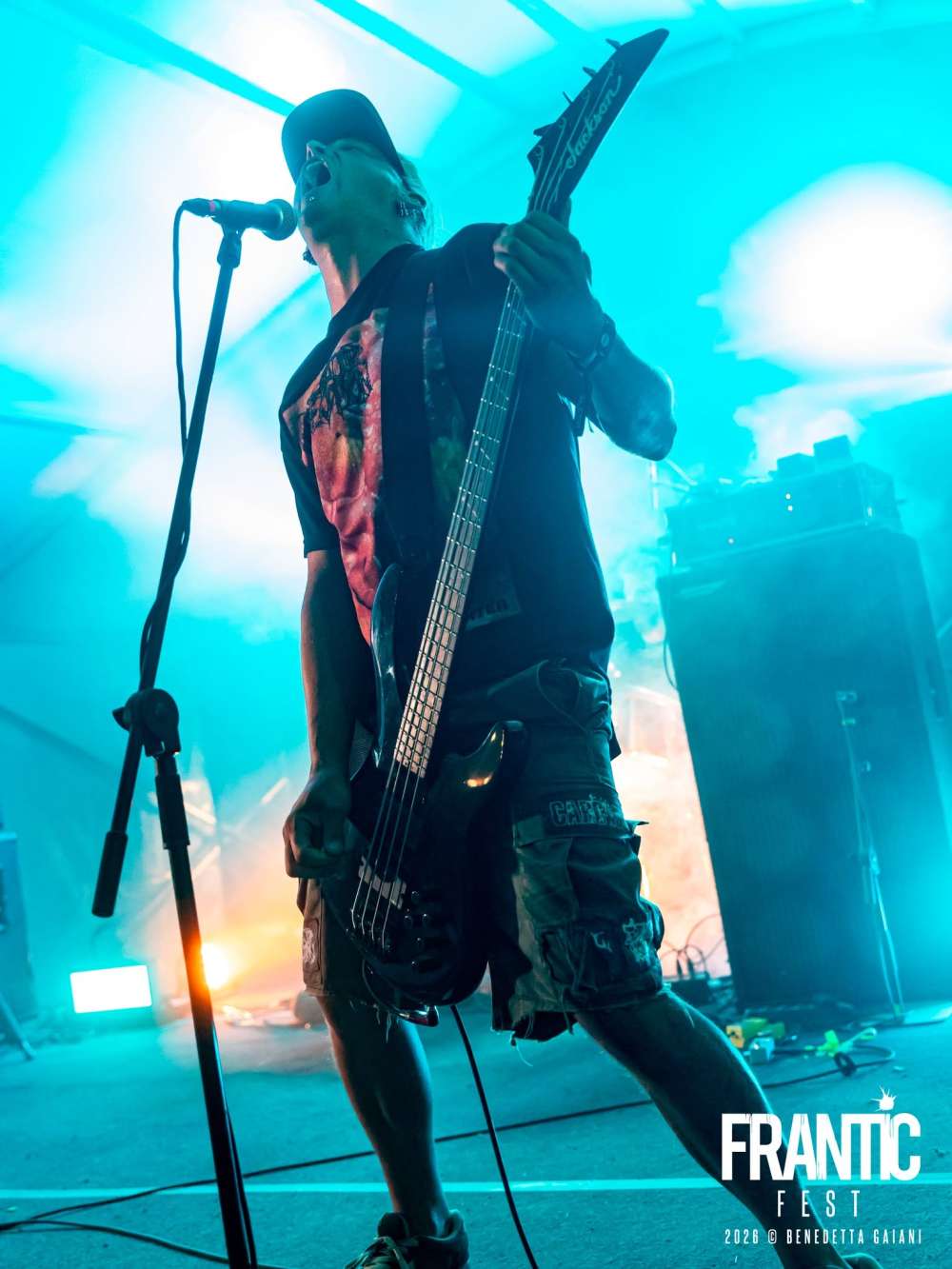
Metallerium: You recently played at Frantic Fest and have the Burgore Deathfest ahead. After more than two decades in the underground scene, how does the energy of the crowds reacting to the new tracks compare to your early years, and what keeps the flame of Jig-Ai burning so intensely?
Buraak: The fans' energy is still the same. We try to keep our music loyal to the spirit and legacy of the genre's legends. But both our original guitarist Brain and our new guitarist Rob brought different influences into Jig-Ai, which gave our band a unique sound right from the beginning. Because we do this from the heart and put a lot of energy into our live shows, the reactions from fans are mostly positive.
When it comes to musical evolution, some people prefer our older albums and others like what we play now. That happens with all bands. The key is to do it with passion and from the heart. That applies to everything in life. If you do things with passion and full effort, it will bring a positive result sooner or later.
Metallerium: For years, Jig-Ai was heavily associated with the classic ero-guro aesthetic—featuring extreme hentai gore artwork on covers like Katana Orgy or Rising Sun Carnage. However, Jigoku shifts its focus entirely toward Japanese folklore, Oni demons, and historic urban legends. What triggered this thematic evolution, and do you feel the shock value of the classic ero-guro imagery had already hit a ceiling in the modern goregrind scene?
Rob: It was a natural personal and band evolution. Lineup changes also played a role: our drummer Jarda joined in 2019, and I came in as the new guitarist in 2023. Buraak is the only member from the original line-up.
The topic of Japan remains very close to us, but after all these years, we wanted to look at it from a different perspective. Traditional Japanese mythology and demonology is an endless well of darkness, weirdness, and perversion. You find characters ranging from the cruel judge Enma to bizarre spirits, and even grotesque figures like Tanuki. These demon stories have great depth and reflect all the bad sides of human nature. Jigoku is a completely new, more mature, and darker chapter for us.
Metallerium: In Jigoku, you integrated brief flashes of traditional Japanese instruments like the shamisen and koto alongside the crushing pig squeals and blast beats. Extreme metal often struggles to blend acoustic folklore elements without losing its raw violence. How did you manage to insert these traditional textures without making them sound like a gimmick or a distraction from the main sonic assault?
Rob: To get the best result and avoid sounding like a cheap trick, we had to work with real professionals. I managed to find Sakurako Sato, a Japanese artist who plays the shamisen brilliantly, and an Indonesian multi-instrumentalist who plays the traditional koto amazingly well.
It was a completely new experience for me to communicate everything remotely and agree on how things should sound in the end. But because they are top-tier musicians, the whole process went super smoothly. Thanks to them, the traditional elements fit naturally and add the exact atmosphere we wanted, without losing any of our music's brutality.
Metallerium: You have sustained a long-running relationship with Bizarre Leprous Production, a legendary name in the underground, and for Jigoku you are releasing specialized formats like a limited signed LongBox with illustrated stories. In an era where a few major independent labels dominate the physical metal market, how critical is it for a band like Jig-Ai to remain fiercely loyal to an underground niche label to protect your artistic freedom?
Buraak: Yes, exactly as you say. Roman from Bizarre Leprous gives us total freedom. He is a true underground fan for life who does not care about making big money, but about supporting extreme bands from all over the world. He is our friend, a great guy, and very sympathetic. Even if small flaws happen sometimes, the reasons to stay with him are much bigger.
I cannot imagine being signed to a big label with a contract where someone tells me how to make music and when a new record must come out. At that point, my life's passion and hobby would turn into hard labor and a burden. I would rather build roofs for people during the week and look forward to a weekend trip with Jig-Ai where nobody dictates anything to us!

Metallerium: Jig-Ai has maintained a very stable three-piece core—Buraak, Rob and Jarda—for a significant time now, which is rare in a genre known for constant lineup shifts. When analyzing the instrumentals of Jigoku, the synchronization between the drum patterns and the rhythmic riffing feels incredibly precise. How much of this record technical tightness is a direct result of this long-term stability as a trio?
Rob:Jig-Ai has always worked as a trio, and this current lineup has been together for three years. Operating as a three-piece is essential for our sound. As a trio, everything is much more direct.
The precision on the album comes from the fact that we all respect the core identity of Jig-Ai, but each of us brings our own playing style, whether it is the tight drum patterns, Rob's guitar sound, or Buraak's heavy bass and vocals. When you play in a trio, you cannot hide behind anyone else. Every instrument has to fit 100%.
Metallerium: Modern digital studios allow grindcore and death metal bands to sound flawlessly clean, heavily triggered, and artificially polished. For Jigoku, did you consciously fight against this trend to keep a muddy, organic, and threatening atmosphere, or do you embrace modern production technology as a tool to make the goregrind genre sound more massive?
Buraak: If the new album makes that impression on you, I am glad, but personally, I think the recording is very clean and the least "dirty" album we have released so far. Some people might like that, and others might not.
The sound on the new record is very modern compared to other bands releasing music in the genre today, not to mention the 90s legends. Only a few bands today keep that real filth and sickness that Goregrind should have, but it is still possible to achieve it. It all depends on what the band members agree on together as a team.
Metallerium: Finally, what would you like to say to your fans in Latin America and the readers of Metallerium? Are there any chances to see you touring across Latin America? Thank you again for your time. Congratulations on “Jigoku”, and all the best with the new album!
Rob: Latin America has always been a massive fanbase for real goregrind maniacs, and we have our strongest supporters there. We have great news for all of them: we are currently arranging a tour across Latin America for autumn 2027! We cannot reveal any specific details yet because everything is still in negotiations, but the beast is moving.
Big greetings to all readers of Metallerium! Make sure to check out our new album Jigoku, let us know how you like it, and see you in the moshpit!
¡Muchas gracias por el apoyo, un abrazo fuerte a todos y nos vemos pronto en el infierno! ?




 Megadeth - Megadeth - 2026
 Karnivool - In Verses - 2026
 Locus Noir - Shadow Sun - 2026
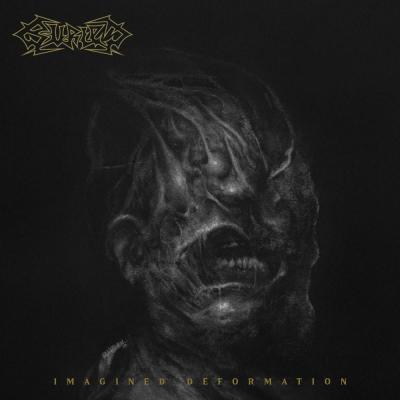 Buried - Imagined Deformation - 2026
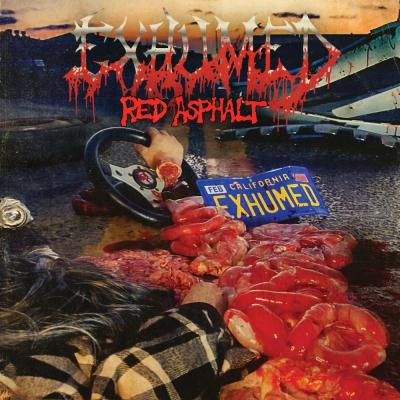 Exhumed - Red Asphalt - 2026
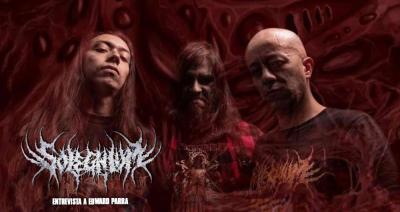 Entrevista a Solegnium (Edward Parra)
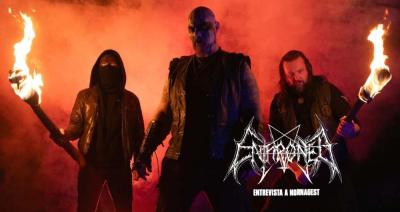 Entrevista a Enthroned (Nornagest)
 Entrevista a Sun of the Dying (Daniel y Roberto)
 Entrevista a Putrid (Miguel Ángel Beraun)
 Entrevista a Phobocosm (Samuel Dufour)
 Bandas Suecas que cambiaron las reglas del juego en el Metal mundial
 Ranking de lo peor a mejor de Dream Theater
 Ranking de lo peor a mejor de Testament
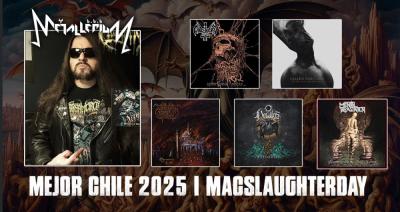 Lo mejor de Chile 2025 (Macslaughterday)
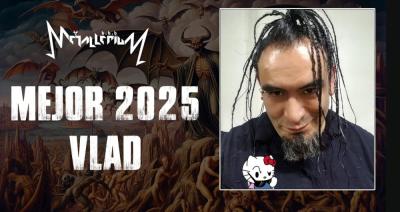 Lo mejor del 2025 (Vlad)
 Sea Bastard presentan nuevo sencillo Prophet of the People de nuevo álbum Cyclopean
  Sercifer
 15.09.2026
  39
39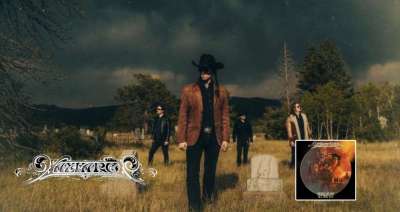 Wayfarer presentan nuevo sencillo Hollow Hearts On The Trail To Eden de nuevo álbum Riders of the Setting SunSercifer 15.09.2026 41
 200 Stab Wounds presentan nuevo sencillo Gross Abuse de nuevo álbum Lowest FormSercifer 15.09.2026 40
 Estertor presentan sencillo principal de nuevo álbum Evil Black ChurchSercifer 15.09.2026 53
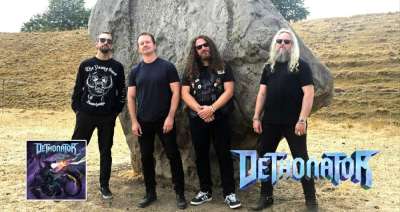 Dethonator presentan nuevo sencillo Storm Chaser de nuevo álbum The Last Realm of MagicSercifer 14.09.2026 78
 Suicide Silence presentan sencillo principal de nuevo álbum GracelessSercifer 14.09.2026 67
 Steven Wilson presenta sencillo principal de nuevo álbum Requiem For A VillageSercifer 14.09.2026 67
 Night Hag presentan nuevo sencillo Drowned in Death de nuevo álbum Great Dismal DarknessSercifer 14.09.2026 70
 Fused
Fused Zeratulstra 09.09.2026 130
 Crack the SkySercifer 07.09.2026 138
 A Social GraceSercifer 07.09.2026 178
 The Magnificent Rebirth Of A Mighty Old EmpireSercifer 07.09.2026 178
 The Puppet MasterGocho 12.08.2026 499