Sercifer
 03.11.2026
 36
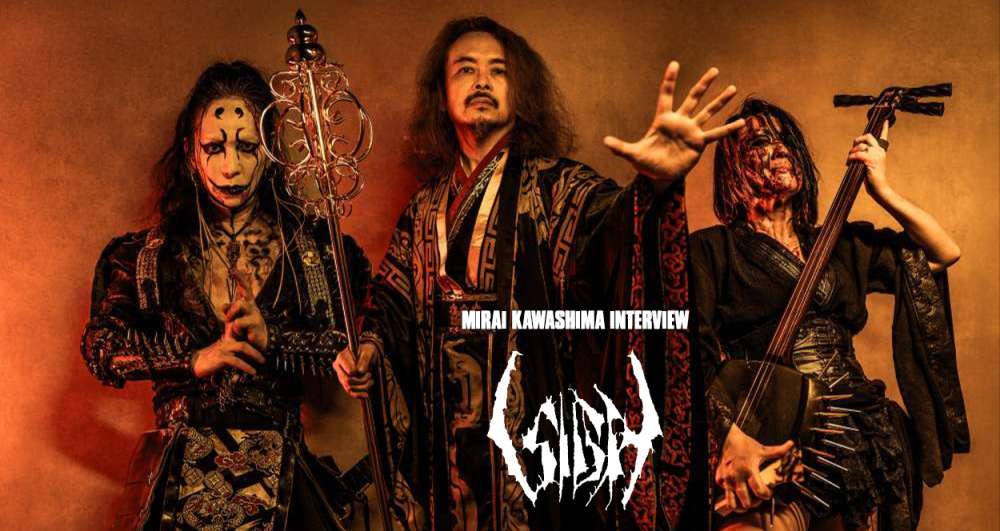
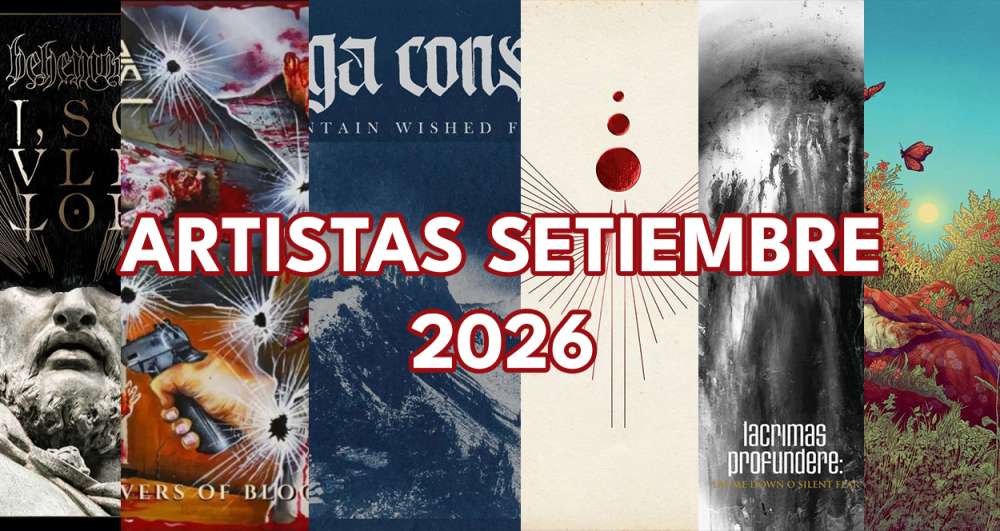
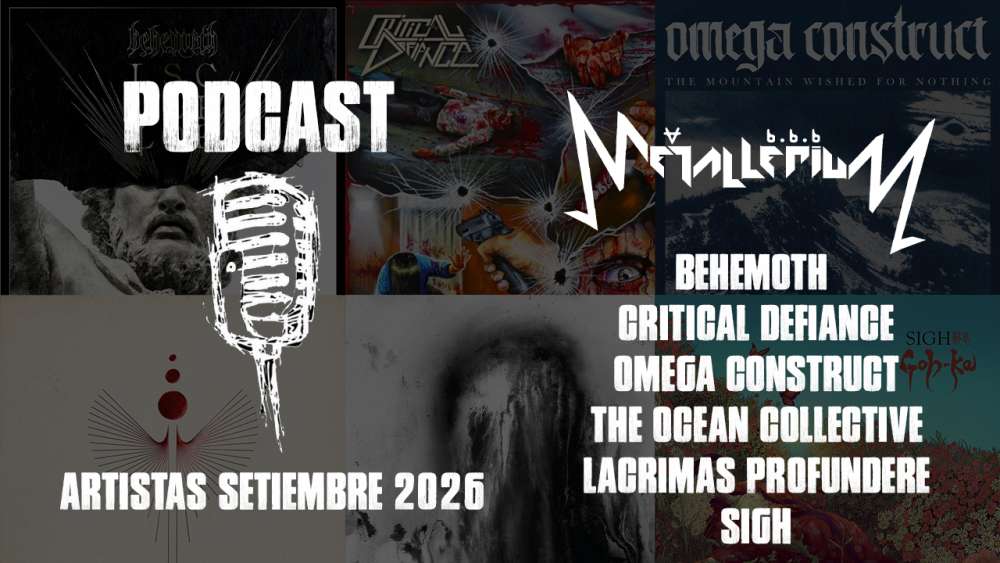
Sigh is a band that originated in 1989 under the name Ultra Death—a moniker used for only a single year—making them one of the longest-running acts in the Japanese extreme music scene. They possess an undeniable, distinct personality—the kind only this Japanese group could cultivate. I still recall albums like *Scorn Defeat* (1993), *Infidel Art* (1995), and *Hail Horror Hail* (1997), which defied easy musical categorization. While they were once associated with labels like Deathlike Silence Productions or Cacophonous Records—both leaning toward the Black Metal side—it was simply because the band had, at one point in their history, drawn influence from that sphere. However, they have always remained open to diverse ideas; this is precisely why labels such as Century Media, Candlelight Records, The End Records, and now Peaceville Records view them as an inexhaustible wellspring of character. Each new record offers a unique experience, presenting fresh concepts and evolving iterations of the band itself. And so, we now arrive at their latest album, *Goh-Ka*, released four years after their previous effort, *Shiki* (2022).
Para leer la entrevista en español: Entrevista a Sigh
Metallerium: Hello and welcome to Metallerium.com! Thank you for taking the time to talk with us today. We are grateful to talk about Sigh and your 13th studio album “Goh-Ka”, along with many other topics related to your music. It’s been 4 years since your last release as a new album, so we’d love to hear how you and the band are doing now that the new album is out. First of all, how are you feeling about this “Goh-Ka”? After four years since your last album, because “I Saw the World's End - Hangman's Hymn MMXXV”was a re-recorded session, how is the band doing with this new release?
Sigh: The album is out and we have just come back from the Europe tour to support it. This has been a very productive year with the US West Coast tour, another Europe tour to play early material etc., and fortunately all of them went very well. The reactions to “Goh-ka” has been great, too. In November we will go to Canada to play some early stuff.
Metallerium: Goh-Ka has a triple meaning: infernal fire, a huge fire at the end of time, and karma. Musically, you have described it as equally personal to Shiki. How does the overarching concept of Kuso-zu (the nine stages of a decomposing body) connect with your own current views on mortality, aging, and human vanity?
Sigh: The main theme of the album is Kuso-zu, but there are 2 songs, song 2 and 8, which were inspired by Jigokuezu, which is traditional Buddhism paintings describing how hell should be. In that sense, the album title is connected to those 2 songs. We chose “Goh-ka” as a title because this time it had to start with “G” to keep the S-I-G-H cycle.
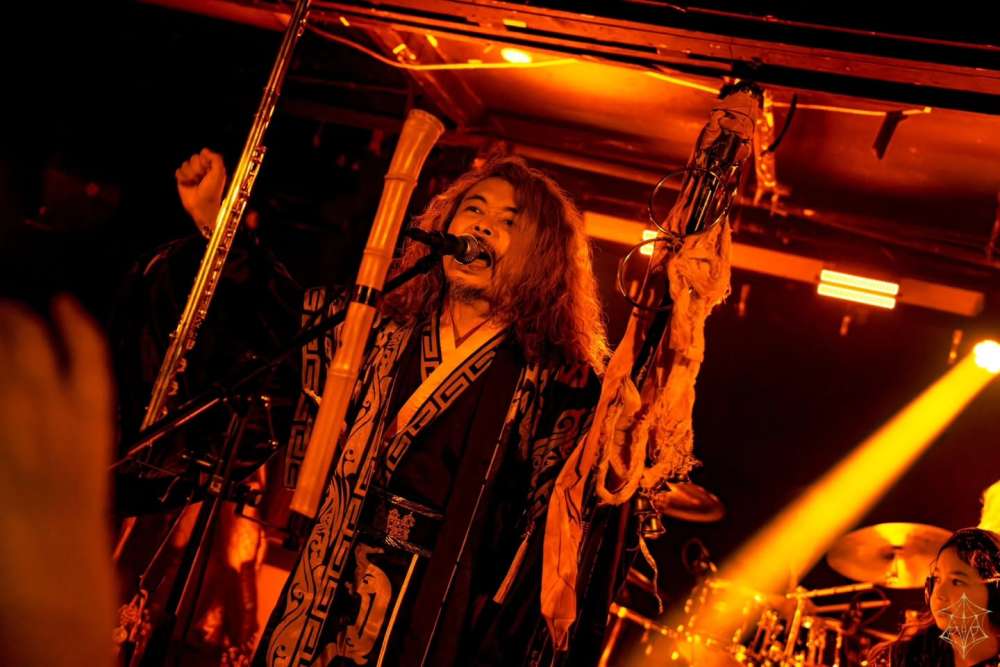
Metallerium: The album cover and booklet explicitly feature Kuso-zu art to show that everyone rots sooner or later. In a music industry that is deeply obsessed with aesthetic perfection and image preservation, do you consider Goh-Ka a deliberate, provocative statement against modern visual superficiality?
Sigh: I just wanted a cover that has a deep contrast between beauty and ugliness like our music has. I never thought about what today’s trend or anything. I’m too old to keep up with it and I don’t know about it very much anyway.
Metallerium: The first single "Unputenpu" uses a classic shuffle rhythm, which you stated you have finally mastered into your own Japanese style. Why did you choose this specific track to introduce the album, and how did the guest guitar solo by Mikael Åkerfeldt (Opeth) come together to boost the song?
Sigh: It wasn’t easy to pick up a track for the lead single as none of the songs represents the whole album. I mean, every song pretty much sounds different from each other, and you’ll never expect the song like the opener when you hear “Unputenpu”. So obviously the choice had to be the one to feature Mikael. His appearance came very naturally. When I was thinking about the guitar lead for the song, I happened to hear from him. Then I came up with an idea to ask him for that, and he was kind enough to quickly say yes. I didn’t tell him about how the solo should be or anything, but he perfectly nailed it.
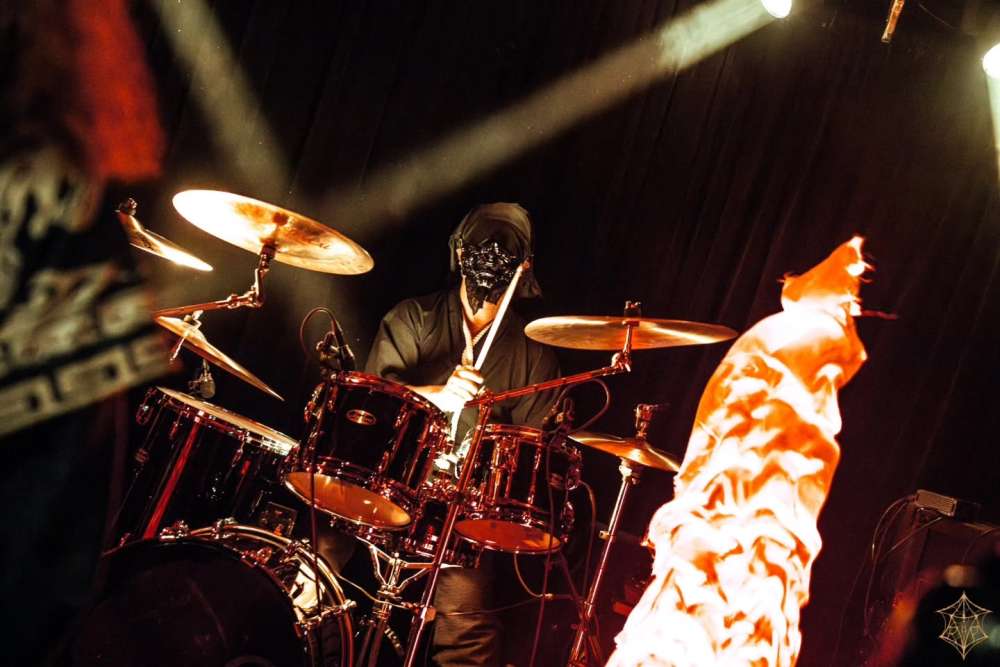
Metallerium: For Goh-Ka, your lineup includes high-profile musicians like Frédéric Leclercq (Kreator) on bass and Mike Heller on drums. How did working across multiple studios and having international members shape the final dynamic and recording process of the album?
Sigh: This was the third album to work with Fred and Mike. I was really frustrated with the technical limitations of the previous Sigh members when I was making “Shiki”. I was already in my 50s and I was not sure how many more albums I could make in the rest of my life. So, I decided to fire them and tap some “real” musicians. I’ve known Fred for a long time and knew he was a great musician. And Mike is definitely one of the best and the craziest drummer in the metal scene. And thanks to them, “Shiki” turned out to be a great album, at least to me. So, it was an obvious choice to keep working with them. There’s a chemistry between us. They both threw their own ideas into the songs to push them to another level, which never happened before “Shiki” unfortunately.
Metallerium: Sigh has been pushing boundaries for over three decades. Since you are touring Europe and North America, how does the audience's reaction to your dense, avant-garde extreme metal differ between Western crowds and your fanbase in Japan?
Sigh: Believe it or not, the reaction from the Japanese fans is the worst, or probably I should say the Japanese fanbase is the smallest. We draw much bigger audience in the US or Europe than in Japan. For the Japanese metal fans, heavy metal is the Western culture, which is true. They prefer to listen to the bands from the US or Europe, which I totally understand.
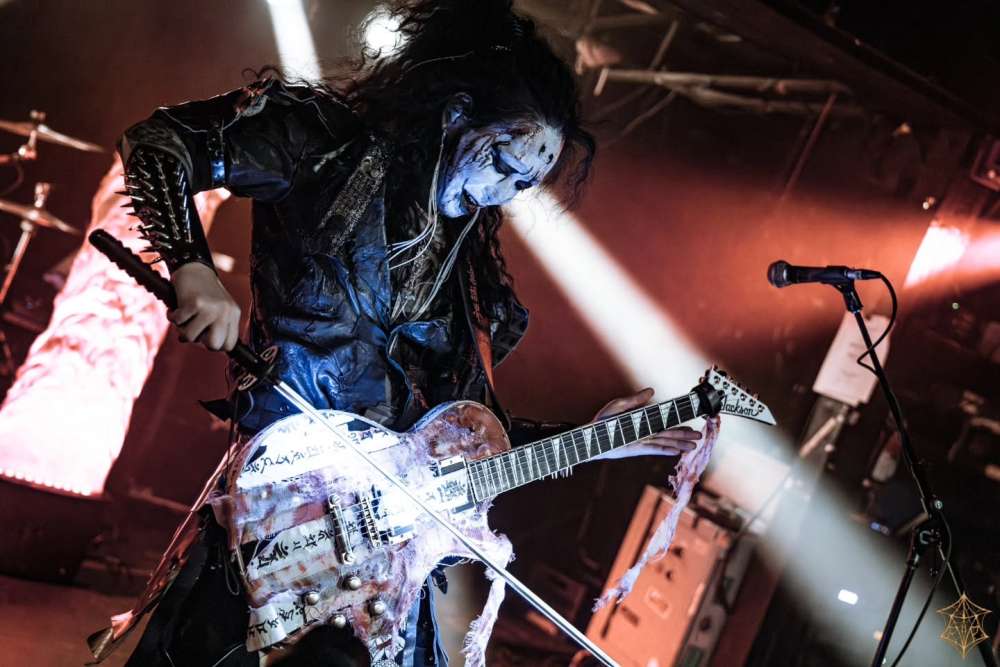
Metallerium: The lyrics of "Unputenpu" deal with fate, heaven's will, and the cruel reality that anyone could die today. Do you find writing about these grim, inescapable Buddhist concepts liberating, or is it a sonic coping mechanism for your own personal experiences?
Sigh: The trigger to write this song was my personal experience. Something totally unexpected and beyond my control happened, and I was totally shocked that your happiness could go away any time. But it is also true that I have been thinking about this for a long time. “Invitation to Die” on “Hail Horror Hail” had the same theme. Every day many people are killed in the traffic accident, but they must have been living a very normal life like we are right before the tragedy hit them. Now I am answering this interview, but this could be my last day.
Metallerium: Metallerium caters to a deeply dedicated community of metal purists. Many long-running bands eventually compromise or soften their sound to stay comfortable. Why does Sigh continue to choose the path of sonic chaos, unpredictability, and avant-garde experimentations rather than settling down?
Sigh: I simply don’t like “safe” music. What I want is the primal energy that music had when music was believed to have power to heal / curse people, change climate, etc. This isn’t something just comfortable or just to please people’s ears. But at the same time I don’t think we are avant-garde or experimental in any way. What we’re doing has been tried and done for more than 50 years. Nothing new.
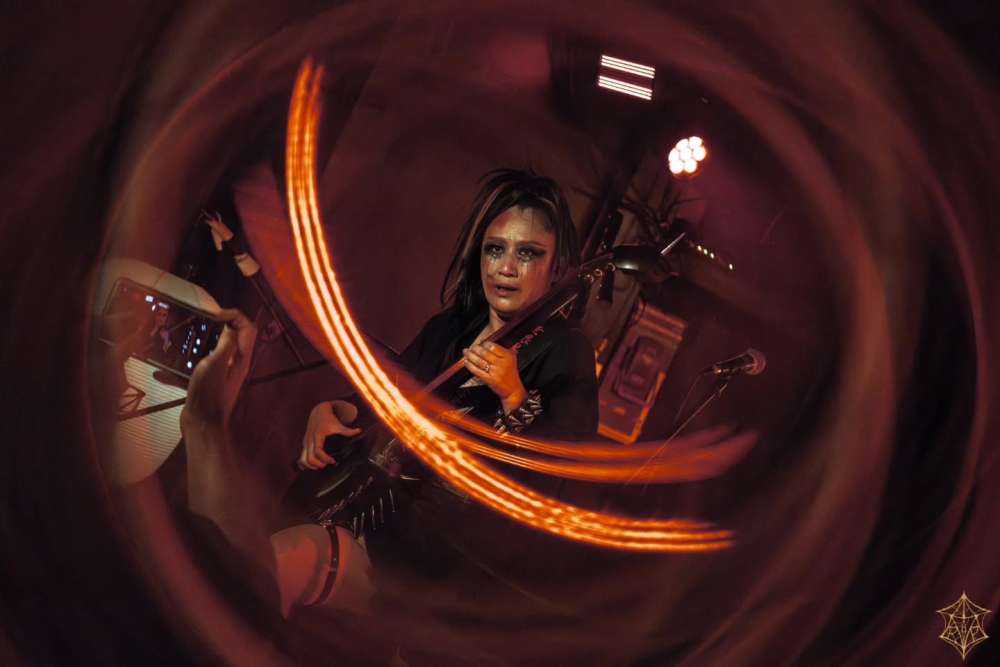
Metallerium: Japan has a reputation for being a highly polite and structured society, yet your music is pure, unadulterated rebellion and spiritual filth. Is Sigh a conscious middle finger to modern Japanese societal norms, or is it a safe escape valve for that repressed energy?
Sigh: What I am doing today is nothing but a pure self-expression. I can say it is a safe escape valve, but it is to soothe a fear of death. I won’t say it is a middle finger against the society. Surely the society is full of madness and it is completely rotten, but I still think I’m leading a better life than most of the slave workers in it. I’m already 56 and still tour internationally and the fans support us. That is lucky enough and I have nothing to complain to be honest.
Metallerium: Sigh has always violently broken the boundaries of black metal by adding saxophone, classical elements, and avant-garde madness. Black metal purists are notoriously rigid. Do you still consider Sigh a black metal band, or do you find the orthodox metal community too narrow-minded for your artistic vision?
Sigh: If I have to categorize our music, definitely black metal is the best genre. Black metal is very embracing. Sometimes both Deafheaven and Blasphemy are considered to be black metal bands although their music are completely different. Also black metal was more or less born as a resurrection of 80s thrash metal in the early 90s. Sigh’s music is heavily rooted in 80s thrash, too.
Metallerium: For decades, Sigh was one of the very few Japanese extreme metal bands with massive global recognition. Did you ever feel pressured to sound "more Japanese" to satisfy the Western appetite for orientalism, or did you have to fight to be taken seriously as a global metal heavyweight?
Sigh: Before “Shiki”, I rarely took in Japanese elements in our music although we often used the Japanese images for the artwork and lyrics. When I grew up, everything was strongly being Americanized and the Japanese culture looked very lame. Heavy metal was one of them. So I never had an intention to make Sigh sound Japanese. Well, I think even our early stuff sounds Japanese to the Western listeners, but it wasn’t intentional anyway. But as I got older, I started to be attracted to the Japanese culture, and I started listening to the traditional Japanese music and playing some traditional Japanese instruments such as Shakuhachi. That’s why the recent albums sound very Japanese. It’s just a change of my personal taste.
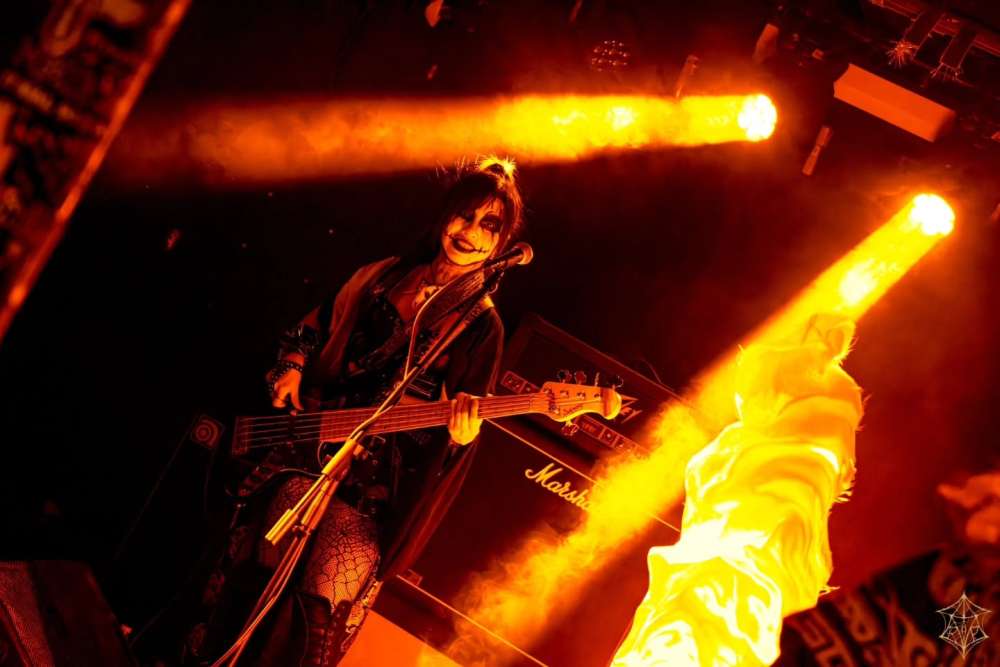
Metallerium: Many pioneering bands from the 90s have either softened their sound or rely purely on nostalgia. Sigh, however, remains dangerous and unpredictable. Do you feel a sense of superiority over your peers who chose the safe, commercial route?
Sigh: No, I never think about things like that. I just make music I want to make and listen. I don’t compare it with other bands or anything. It is 100% my personal expression.
Metallerium: Finally, what would you like to say to your fans in Latin America and the readers of Metallerium? Are there any chances to see you touring across Latin America? Thank you again for your time. Congratulations on “Sigh”, and all the best with the new album!
Sigh: I’ve heard a lot about the Latin America scene and definitely we would love to tour there whenever we can. Actually, there have been some talks about it and I do hope it will come true very soon!

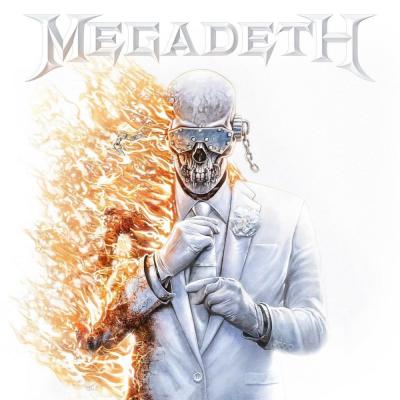 Megadeth - Megadeth - 2026
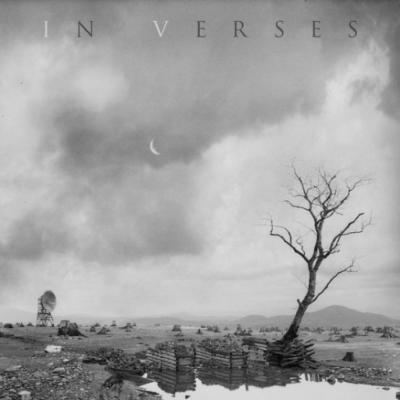 Karnivool - In Verses - 2026
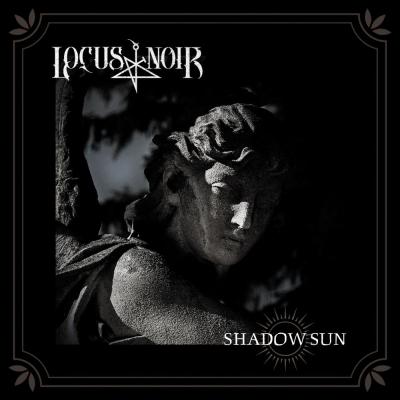 Locus Noir - Shadow Sun - 2026
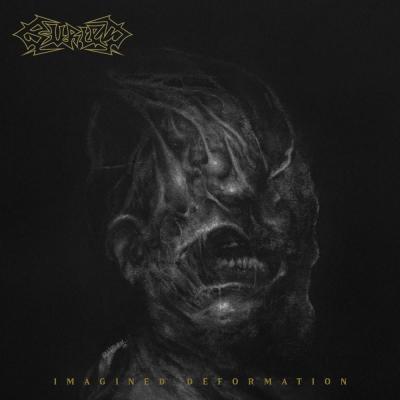 Buried - Imagined Deformation - 2026
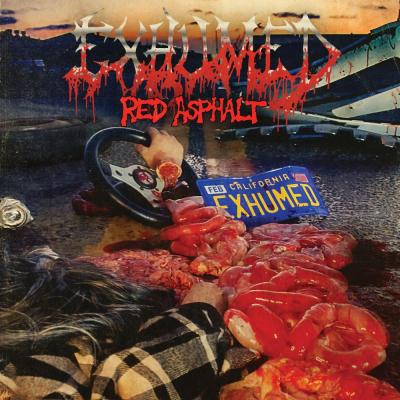 Exhumed - Red Asphalt - 2026
 Entrevista a Solegnium (Edward Parra)
 Entrevista a Enthroned (Nornagest)
 Entrevista a Sun of the Dying (Daniel y Roberto)
 Entrevista a Putrid (Miguel Ángel Beraun)
 Entrevista a Phobocosm (Samuel Dufour)
 Bandas Suecas que cambiaron las reglas del juego en el Metal mundial
 Ranking de lo peor a mejor de Dream Theater
 Ranking de lo peor a mejor de Testament
 Lo mejor de Chile 2025 (Macslaughterday)
 Lo mejor del 2025 (Vlad)
 Ferndal presentan sencillo principal de nuevo álbum Asuras
 Sercifer
 03.11.2026
 51
 Powercross presentan nuevo sencillo Sign of the cross de nuevo álbum Echoes Of Elysium / Part ISercifer 03.11.2026 45
 Hellcowboys presentan nuevo sencillo Your Fear de nuevo álbum Renew, Reborn, ReturnSercifer 03.11.2026 50
 Leviathan presentan nuevo sencillo The Blade Already Forgotten Your Name de nuevo álbum Die To ThisSercifer 03.11.2026 58
 Gorma presentan nuevo sencillo The Thicket de nuevo álbum Eat The SkySercifer 02.11.2026 158
 Enemy Inside presentan nuevo sencillo Rag Doll de nuevo álbum R.I.P.Sercifer 02.11.2026 146
 Deciduous Forest presentan nuevo sencillo Celestial Forests de nuevo álbum Hymns of TimeSercifer 02.11.2026 183
 Dawn of Solace presentan sencillo principal de nuevo álbum SkeletonsSercifer 02.11.2026 165
 Black Metal
 Sercifer 08.10.2026 897
 Schizo DeluxeSercifer 08.10.2026 843
 EnchiridionSercifer 08.10.2026 832
 Blood Has No LimitSercifer 08.10.2026 952
 FusedZeratulstra 09.09.2026 1189