Sercifer
  22.09.2026
  25
25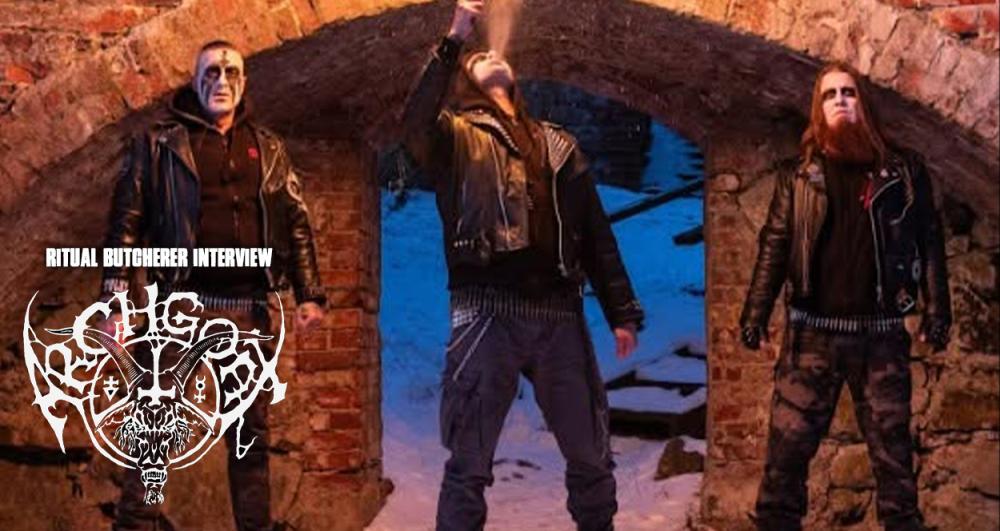
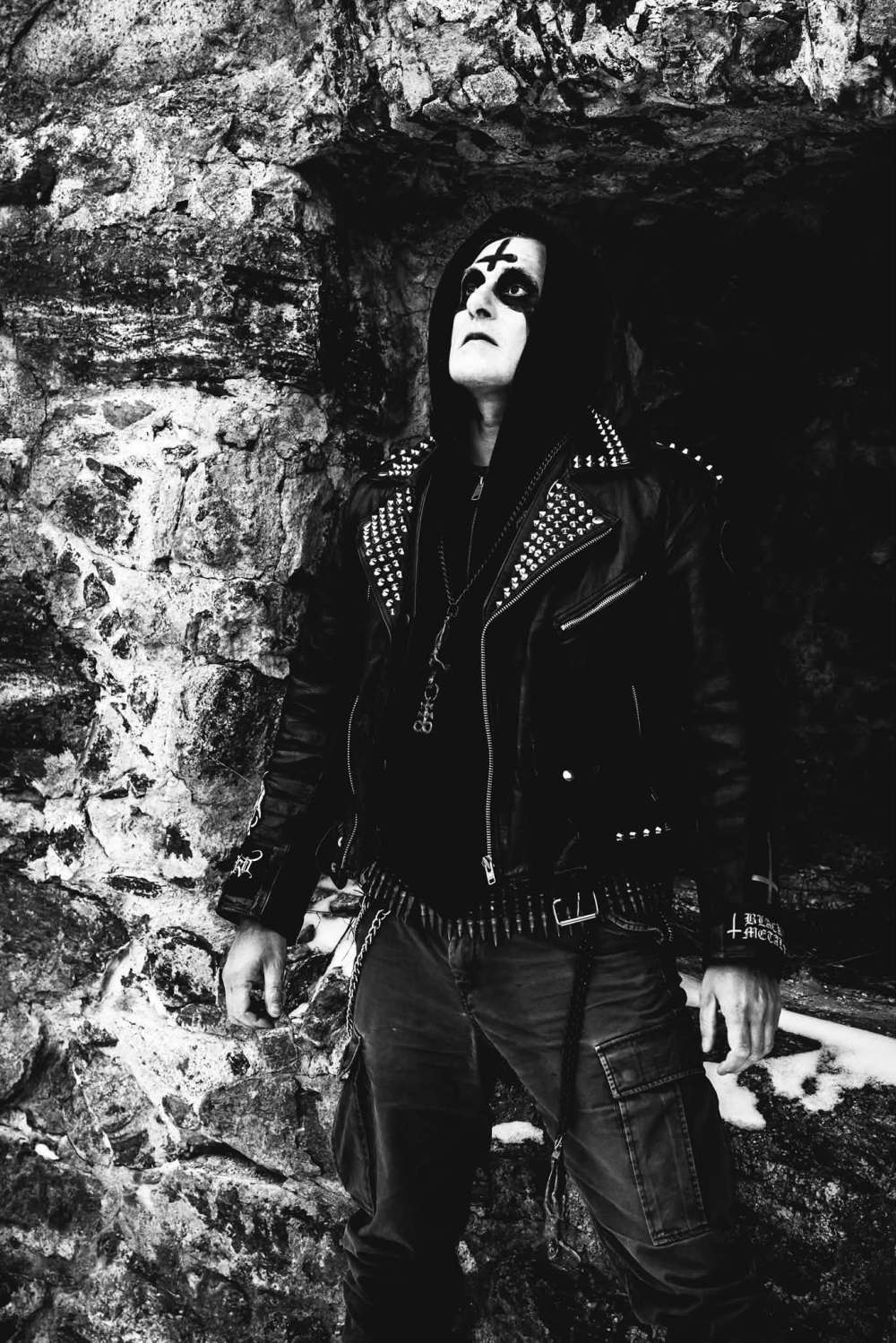
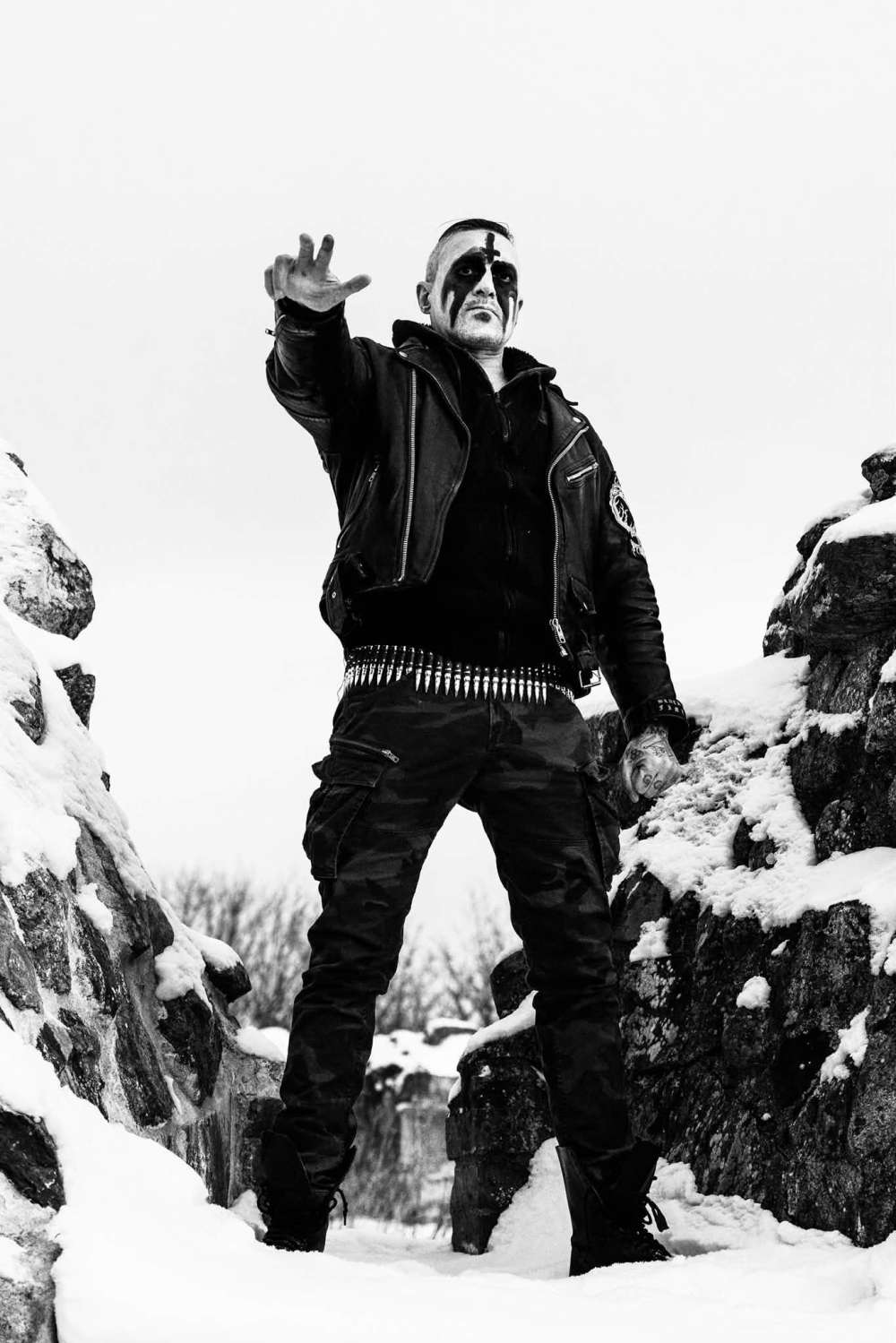
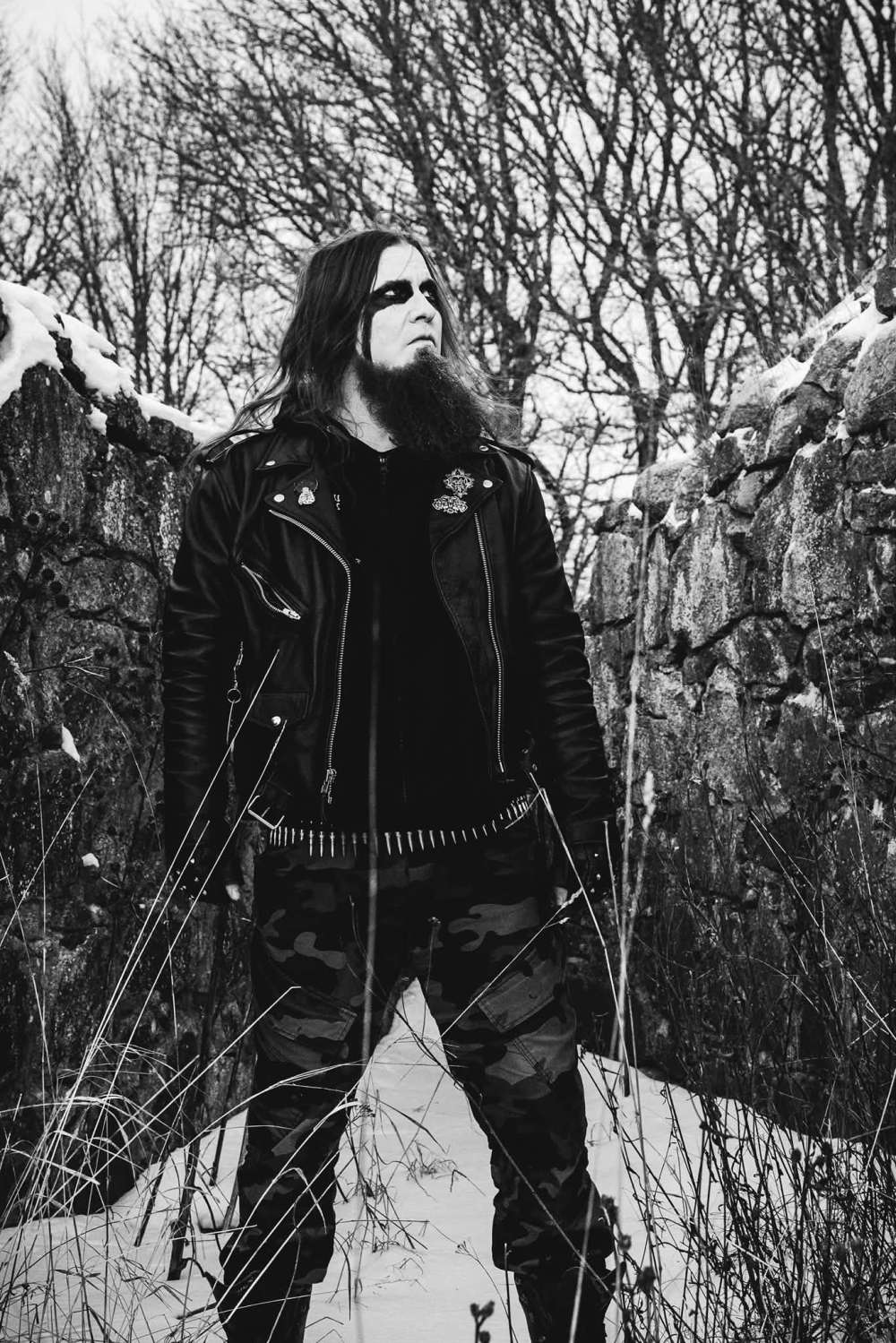
Archgoat is a long-standing band in the Finnish Black/Death Metal scene; formed in 1989—a time when the Finnish Death Metal sound was still taking shape—they initially released only demos (up to 1991) and an EP (around 1993). While those early releases may have lacked certain elements, they already showcased a raw, dry, and dark aesthetic that blended the primitive nature of Black Metal with Death Metal. After nearly two decades, the band released their debut album in 2006—a record that instantly became a staple in many collections—propelling them to legendary or even mythic status among collectors. Now, we have their sixth studio album, “Nightbringer, Lightbringer”, released via Debemur Morti Productions.
Para leer la entrevista en español: Entrevista a Archgoat
Metallerium: Hello and welcome to Metallerium.com! Thank you for taking the time to talk with us today. We are grateful to talk about Archgoat and your fifth studio album “Nightbringer, Lightbringer”, along with many other topics related to your music. It’s been five years since your last release, so we’d love to hear how you and the band are doing now that the new album is out. First of all, how are you feeling now that “Nightbringer, Lightbringer” is out? After five years since your last album, because All Christianity Ends was an EP, how is the band doing with this new release?
Archgoat: There is always a certain feeling of completion when you can finally close the books on something. Once it is done, it is done. Then we turn our eyes to what comes next. Right now, we are simply itching to get back on stage. It has been ten months since we last played live, and in two weeks we will finally return to the stage, bringing the new songs into the set alongside the old ones. The feeling is good. We are ready to unleash them live.
Metallerium: Archgoat has always been a solid bastion for raw, putrid, and single-minded bestial metal. However, on 'Nightbringer, Lightbringer', there is a slightly less dank and more defined production that lets every instrument breathe a bit more. Was this clean-yet-destructive balance an intentional move during the recording at Malmi Dungeon, or did it happen naturally during the engineering process with Teemu Velin?
Archgoat: What is composed should be audible. There is no greater philosophy behind it. The time we had allowed us to carve out the details further than we have done before, and I hope that can be heard on the new album. But in the end, these new elements are minor things. The flesh and bones of the songs are still carved from the same raw, dark matter as everything we have done before. Production-wise, it helps enormously to have a sound engineer who already understands what we expect from the album. With Teemu, this was evident from the very beginning. Even during the recordings, he was already making adjustments towards the final sound. The sound was being forged while the songs were being recorded.
Metallerium: The title 'Nightbringer, Lightbringer' carries a heavy luciferian and adversarial dualism. While 'Nightbringer' invokes the total darkness and horror of ancient evil, 'Lightbringer' represents the dangerous illumination of the occult. How does this contrast reflect on the lyrics of tracks like 'Obsidian Reflection of Anti-Light' compared to your classic, pure anti-christian anthems?
Archgoat: All our albums ultimately embrace the same themes: Satanism, anti-Christianity and blasphemous hatred towards the religion of the weak-minded. The focus, however, shifts from one album to another. Your interpretation of what a Nightbringer or a Lightbringer represents may be very different from what I had in mind when writing it, but that is not negative at all. I prefer to write the lyrics so that they remain open to interpretation. They should not dictate one single meaning or tell the listener exactly what to think. It is about the freedom of the mind from heavenly oppression. I can hear similarities, for example, between “The Light of Phosphorus” and “Blessed in the Light of Lucifer” and the themes of The Obsidian Reflection of Anti-Light. There are connections there, but I don't see the need to explain them away or define them for the listener. They are part of the same darkness, viewed from same yet different angles.
Metallerium: While your core sound remains heavily rooted in first-wave black metal, punk hostility, and grindcore, 'Nightbringer, Lightbringer' features mind-altering atmospherics and cryptic synth embellishments. How do you manage to integrate keyboards and these eerie layers without losing even a fraction of the raw, violent power that fans expect from Archgoat?
Archgoat: Its building from ground upwards – first the main instruments and after that comes arrangement of the vocals and when these elements are in their righteous places the focus goes to see if the song needs more elements to underline its message further. This is something we have done similarly from day one but obviously the years have brought us more experience of composing and what works or doesn’t. But the main principle is to understand that you must have a solid foundation and balance before you start this “decoration process” or otherwise the whole creation crumbles as you build layer upon layer on it.
Metallerium: Coinciding with this release, your legendary 2006 debut album 'Whore of Bethlehem' is receiving a 20-year anniversary repress. Looking back from that landmark record to 'Nightbringer, Lightbringer', how do you perceive your own legacy? Do you think the essence of true Finnish black metal has mutated over these two decades, or has Archgoat successfully frozen time?
Archgoat: I really do not feel like an ambassador of Finnish black metal, or any black metal in that sense. It has been evident that the scene, black metal music itself and the needs to play this music have been in ever changing trend orientated flow when on the other hand with Archgoat we have been steady like a rock at the bottom of this stream ignoring the changes in its flow and focusing on our work instead of hugging the while wretched scene. “Whore of Bethlehem” was our statement upon our return that we are back and don’t follow the trends of where this scene is going.
Metallerium: Once again, the cover artwork was crafted by the legendary Chris Moyen / Thorncross Design. At this point in your 37-year history, his art style feels completely inseparable from your music. When you give him the instructions for a new album art, do you provide full conceptual lyrics, or do you just let his visual blasphemy flow after hearing the raw tracks?
Archgoat: I am happy to be privileged to work with such a talented artist, whose pen draws parallel lines to our music and our lyrical themes. I tend to share the track list of a release if possible and if not the complete s simple draft of the elements we would like to have in our cover art. Chris is such a professional person that he knows what to add to the art outside of our concept and thus even further honing the connection of art and the music together. I think most of the time the cover art is coming side by side with the lyrics so I would say that most of the time the track names are not complete by the time he starts his work.
Metallerium: Through almost four decades, Archgoat has defended an unyielding, rigid sonic template. Some purists worship this as absolute loyalty, while critical detractors sometimes argue that after so many releases, the formula risks becoming predictable or safe. With ‘Nightbringer, Lightbringer’, how do you challenge your own songwriting? Is there an internal fear of ever repeating yourselves, or is predictability actually the main goal when keeping the ancient flame alive?
Archgoat: But seriously, it is always the same discussion: “you are not allowed to change” versus “you should always change.” We hear both sides all the time. We have simply decided to follow our own call rather than listen to what people tell us we should do. It is a very simple cure. Whatever you do, there will always be people who support you and people who throw stones at you. That comes with the territory. With the latest album, we deliberately stepped outside our usual comfort zone and took a new direction, bringing in new elements to challenge ourselves and break some of the boundaries we had "created" for ourselves over the years. But this is nothing new for us. Every album has brought something different. New elements are introduced, while the foundation remains intact. I don't see repetition as a problem when it is not simply copy-paste, but something done consciously and with a purpose behind it. You can return to the same ground without making the same record twice.
Metallerium: You recorded 'Nightbringer, Lightbringer' in early 2026 at Malmi Dungeon with Teemu Velin. Even though your music sounds primordial, modern studios heavily rely on digital tools, precise editing, and crystal-clear monitors. How do you balance your anti-commercial, raw 1989 ethos with the high-tech convenience of modern studio engineering? Do you ever feel that using 21st-century studio precision takes away a layer of that unpredictable, accidental filth that defined early 90s black metal tape recordings?
Archgoat: The last time we recorded in a proper studio was in 1993. Everything after that has been recorded in our rehearsal places. Since my relocation to Germany, we have been recording at True Black Dawn's rehearsal place in Helsinki. The technology we use is really not that far from the recording equipment of the 90s. You put the microphones in front of the drums and amps, press record and start playing. It doesn't need to be more complicated than that. I have no interest in going back to a real studio. I hate recording, and I am only “comfortable” with the team we have worked with since 2011. We know how we work and what we want. Of course, this is still light years away from the first rehearsal recordings we made in a garage with a cassette deck under a blanket. Compared to those days, we have come quite a long way — while keeping the same basic approach.
Metallerium: Archgoat initially disbanded in the 90s because you loathed the over-commercialized state of the black metal scene. Today, you are signed to a highly respected and visible label like Debemur Morti Productions, and you frequently headline prominent international festivals. Now that you are widely celebrated and part of the stable underground economy, do you feel you have successfully changed the system from within, or has the scene learned to commodify even the most extreme and uncompromising bands like you?
Archgoat: I don't believe in any “black metal brotherhood”, and I have no interest in where this scene is heading — whether it ends up against a wall or in some garden of Eden. We concentrate on our work, and our work alone. I don't see us as the factor that has changed. It is the surroundings that have changed. I have my own kind of tunnel vision, and I am quite happy to keep it that way. Perhaps after decades of hard work, blood and sweat, we have earned our place in the sun. But there are no free meals in this world. Whatever has been built has been built through work. At the same time, I would like to think that we have led by example in showing that you do not have to compromise your art or your opinions to reach a certain level. If anything, perhaps that has helped keep the flame of old-school black metal burning.
Metallerium: Your music demands a staggering amount of physical aggression, and tracks on the new album like 'The Dawn to Armageddon' or 'Reaper of Christianity' require raw, relentless energy. As the years go by and you naturally age, how does your relationship with this violent music change? Is it harder to channel the exact same pure, adolescent hatred from 1989 today, or has time turned that chaotic youth energy into a much more calculated, cold, and dangerous weapon?
Archgoat: I don't think the aggression has changed at all. What you see on stage may be different from what you saw from us 37 years ago, but the fire itself has not weakened. Of course, time takes its toll. We are not 18 anymore, and some of the things we did on stage back then are simply no longer relevant. But that is only the physical shell of it. The aggression comes from somewhere deeper than that. We did not form this band to stand on a stage and look good. Playing live was one of the reasons Archgoat existed in the first place. That hunger has never left us. As long as that fire is there, there is a reason for us to step onto the stage.
Metallerium: With the massive distribution of 'Nightbringer, Lightbringer', your music is reaching a new generation of listeners who consume black metal via streaming playlists, TikTok, and social media. Some older fans hate this accessibility, believing that this art should remain hidden and elitist. Do you think black metal loses its dark magic when it becomes easily accessible to anyone with an internet connection, or do you simply not care who listens as long as the blasphemy is delivered?
Archgoat: First of all, I hate the term “elitist”. These are typically the self-proclaimed “scene messiahs” — often guys younger than Archgoat who somehow think they are in a position to set the pace and define the boundaries of the genre. Maybe that is one of the reasons this genre has become so weak. I don't particularly like how open and accessible the scene has become, but there is nothing I can really do about it. I am all about people actually supporting bands, as I do myself, by buying their releases in physical format. At the same time, I understand the financial side of it. The scene is so saturated with millions of releases nowadays that I can understand why people want to listen first, usually through streaming or some other internet-based source, before putting their hard-earned money into a physical release. But for me, supporting the bands you actually believe in still means buying the music. That is where the real support is.
Metallerium: Archgoat is deeply worshiped as a cult band in Latin America due to your visceral, non-commercial approach to metal. To close this interview, what are your thoughts on the underground response from this side of the world, and what message do you have for the readers of Metallerium?
Archgoat: South America has always had a very special place in my heart. Since the very beginning, we have been influenced by the first wave of bands coming from South America, and that tiny seed has grown into an integrated part of our own music. There is no denying that. Sarcofago and Sepultura are, for me, among the best bands ever to walk the earth. Last year, when we had two opportunities to play with Gerard Incubus performing Sarcofago songs, it was something very special to me. The passion people have for metal in South America is something you very rarely see anywhere else. For us, the opportunity to play there has always been among the most wanted things we can imagine. There is something very deep and genuine in the connection between South America and this music. For me, that has been there since the beginning, and it has never disappeared.


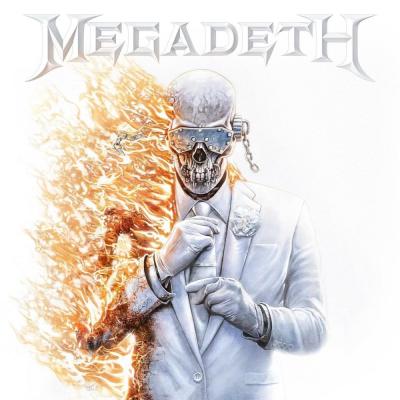 Megadeth - Megadeth - 2026
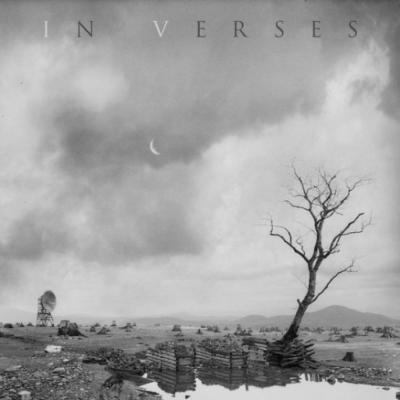 Karnivool - In Verses - 2026
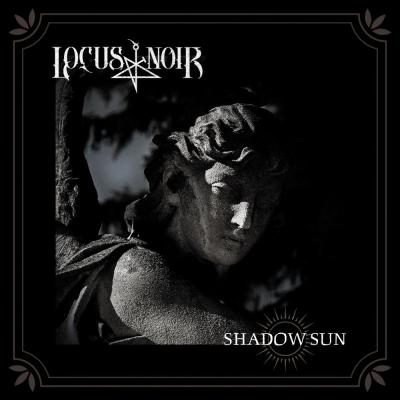 Locus Noir - Shadow Sun - 2026
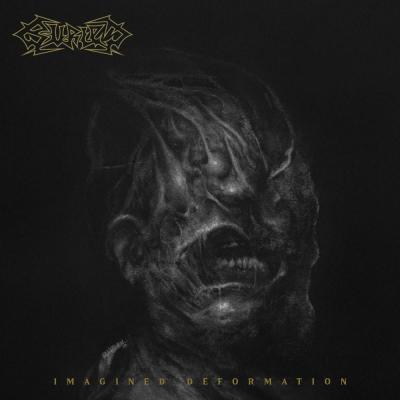 Buried - Imagined Deformation - 2026
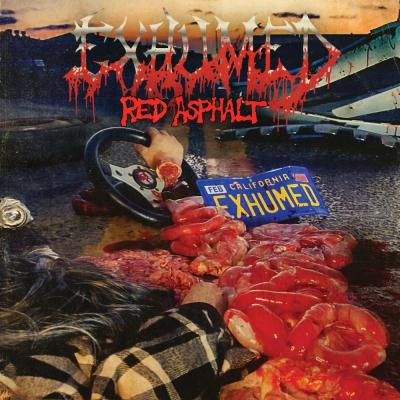 Exhumed - Red Asphalt - 2026
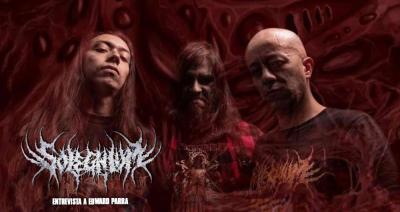 Entrevista a Solegnium (Edward Parra)
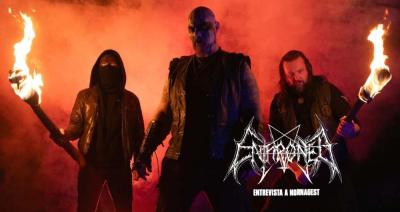 Entrevista a Enthroned (Nornagest)
 Entrevista a Sun of the Dying (Daniel y Roberto)
 Entrevista a Putrid (Miguel Ángel Beraun)
 Entrevista a Phobocosm (Samuel Dufour)
 Bandas Suecas que cambiaron las reglas del juego en el Metal mundial
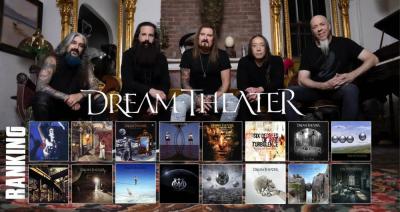 Ranking de lo peor a mejor de Dream Theater
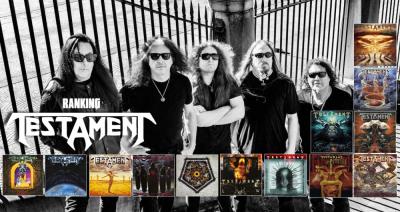 Ranking de lo peor a mejor de Testament
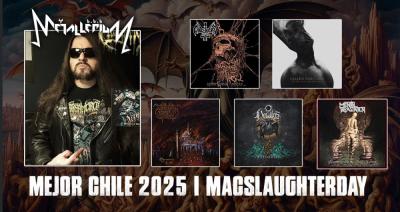 Lo mejor de Chile 2025 (Macslaughterday)
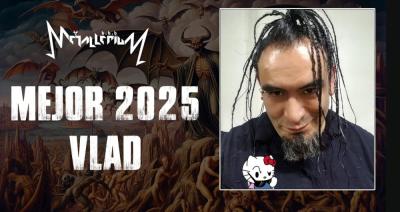 Lo mejor del 2025 (Vlad)
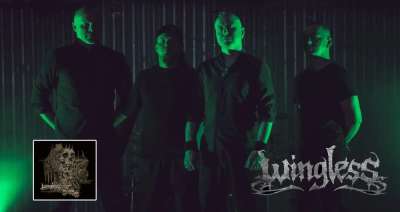 Wingless presentan nuevo sencillo Crossing the Abyss de nuevo álbum Vision Beyond Form
 Sercifer
 22.09.2026
  36
36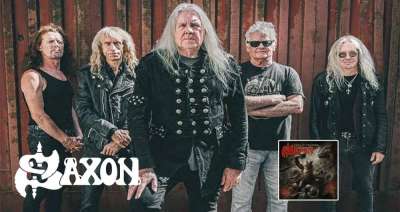 Saxon presentan sencillo principal de nuevo álbum Gods of ThunderSercifer 22.09.2026 43
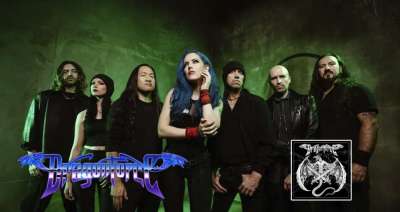 Dragonforce presentan nuevo sencillo Hunger of the Beast de nuevo álbum homónimoSercifer 22.09.2026 35
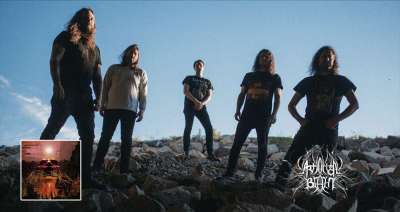 Artificial Brain presentan nuevo sencillo Quantum Malignancies de nuevo álbum AntilliaSercifer 22.09.2026 39
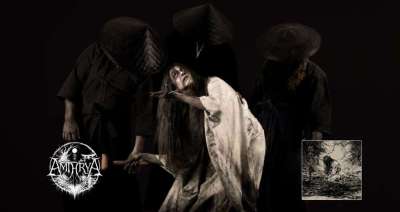 Amthrya presentan nuevo sencillo Shudan Borei de nuevo álbum OnnenSercifer 21.09.2026 72
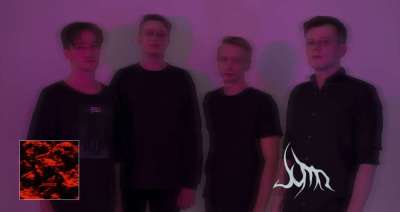 Somn presentan nuevo sencillo The Loyal Hand de nuevo álbum ConsecrationSercifer 21.09.2026 71
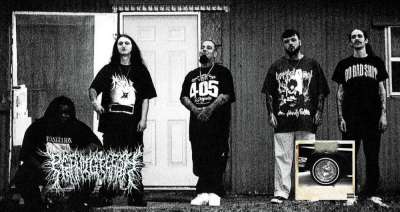 Peeling Flesh presentan nuevo sencillo Murderous Intent de nuevo álbum homónimoSercifer 21.09.2026 81
 U.D.O. presentan nuevo sencillo I'll Die Trying de nuevo álbum Voodoo RangerSercifer 21.09.2026 66
 Fused
Fused Zeratulstra 09.09.2026 206
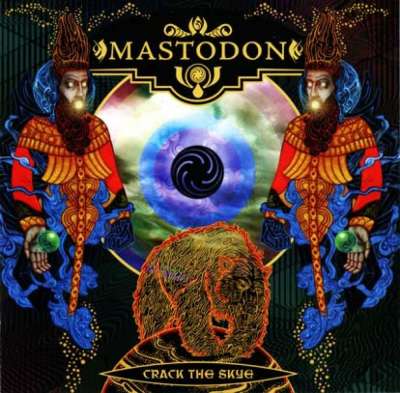 Crack the SkySercifer 07.09.2026 225
 A Social GraceSercifer 07.09.2026 259
 The Magnificent Rebirth Of A Mighty Old EmpireSercifer 07.09.2026 257
 The Puppet MasterGocho 12.08.2026 585