Sercifer
  21.05.2026
  678
678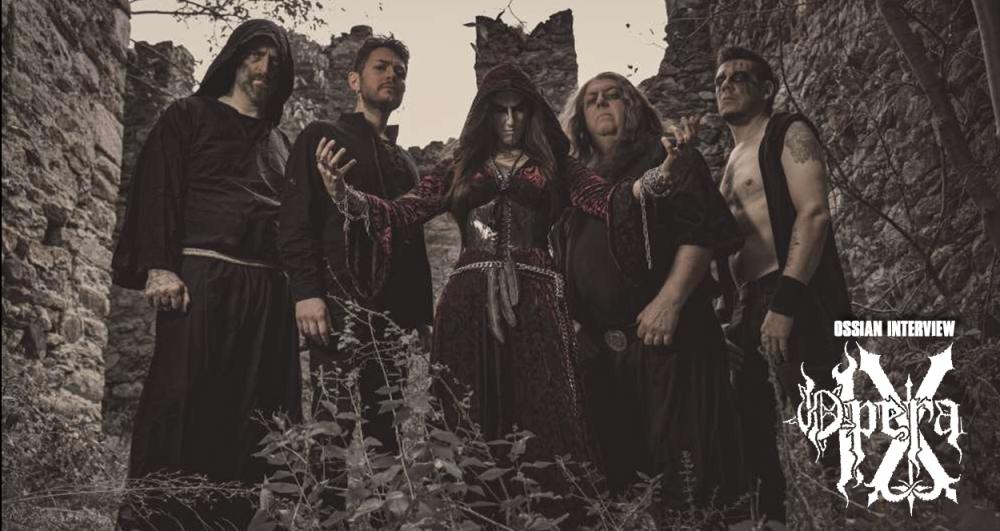
Opera IX, along with Mortuary Drape, are Italian bands considered cult classics and part of the first wave of extreme metal since the 80s. Both bands always sought different things and ideas from many other bands in the world, but curiously, they never reached the level of being considered mainstream within the vast metal scene we have today. Therefore, we now focus on Opera IX, a band that somehow managed to contribute its own piece to Symphonic Black Metal at some point in history. Cadaveria was even a reference point in many parts of the world as a gothic band, and Opera IX became associated with that style due to having a female vocalist from their first album, "The Call of the Wood" (1994). Back then, it didn't matter if the vocalist was male or female, only that the music was good and noteworthy, unlike today where the music can be bad but gains popularity simply because it has a female vocalist. Aside from that, we now have their new album, "Veneficium” released through Edged Circle Productions.
Para leer la entrevista en español: Entrevista a Opera IX
Metallerium: Hello and welcome to Metallerium.com! Thank you for taking the time to talk with us today. We are grateful to talk about Opera IX and your new studio album “Veneficium”, along with many other topics related to your music. We start saying how are you doing today? And how was the band during the last years, because “The Gospel” was released on 2018? Because “Back to Sepulcro MMXXV” were re-recorded old songs.
Opera IX: Let’s start with Back to Sepulcro MMXXV. Our label originally planned to reissue the album at the end of 2024, but I chose to re-record it from the ground up instead. Since the first edition in 2015, the lineup had undergone a complete overhaul; I’m the only original member left, so a fresh recording felt necessary. Following The Gospel, we released Samonios, a project entirely dedicated to the darker half of the 'Wheel of the Year.' In addition to classic covers that reflect our rock and metal influences, we included a new original single, Funereal Mist, for which we also produced a music video. We’ve been anything but idle, especially considering our various tours and live dates. That said, our philosophy is simple: we don't feel the need to release music with 'medical' regularity. We only speak when we truly have something to say
Metallerium: You have described Veneficium as a "botanical dominion" mastered by the wisdom of women. How did you research the specific poisons and herbs that influenced the lyrics and atmosphere of this record?
Opera IX: Last May saw the release of my latest publication, Veneficium, which served as the lyrical foundation for Dipsas' work. As an esoteric researcher, I balance my time between writing educational texts and managing my own esoteric shop. This project is the culmination of years of research into Renaissance texts and herbal grimoires—ranging from Giambattista della Porta’s Magia Naturalis to Pliny’s Historia Naturalis. Specializing in folklore and natural magic, I collaborated with a professional herbalist to reinterpret ancient ointment recipes for the modern era, some of which have been rigorously tested, while others remains purely theoretical. Veneficium is the convergence of two words: Venefica and Maleficium. The venefica is, quite literally, the poisoner; yet, the root of the word traces back to Venus—a planet of dual nature, appearing as both the radiant Morning Star and the shadowed Evening Star. This duality perfectly mirrors the essence of toxic plants, which possess the power to either heal or herald death. It is only fitting that women have historically held dominion over this art, guided by the influence of Venus, the goddess of beauty and perfection. In astrology and ancient esotericism, it was observed that the orbital path of Venus, as seen from Earth, traces a near-perfect pentagram (or a five-petaled rose) every eight years. This phenomenon, known as the Pentagram of Venus, has long been cited as celestial proof of the cosmos's mathematical perfection. Yet, a fascinating irony remains: while the name evokes grace and peace, the physical reality of the planet is anything but welcoming. If the Goddess embodies aesthetic perfection, the planet represents a literal atmospheric "hell," with temperatures soaring around 460°C.
Metallerium: The album mentions historical and legendary figures like Canidia, Martina, and Locusta. What drew you to these specific women, and how do their stories weave into the album's larger narrative of necromancy?
Opera IX:All three are deeply intriguing and fascinating figures who, beyond necromancy, specialized in the art of poisons. Locusta earned her living running a potion shop on Rome’s Palatine Hill; of Gallic origin, she was brought to the capital at a young age. Martina is the most sinister of the trio, having orchestrated the death of Germanicus—the celebrated general who led the legions into Germania to recover the eagles lost by Varus in the disastrous Battle of the Teutoburg Forest. Driven by the perennial thirst for political power, he was slowly poisoned with hemlock-infused honey while simultaneously being cursed through the infamous defixiones (curse tablets), which were discovered buried alongside human remains beneath his floorboards. Finally, there is Canidia, a recurring figure in the works of Horace, depicted as an expert in both necromancy and love philters. Horace paints a macabre picture of her: clawing at the earth with her bare hands to summon spirits or scavenging for bones in the graveyards of the poor
Metallerium: You’ve called the album a pilgrimage through a labyrinth of dark arts. Is there a linear story being told across the tracks, or are they individual "spells" or "invocations"?
Opera IX: Consider this a more artistic version of my book. The spells and recipes within are exclusive to this edition... try them at your own risk.
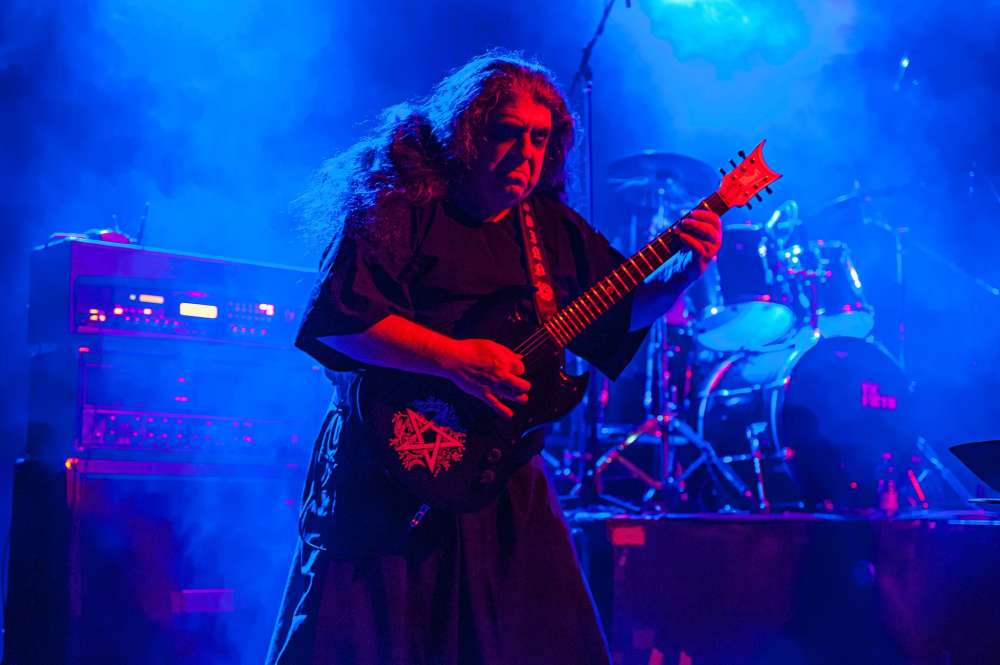
Metallerium: Ossian, you mentioned that you intentionally stripped the guitars of any polish to achieve a "Sabbath-driven dissonance". Why was it important for this album to sound rawer and more ritualistic than your previous work?
Opera IX:Why I embrace the philosophy of involution over evolution. Some legacy bands obsess over production and arrangements with the meticulousness of pop stars. To me, that isn't Black Metal. My approach remains raw, instinctive, and entirely natural
Metallerium: The track "Saltatio Corvi" features Patrice Roques on the nyckelharpa (hurdy-gurdy). How does this ancient instrument help transport the listener back to the "primal past" you are trying to evoke?
Opera IX:It is a nyckelharpa. I believe the slightly dissonant sound speaks for itself. I have known Patrice for years and we are on excellent terms; besides being a musician, he has a remarkable predisposition for ancient and witchy sounds.
Metallerium: Veneficium was forged across four different locations—Elfo Studios, ADSR Decibel Studio, Occultum Studio, and Daemon Star Studio. How did moving between these distinct ritual spaces affect the different layers of the album, from the low-frequency "lows" to the vocal invocations?
Opera IX:Due to our specific technical requirements, our producer, Algol, typically tracks the drums at Elfo Studio before completing the rest of the production at his own studio, Daemon Star. ADSR was used exclusively for recording the bass, while Occultum is my personal home studio—where we previously recorded both Strix and Back to Sepulcro. Since I’m no longer a kid, I prioritize a calm environment and the right atmosphere; I can’t stand the stress or the rigid hourly constraints of traditional commercial studios
Metallerium: You worked with Algol Comerio (Forgotten Tomb, Hiems) for production and mixing. What did his specific background in melancholic and extreme metal bring to the "Sabbath-driven dissonance" you were seeking for this record?
Opera IX:Algol isn't just a great producer; he’s a dedicated friend who puts his heart and soul into his craft. Having been given carte blanche on this project, he truly delivered—the production sounds killer, and Stian at Edged Circle is beyond stoked.
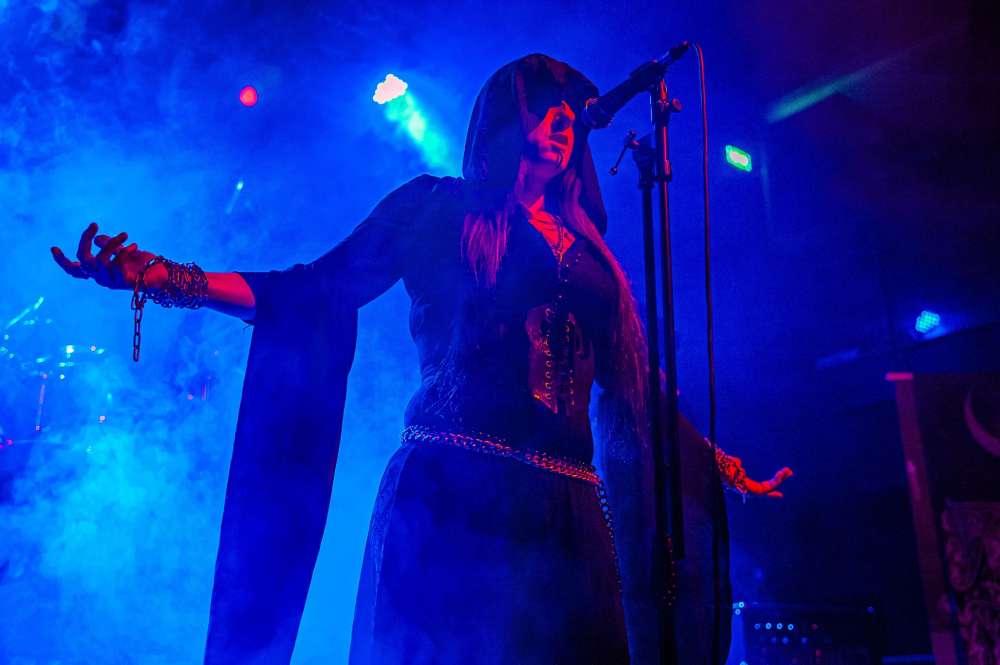
Metallerium: Beyond her vocals, Dipsas is credited with the lyrics and graphics for Veneficium. How does her visual art style—which focuses on the "essence of sorcery"—correlate with the stories of the historical witches mentioned in the tracks?
Opera IX:Yes, she is also a highly talented graphic artist who perfectly captures the band’s essence. Living in Rome, she draws deep inspiration from her surroundings; after all, the story of the three witches is set right there, in Ancient Rome. Dipsas also leads personal projects such as Mek Na Ver, an atmospheric black metal act where the lyrics consistently explore themes of witchcraft. It’s clear she isn't just 'wearing a mask' or putting on an act. She has a genuine artistic devotion to the genre, evident in the meticulous care she puts into both her persona and the entire visual and thematic world surrounding her work
Metallerium: "Gratidia" & "Veia": The album opens and closes with these shorter, evocative pieces. Are these intended as formal opening and closing rites for the "pilgrimage" that the listener undergoes during the record?
Opera IX: Far from being mere bookends, these tracks represent the theatrical soul of the record. With Veneficium, we moved beyond the cliché of a typical 'intro' or 'outro.' We wanted something visceral—a sonic threshold that draws the listener in and a final curtain call that leaves a lasting mark.
Metallerium: "Saturni Arcanum": This title suggests a connection to Saturnian magic or planetary occultism. How does this track differ from the more "botanical" and herbal themes of songs like "Hortus Sagae”?
Opera IX: Actually, that's not quite it. He continues the narrative of botanical poisons, specifically mentioning Belladonna—which, in my book, I have classified as a plant linked to Saturn, symbolizing death and dismemberment. Indeed, the most lethal plants, such as Hemlock and Hellebore, all fall under the Saturnine influence.
Metallerium: "Vocatio Mortuorum": This track explicitly deals with the "calling of the dead". Was there a specific necromantic ritual or historical text that inspired the structure of this particular composition?
Opera IX:Actually, there is an ancient text from the late seventeenth century with the same title, but it seems to be impossible to find. A forbidden book—I managed to get photographs of a few pages through a Venetian antiquarian and, from the little I could gather, it appears to be an extremely dark tome, suited for graveyard invocations
Metallerium: The album ends with a cover of the song "Black Sabbath". Rather than just a tribute, you’ve called it a "statement of lineage." How does Opera IX see its place in the 40-year evolution of occult heavy metal?
Opera IX:Exactly. It is both a statement of our legacy and a tribute to Ozzy’s passing. It might seem like an obvious choice, but who among us hasn't been shaped, in some way, by Black Sabbath? Naturally, the track has been entirely reimagined through the unique stylistic lens of Opera IX. I find it quite ironic: most bands start their journey by playing covers, yet here we are, approaching the later stages of our career and finally embracing them. Quite a twist, don't you think?
Metallerium: Dipsas joined in 2018 and has been described as the "new female soul" of the band. How has her presence and her art influenced the songwriting process for Veneficium compared to The Gospel?
Opera IX:Absolutely. She represents the new feminine soul of the band, deeply rooted in our origins. She isn’t just a 'worthy replacement' for Cadaveria; she is something else entirely—something more. History proves this: while the essence of Opera IX has remained steadfastly loyal to its themes and spirit, those who left the band chose a completely different path, far removed from our roots. Dipsas enjoyed a great deal of artistic freedom on Veneficium, whereas The Gospel had already been fully composed—lyrics included—by myself before her arrival.
Metallerium: You’ve recently categorized your history into "Eras" with the current period being Era IV. After eight years since your last studio full-length, what does Veneficium represent for this specific incarnation of the band?
Opera IX: I believe Veneficium marks the end of our fourth era; with our next work, we will transition into the 'Era of the Spirit.' In 2028, we will celebrate the band's 40th anniversary, and we are already beginning to envision how to mark such a milestone
Metallerium: You have an upcoming tour in Latin America and a headlining slot at the Insubrian Black Metal Fest. How do you plan to translate the "botanical" and "poisonous" themes of the new album into your stage rituals? And also, fans in these regions are known for their intense devotion to occult metal. Do you find that the "ritual" of an Opera IX show changes when performed for these specific audiences compared to European festivals?
Opera IX:Almost a year has passed since Insubrian. We truly can’t wait to return to Latin America; the crowds there are incredibly rewarding. They seem to experience music with a sense of devotion that feels like it’s faded a bit in Europe. I believe it’s all connected to their culture, the land, and the blood—those ancestral cults that still fuel their collective memory. It definitely changes things; it’s a genuine exchange of energy, not just a performance.
Metallerium: The term "Defixiones" refers to ancient curse tablets. Is this track intended to be a literal curse, and how did the recording process at Occultum Studio help capture that energy?
Opera IX: "The practice of Defixiones likely originated in Gallic culture before being adopted by the Romans. It is a fascinating tradition where an individual was cursed by invoking the intercession of an underworld deity—Hecate for the Romans, or Maponos for the Gauls. This track was born from a specific request by Dipsas, who was looking for a series of direct, primordial riffs. It was during the cold November nights in my studio that this idea finally took shape. Occultum studio is my sanctuary: a small “cavern” where, alongside my instruments, I gather and curate my collection of esoteric artifacts. Surrounded by these relics, my composition finds its deepest inspiration.
Metallerium: With nearly 40 years in the scene, you continue to revisit your roots, as seen with the 10th-anniversary re-recording of Back To Sepulcro. How does looking back at your origins help you "summon the essence of sorcery" for new material like Veneficium?
Opera IX:To be honest, I no longer dwell on the past; while I don't disown it, I would certainly change or avoid many decisions if I could go back. Ultimately, it is a matter of balance. It's impossible to view Opera IX solely through the lens of who we are today; one must consider nearly forty years of existence. Yet, I can assure you that our new work is inspired by a romanticized vision of the past, while always keeping our gaze fixed on the future—for the little time we have left to live
Metallerium: Finally, and thank you again for your time. Congratulations on “Veneficium”, and all the best with the new album, what would you like to add something to your fans in Latin America and the readers of Metallerium?
Opera IX:Thank you for your commitment and for the passion you bring to spreading this musical and artistic movement. We expect the energy, grit, and devotion that only Latin America can deliver.

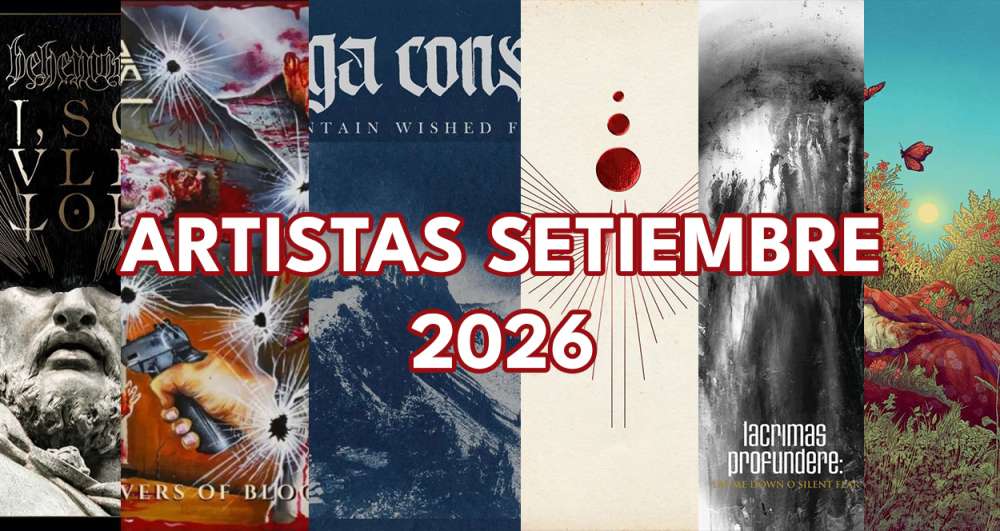

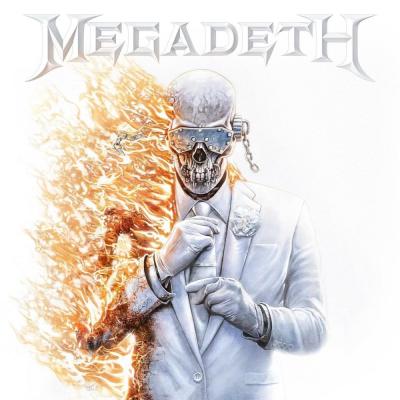 Megadeth - Megadeth - 2026
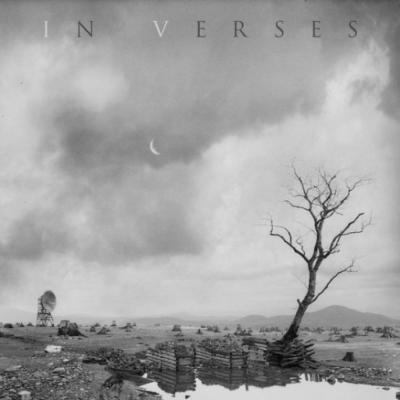 Karnivool - In Verses - 2026
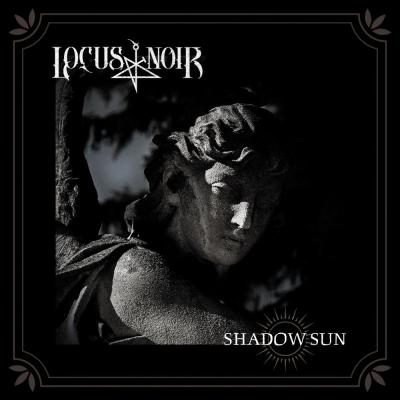 Locus Noir - Shadow Sun - 2026
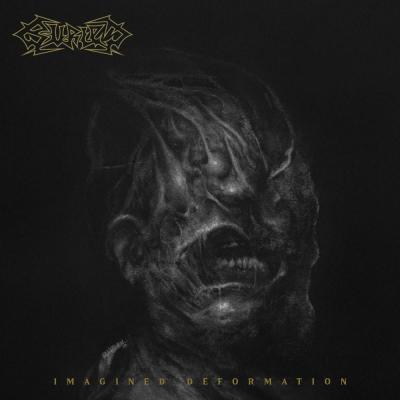 Buried - Imagined Deformation - 2026
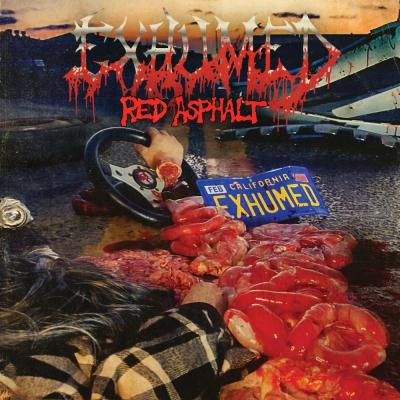 Exhumed - Red Asphalt - 2026
 Entrevista a Solegnium (Edward Parra)
 Entrevista a Enthroned (Nornagest)
 Entrevista a Sun of the Dying (Daniel y Roberto)
 Entrevista a Putrid (Miguel Ángel Beraun)
 Entrevista a Phobocosm (Samuel Dufour)
 Bandas Suecas que cambiaron las reglas del juego en el Metal mundial
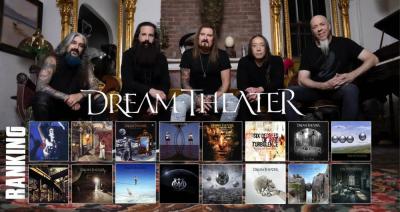 Ranking de lo peor a mejor de Dream Theater
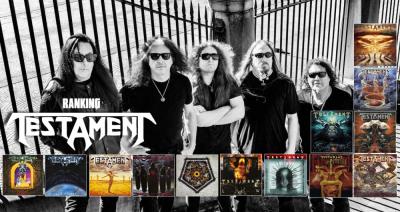 Ranking de lo peor a mejor de Testament
 Lo mejor de Chile 2025 (Macslaughterday)
 Lo mejor del 2025 (Vlad)
 Stormruler presentan nuevo sencillo In the Eye of Umbria de nuevo álbum Morning Nautical Twilight
 Sercifer
 02.10.2026
  57
57 Grave Digger presentan nuevo sencillo The Number de nuevo álbum Faces Of PainSercifer 02.10.2026 57
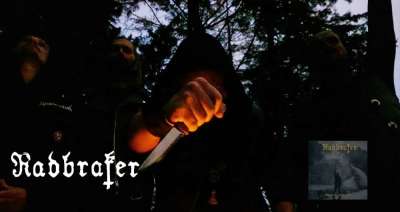 Radbraker presentan nuevo sencillo Danst, bok dans de nuevo álbum When the mist falls...Sercifer 02.10.2026 59
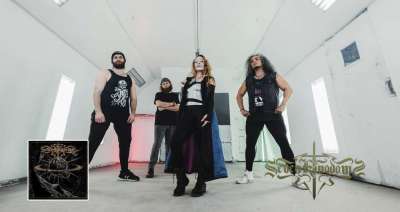 Seven Kingdoms presentan sencillo principal de nuevo álbum Sono SolaSercifer 02.10.2026 60
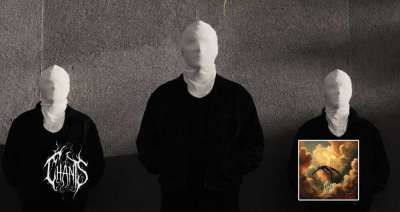 Chants presentan sencillo principal de nuevo álbum EchoesSercifer 01.10.2026 109
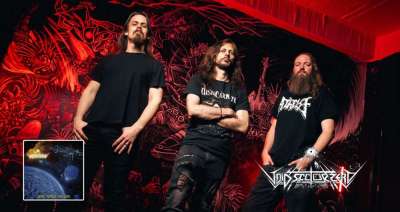 Void Sector Zero presentan nuevo sencillo Vortex Divinium de nuevo álbum Dead Space EnigmaSercifer 01.10.2026 91
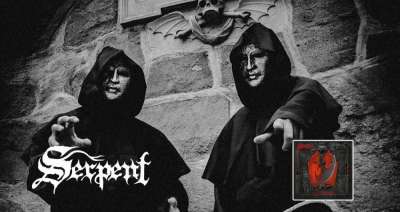 Serpent presentan nuevo sencillo Lightbringer de nuevo álbum The Pit and the Pendulum Sercifer 01.10.2026 101
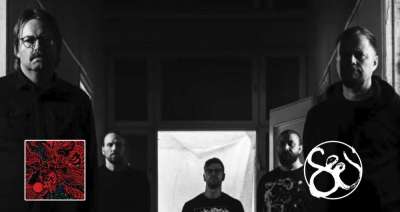 Sees presentan nuevo sencillo Tähden Varjo de nuevo álbum SuojaSercifer 01.10.2026 101
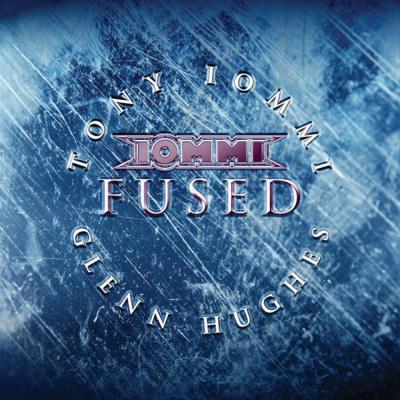 Fused
Fused Zeratulstra 09.09.2026 326
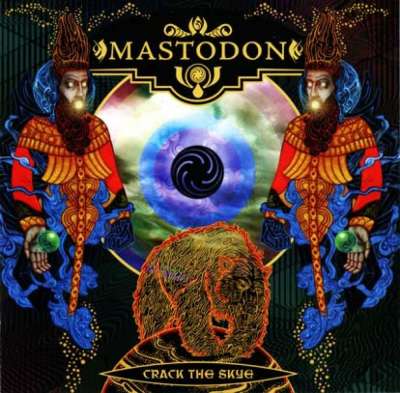 Crack the SkySercifer 07.09.2026 357
 A Social GraceSercifer 07.09.2026 380
 The Magnificent Rebirth Of A Mighty Old EmpireSercifer 07.09.2026 381
 The Puppet MasterGocho 12.08.2026 741