Sercifer
  14.07.2026
  468
468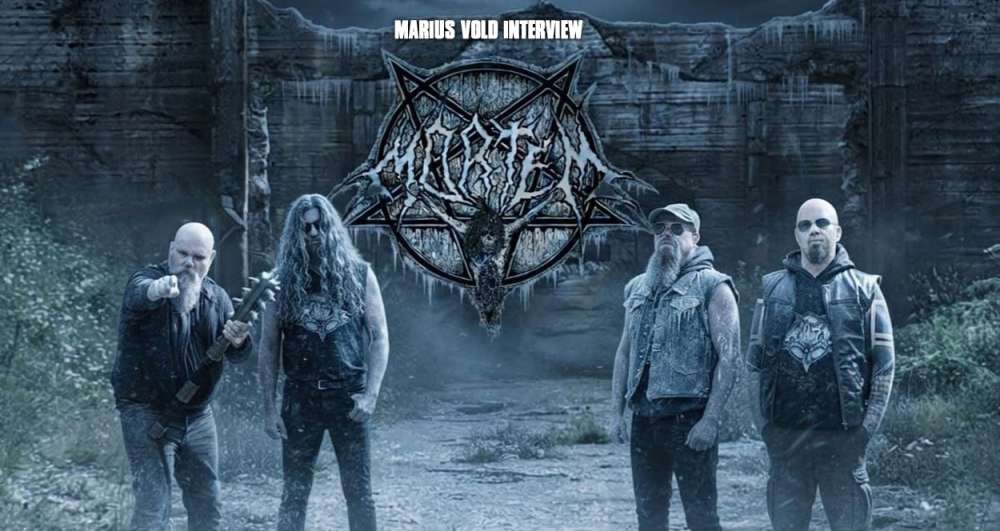
Mortem is a Norwegian band that formed in 1987. Initially a small group of friends and acquaintances, they were primarily focused on death metal. Their only release in 1989 never achieved widespread recognition or global popularity. Their 2018 announcements about the return of a legend were largely directed at their close circle of friends, rather than the wider audience they had reached. The name Mortem was more associated with the Peruvian band Mortem in Latin America at that time. This Norwegian band began in the extreme metal scene playing death metal, and for their 2019 comeback with their first album, "Ravnsvart," they decided to fully embrace black metal. Their second studio album, "Mørketid" was released through Peaceville Records.
Para leer la entrevista en español: Entrevista a Mortem
Metallerium: Hello and welcome to Metallerium.com! Thank you for taking the time to talk with us today. We are grateful to talk about Mortem and your second studio album Mørketid, along with many other topics related to your music. It’s been seven years since your last
release, so we’d love to hear how you and the band are doing now that the new album is out.
Mortem:
Thank you for inviting us. It's a pleasure to be here.
The biggest feeling right now is simply relief. Mørketid has been in the making for many years, so it's satisfying to finally let it leave the rehearsal room and become everyone else's problem. We've lived with these songs for such a long time that they almost stopped feeling new to us. Now they're finally out in the world, and that's a great feeling.
Metallerium: Many fans consider Mortem a cornerstone of Norwegian history, given your tight links to the genesis of black metal, Euronymous, and your legendary demo Slow Death. It is amazing how that old-school darkness still breathes inside your music today. How does it feel to carry that 1989 cult legacy into this brand-new era with Mørketid?
Mortem:
I actually think people spend far more time thinking about 1989 than we do.
We happened to be there when Norwegian black metal was beginning to take shape. That's a privilege, of course, but it isn't something you can compose with.
If Sverd kept looking back every time he sat down at a keyboard, we'd probably still be writing the Slow Death demo.
History is something you're given. New music is something you have to earn.
I'm grateful that people still care about what we did back then, but nostalgia has never been the reason for making another Mortem album. Every record should be able to stand on its own feet. If Mørketid only reminded people of 1989, I'd consider that a failure.
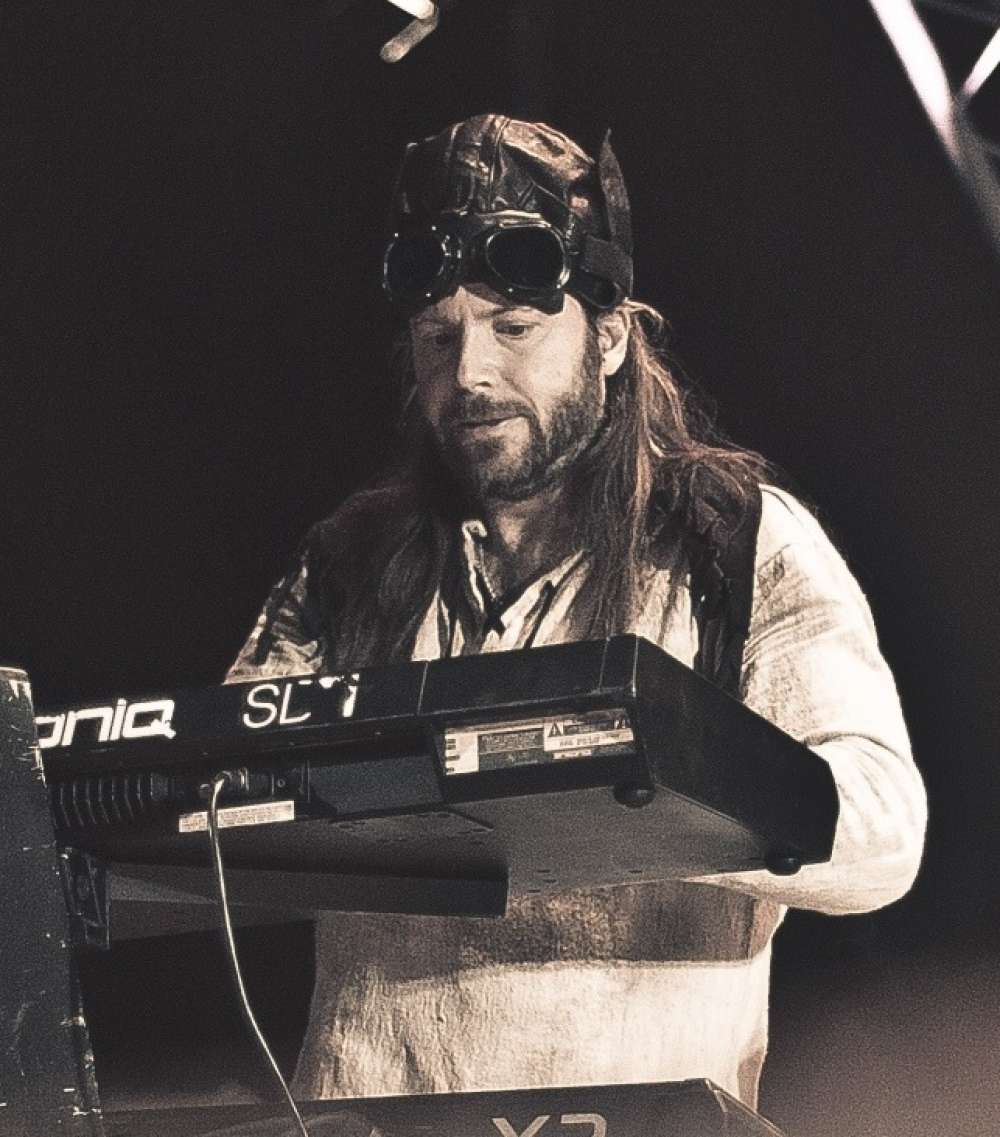
Metallerium: The specialized press and early reviews highlight that Mørketid is a massive leap forward from Ravnsvart. The balance between colossal, mid-paced riffs and explosive hyperspeed black metal creates a deeply cinematic and eerie atmosphere, heavily elevated by Sverd’s distinctive keyboards. Was this shift toward a more progressive and epic atmosphere a natural evolution in Toproom Studio, or did you specifically target a grander soundscape this time?
Mortem:
We never begin by saying, "This album is going to sound bigger," or "Let's make this one more progressive."
That's simply not how Sverd writes.
The songs evolve naturally. A riff appears in his head, and then it goes through a long process until it finds its proper place within the composition. Naturally he's influenced by everything a musician absorbs over the years—new music, new techniques, experience, and personal development. I think every serious songwriter evolves, whether they intend to or not.
Toproom Studio certainly deserves credit for the production, but Sverd deserves just as much credit for the overall sonic identity. We did make a few conscious decisions compared to Ravnsvart, particularly regarding the overall weight and clarity of the mix, and I think those choices gave Mørketid a much more powerful sound.
Metallerium: Listening to the single Skyggeånd, the synergy is devastating. Hellhammer’s unmistakable percussive power acts as the perfect backbone for Marius Vold’s fiercely vicious snarls, making the track feel incredibly wild yet structured. Given your deep individual histories in bands like Arcturus, Mayhem, and Thorns, how do you manage to switch your mindsets back into the unique collective entity that is Mortem?
Mortem:
First of all—Hellhammer is a phenomenal drummer.
People often assume he simply arrives, does his Hellhammer thing, and leaves. That's not really how Mortem works.
Sverd is the architect. Long before anyone starts recording, he already knows exactly what he wants every instrument to do. Hellhammer brings enormous experience and personality to the songs, but always within Sverd's framework.
Seideman and I have considerably more freedom, but I honestly don't think our other bands leave any obvious fingerprints on Mortem.
People love comparing Mortem to Arcturus because Sverd writes for both bands. I understand why—it makes for an easy headline.
But from Sverd's perspective they're completely different worlds.
Mortem riffs bite harder. They're darker, more aggressive and usually carry a distinctly malicious edge that simply wouldn't belong in Arcturus.
Now... does the occasional molecule escape from one half of Sverd's slightly schizophrenic brain into the other?
Probably.
He's only human.
I remember him telling me that some of his faster and more sinister ideas were once rejected during Arcturus rehearsals because they were considered too aggressive. The response was basically:
"If you want to write music like that... perhaps it's time to start Mortem again."
I suppose that's the shortest explanation of why the two bands still sound different.
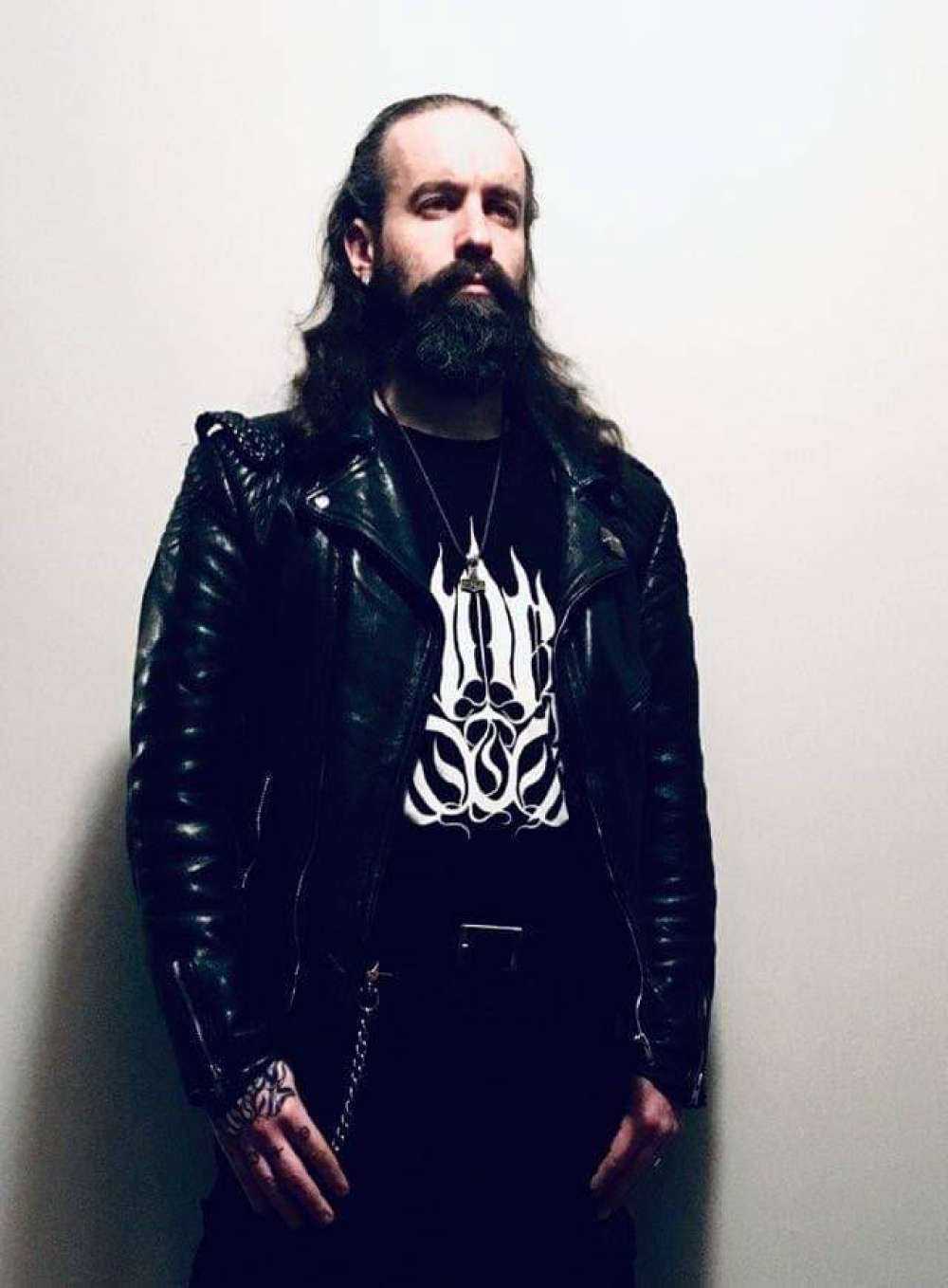
Metallerium: The album title Mørketid represents the polar night—a period of absolute, winter darkness. The cover art and overall presentation feel like a meticulous ode to bleakness, almost like an ancient grim ritual brought to life. Is Mørketid purely a celebration of Norway's natural winter cycles, or is it a metaphor for a darker, more spiritual state of mind that the world is going through right now?
Mortem:
Mørketid isn't really about Norwegian winters, although the title naturally points people in that direction.
For me, darkness is a much broader concept. It can be historical, psychological, philosophical or painfully contemporary. The album deals with difficult times—those humanity has already endured, those we're experiencing now, and perhaps those still waiting for us.
Three of my lyrics are set between the fourteenth and seventeenth centuries. They deal with war, the insignificance of the individual, and the way religions have often been used as instruments of power rather than compassion. Other songs take place in a dystopian future where humanity has exhausted every possibility except extinction. Others again deal with inner conflict, false gods, or the struggle to preserve one's own identity.
So no... this isn't an album about snow.
It's about darkness in all its different disguises.
And unfortunately, war seems to be the one constant throughout history.
Metallerium: When Mortem returned in 2019 after three decades of silence, and now with Mørketid releasing via Peaceville Records, some underground purists argued that reviving a 1989 demo band is just a move to capitalize on the global obsession with early Norwegian black metal nostalgia. How do you respond to critics who claim that Mortem today relies more on the legendary names of its members and past associations than on being a necessary, active band in the current scene?
Mortem:
"Necessary." That's an interesting word. Necessary to whom?
I honestly don't lose much sleep over criticism like that. If someone decided years ago that they don't like Mortem, I'm certainly not going to change their mind in an interview.
As for the musicians... they're simply the people who started the band. It wouldn't really be Mortem if somebody else had done it. And when we need additional musicians, we usually call our friends. That's hardly unique. They need to be great musicians first. If they also happen to have experience from touring and festivals, even better.
I'm not going to pretend a recognized name is a disadvantage. Of course it helps if people already know who you're inviting into the band. But we've also worked with musicians most people had never heard of. Fame has never been the qualification—ability has.
As for whether Mortem is necessary... Well, what band actually is?
Take away the fact that Peaceville wanted to reissue Slow Death. Sverd would still have been writing music. I'd still have wanted to sing. We probably would have started another band instead. It might have ended up with some ridiculous name like Cancergod, Pedophile Assassin or Myrkskrulldur... who knows?
So why not continue something that genuinely has a history and that people have actually asked to hear again?
Does the world need Mortem? Probably not.
Do we need to make music? Absolutely.
I think that's the more important question.
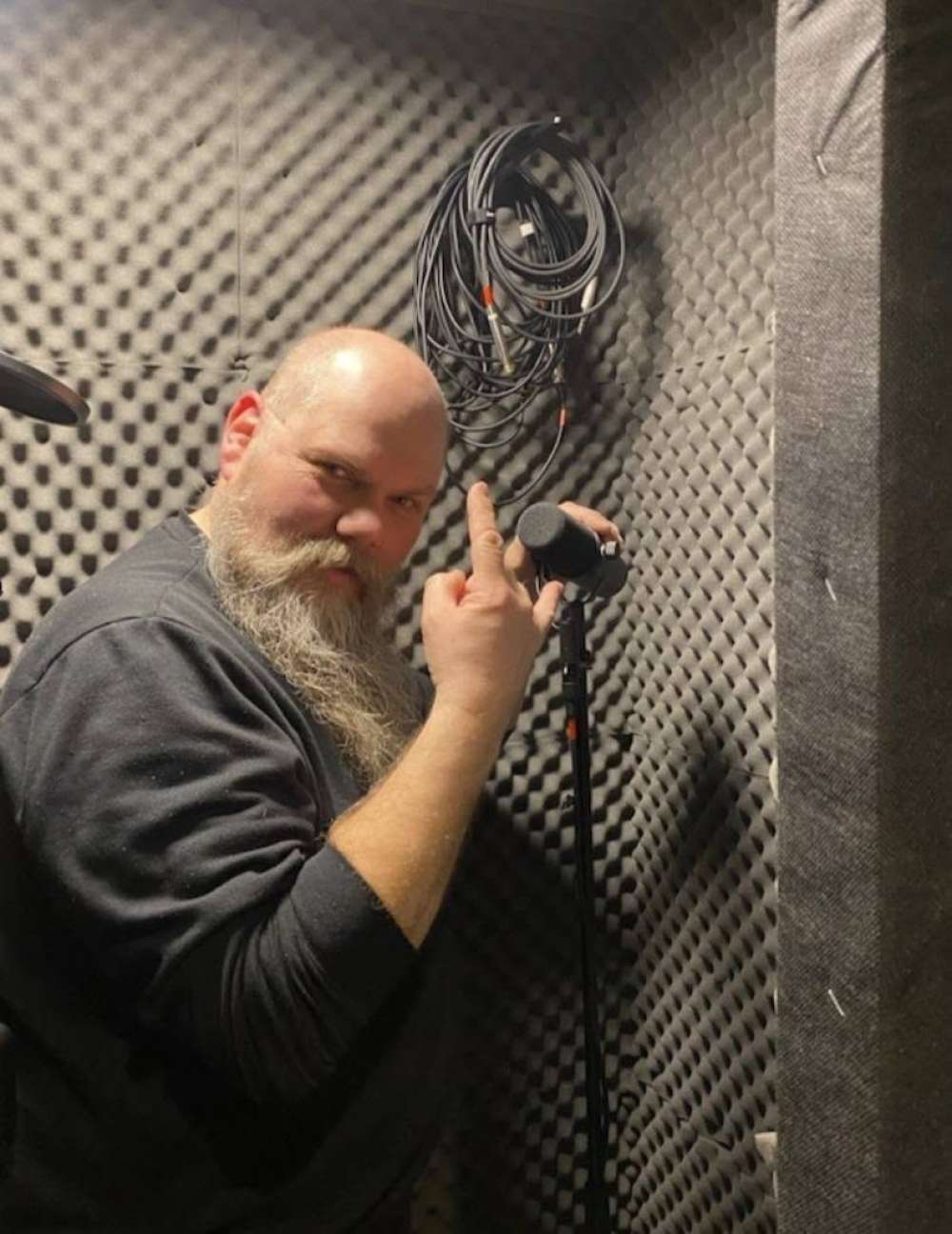
Metallerium: The production on Mørketid at Toproom Studio is incredibly massive, sharp, and modern. However, the early Norwegian scene built its global mythos on raw, low-fidelity, and unpolished audio tape-trading terrorism, exemplified by your own Slow Death demo. Do you feel that giving black/death metal such a clean, pristine sonic polish strips away the dangerous, unpredictable filth that originally made this music threatening to society?
Mortem:
Let's be honest...
Metal lost that battle years ago.
You can hear extreme metal in gyms, television commercials, sports broadcasts and probably while you're sitting in your dentist's waiting room.
The idea that society still finds this music frightening is... optimistic.
Of course, there's a small part of me that misses those days. I think every musician secretly enjoys the idea that what they're doing might upset somebody.
But times change.
A friend once overheard someone saying they preferred black metal when the production was so terrible you could barely hear the vocals through the guitars.
I always laugh at that.
It's a bit like saying,
"Beer tasted much better when it was muddy water."
Did it really?
Or are people simply nostalgic for being seventeen?
I've never understood why good songwriting somehow becomes less authentic just because you can actually hear it.
If someone genuinely misses terrible production, there's a very simple solution. Stick a screwdriver through your speakers.
The result is surprisingly convincing.
Meanwhile, we'll continue making records that sound the way we think they should sound.
Metallerium: Your history is forever tied to the inner circle—Euronymous produced your demo, Dead drew the art, and you hung out at the Helvete shop. Today, that tragic and violent era has been commodified into Hollywood movies, true-crime podcasts, and mainstream tourist spots in Oslo. As people who actually lived through those intense years, does it annoy you how the black metal inner circle has been romanticized and turned into a commercial pop-culture trend, or do you accept it as a natural survival mechanism for the genre?
Mortem:
Every now and then, eighteen-year-old Marius reappears and shakes his head at what it has all become.
Then the fifty-something version reminds him that it's actually quite flattering that people still care so much about something we were part of more than thirty-five years ago.
As for Lord of Chaos, I thought it was entertaining enough—but it wasn't our reality. Like any Hollywood film, it needed heroes, villains and a tidy storyline. Real life was considerably more complicated.
One thing people often misunderstand is just how closed that environment actually was. Once you were accepted into the inner circle, you were expected to stay there. Walking away wasn't always viewed kindly, and loyalty carried a very different meaning than it does today.
I understand why people are fascinated by that period. It was unique, chaotic and, in many ways, impossible to recreate.
If visiting Neseblod Record Store gives people a small glimpse into that history, I don't really have a problem with it. As long as people remember they're seeing the museum—not the original store.
Metallerium: With Sverd's prominent, avant-garde keyboard textures and Hellhammer's unique drumming patterns all over Mørketid, the sonic boundaries between Mortem and Arcturus sometimes blur. A few listeners have pointed out that parts of the new record sound like leftover ideas from an unreleased Arcturus album, just wrapped in Marius Vold's death metal growls. How do you maintain a completely separate identity for Mortem when the core musical DNA is shared with one of the most distinct avant-garde metal bands in the world?
Mortem:
I think I already answered most of that earlier.
From Sverd's perspective, the difference between Arcturus and Mortem is actually very straightforward. The foundation of every Mortem song is built around riffs that are darker, more aggressive and have a much more hostile character than what belongs in Arcturus.
Those distinctions exist long before I ever hear the songs.
Mortem is Sverd's vision, and I'm not about to argue with the architect about where one building ends and the next begins.
And just to clear up another misconception—there are no forgotten Arcturus leftovers hiding inside Mørketid. These songs were written for Mortem from the very beginning.
Metallerium: For the live presentation of Mørketid, Mortem has recruited black metal royalty: Nagash (The Kovenant) on session bass and Jeremie Malezieux on session drums. While fans are thrilled to see these iconic names, critics point out that depending constantly on high-profile session musicians makes Mortem feel more like a temporary studio project or a "supergroup for festivals" rather than a fully committed, organic band. Is it difficult to establish a long-term, stable identity for the band when the live lineup depends so much on the availability of musicians who already have their own historic careers?
Mortem:
First of all, let me kill one myth straight away—we're not a studio project.
Mortem has always been intended as a real band, and we fully intend to continue playing live whenever the right opportunities arise.
Yes, we've had several line-up changes over the years, but there's nothing particularly unusual about that. The difference is simply that many of our friends happen to play in well-known bands.
Seideman joined because he and Sverd had wanted to play together for years.
Hellhammer eventually became too busy with Mayhem, Arcturus and later The Kovenant to commit to regular rehearsals, so we needed another drummer for live shows. John Sekaran Vooren from DHG stepped in and did a fantastic job until a permanent hand injury unfortunately forced him to stop playing professionally.
After that came Eivin Brye from Svart Lotus. He wasn't a famous name at all, but he was exactly the right drummer for us at the time. When he later chose another musical direction, we naturally had to look again.
Around the same period, Seideman decided he wanted to reduce the number of bands he was involved with. Almost immediately Nagash expressed an interest in joining, and honestly, saying no to someone of his experience would have been rather stupid.
Jeremie Malezieux arrived almost by accident through our mutual friend Sturt. He had just become available, we auditioned him, and it quickly became obvious that he was the perfect fit.
So no—we don't sit around making lists of famous musicians. We simply ask the people we believe will do the best job.
The fact that so many outstanding musicians are willing to play in Mortem, is because of Sverd's fantastic songwriting.
People simply enjoy playing great music.
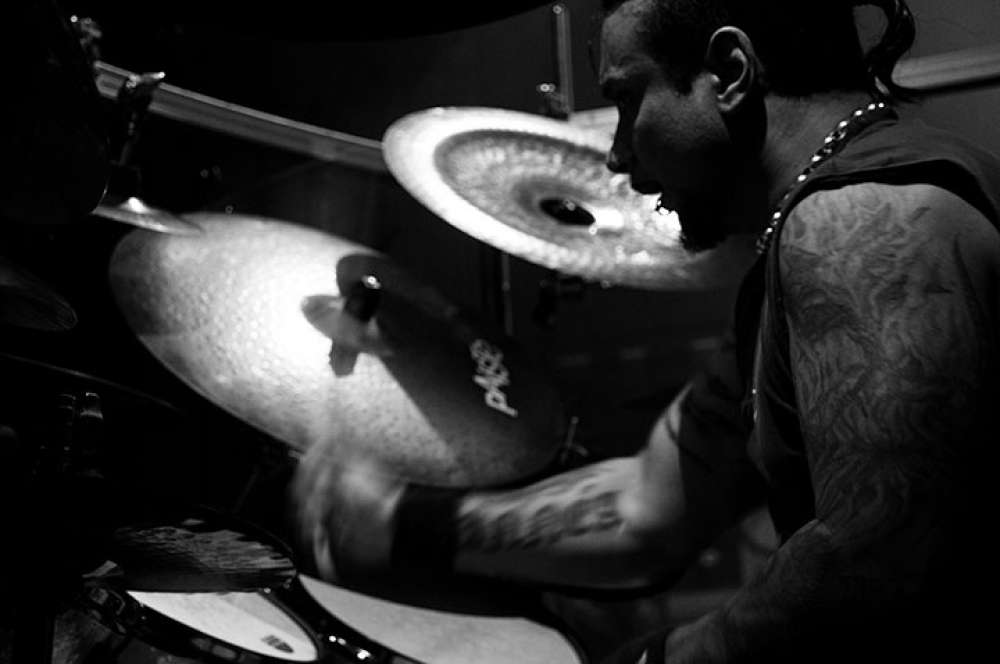
Metallerium: In 1989, being part of the early Norwegian scene meant expressing genuine, dangerous hostility toward religion and social norms. Today, Mørketid focuses on the poetic nature of winter darkness, the polar night, and more atmospheric horror themes. Some older fans feel that the thematic shift from pure anti-religious venom to "cinematic atmosphere" is a sign that the band has softened with age. Has extreme metal lost its ideological teeth, or is it just that fighting old religious battles feels irrelevant to you now in 2026?
Mortem:
Haha... I think we should correct the history books a little.
Back in 1989, Mortem wasn't really a black metal band. We were a death metal band—or perhaps what people today would call pre-black metal.
The Slow Death demo wasn't filled with anti-Christian manifestos. Most of the lyrics were about violence, murder and mutilation. We certainly borrowed plenty of satanic imagery, but that's hardly surprising when you're sixteen years old and trying your hardest to offend absolutely everyone.
Our first genuinely satanic lyric, Satanas, wasn't even written until after the Slow Death recording sessions. It eventually appeared on Peaceville's 2023 reissue.
Then... life happened.
Almost thirty years passed before Ravnsvart.
Now imagine spending three decades becoming a better musician, a better songwriter and, hopefully, a slightly wiser human being...
...only to throw all of that away because someone on the internet thinks authenticity means pretending you're still sixteen.
That doesn't sound authentic to me. It sounds like bad acting.
Ravnsvart was the beginning of that evolution. The atmosphere became broader, the arrangements more ambitious, but the aggression never disappeared. The lyrics still dealt with death and war, while also exploring dreams, philosophy and more abstract ideas. And despite what some people seem to believe, there's also a completely satanic lyric on that album.
Then came Mørketid.
The songwriting is stronger. The riffs are darker.
The arrangements are more sophisticated.
There's more tension, more dynamics, and frankly... more confidence.
Lyrically, war remains the central theme. It’s not about “the poetic nature of winter darkness and the polar nights”.
Not just wars between nations, but wars between people, religions, ideologies and even the conflicts that take place inside ourselves.
Den Sanne Gud is probably the closest thing to an anti-religious statement on the record. It's directed at organised religion in general—not one particular faith—and at mankind's remarkable ability to justify cruelty in the name of absolute truth.
Finally, Ditt Ødes Ære is my farewell to Euronymous...
...and perhaps, in some ways, a farewell to our own youth. We haven't become less extreme.
We've simply become better at expressing what we actually want to say.
Metallerium: Finally, what would you like to say to your fans in Latin America and the readers of Metallerium? Are there any chances to see you touring across Latin America? Thank you again for your time. Congratulations on Mørketid, and all the best with the new album!
Mortem:
Thank you for the interview.
It's refreshing to receive questions that encourage reflection instead of simply asking which guitar pedal we use.
To everyone in Latin America—thank you.
Whether you've followed Mortem since Slow Death or only discovered us through Mørketid, we're genuinely grateful that you're listening.
As for touring... We'd love to.
Nothing has been confirmed yet, but if the right opportunity comes along, we'll be there. Until then... Keep supporting underground music.

 Megadeth - Megadeth - 2026
 Karnivool - In Verses - 2026
 Locus Noir - Shadow Sun - 2026
 Buried - Imagined Deformation - 2026
 Exhumed - Red Asphalt - 2026
 Entrevista a Solegnium (Edward Parra)
 Entrevista a Enthroned (Nornagest)
 Entrevista a Sun of the Dying (Daniel y Roberto)
 Entrevista a Putrid (Miguel Ángel Beraun)
 Entrevista a Phobocosm (Samuel Dufour)
 Bandas Suecas que cambiaron las reglas del juego en el Metal mundial
 Ranking de lo peor a mejor de Dream Theater
 Ranking de lo peor a mejor de Testament
 Lo mejor de Chile 2025 (Macslaughterday)
 Lo mejor del 2025 (Vlad)
 Bloedmaan presentan nuevo sencillo The Sorceress and the Key de nuevo álbum Circle of the Moon
 Sercifer
 12.10.2026
  76
76 Gabriel Lejeune presentan nuevo sencillo Infinite Horizons de nuevo álbum PyramidsSercifer 12.10.2026 87
 Sanctuarium presentan nuevo sencillo Pendulous Lacerations de nuevo álbum Impetuous Behest For Detestable ExpulsionSercifer 12.10.2026 69
 The Mosaic Window presentan nuevo sencillo What Sage Could Not Cleanse de nuevo álbum Answered PrayersSercifer 12.10.2026 75
 Memoriam presentan nuevo sencillo Nothing More To Say de nuevo álbum EndgameSercifer 09.10.2026 146
 Trivium presentan sencillo principal de nuevo álbum Crown In The GraveSercifer 09.10.2026 131
 Necrofragore presentan nuevo sencillo Horrible Shapes in the Astral Trance de nuevo álbum Where the Shadows Spread Death and DesolationSercifer 09.10.2026 146
 Aronious presentan nuevo sencillo Dawn of Diathan de nuevo álbum The Ever Living OnesSercifer 09.10.2026 118
 Black Metal
  Sercifer 08.10.2026 106
 Schizo DeluxeSercifer 08.10.2026 117
 EnchiridionSercifer 08.10.2026 110
 Blood Has No LimitSercifer 08.10.2026 140
 FusedZeratulstra 09.09.2026 452