Sercifer
  23.06.2026
  1109
1109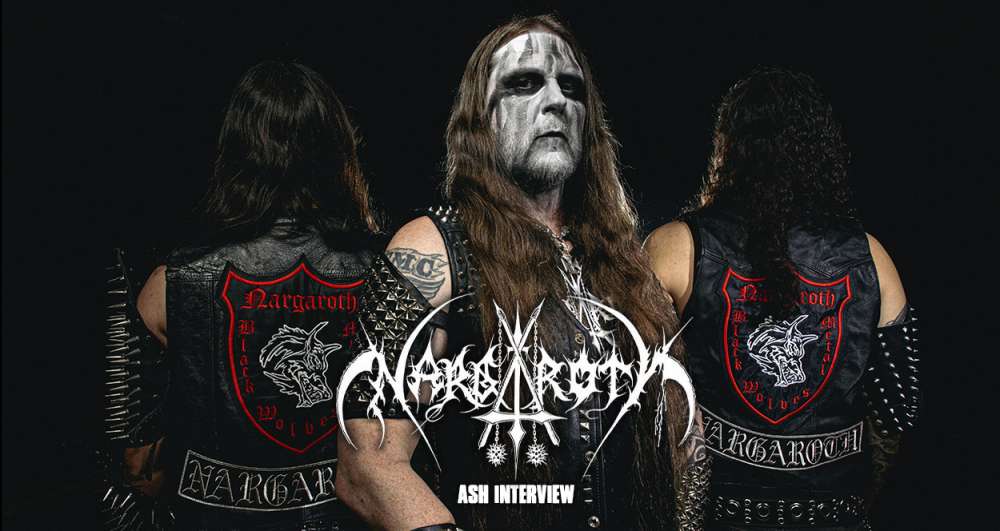
Nargaroth is a German Black Metal band that formed in 1996. In the late 90s, they released demos before their first album, "Herbstleyd" (1999), which was never one of those albums to remember or be remembered within the Black Metal world, which had better expressions before and after it. But when "Black Metal ist Krieg (A Dedication Monument)" (2001) came out and their song "Black Metal ist Krieg" went viral, everyone came to know the band because of that song. But from a broader perspective, and within the explosion of the style, it was a song that didn't have a striking breakthrough, although many might be annoyed by that comment, but things were that way at the time. So, this band was always there as one of the very few German Black Metal bands that existed at the time within a metal world dominated by Brutal Death Metal, later by Doom Metal, and at a mainstream level by New, Nu, and Alternative Metal. Now, after nine years of silence, we have their new studio album, "Apocalyptic Steel" released through the titan Season of Mist.
Para leer la entrevista en español: Entrevista a Nargaroth
Metallerium: Welcome Ash to Metallerium pages, it’s a great pleasure to speak with you. Let’s start asking how are you? And how is the band during these days for the release of the new album “Apocalyptic Steel” after 9 years?
Nargaroth: I'm trying to stay sane in these strange times. I'm mostly minding my own business and trying to stay away from social media and TV news. Today, two of my live musicians arrived from Mexico and Poland, and I am expecting another from San Salvador tomorrow. We will rehearse for the upcoming European festivals, the album release show, and the Asia tour in September.
Metallerium: Apocalyptic Steel is an album that effectively refused to stay buried. When you unearthed these 2014 sessions from that weekend at Trident Studios, what was it like confronting your own creative mindset from over a decade ago?
Nargaroth: It was already some years ago, when we got the hard drive back, and I listened to the demo versions we recorded again. I still liked them a lot because they are so different from anything else I have recorded. We decided to see it through, completing the songs and ultimately releasing them. Of course, some old memories flashed in my mind, and I recalled some funny or challenging moments.
Metallerium: You chose to re-record the drums with Phil Cancilla in Las Vegas in 2022, but kept the original 2014 guitars and bass by yourself and Mike Williams. How did you balance preserving the raw, chaotic energy of the original weekend session while upgrading the sonic foundation years later?
Nargaroth: I think there's a bit of misinformation here. Phil also did the original recordings in 2014. When we all met to record, I only knew Mike and had never met Phil. I recently learned that Phil didn't know Mike either. Mike contacted Phil beforehand and asked if he was available to play the drums. We had limited time to record, and we were still composing during the recording process. Mike and I worked on guitar riffs, and Phil came up with drum ideas. We were all busy. I found photos and videos of us in the parking lot next to the studio, dry-playing and rehearsing ideas. We didn't do elaborate composing, selecting and discarding riffs and ideas. Rather, we patched our way through the songs so we could record them. I'm not saying this negatively, but rather as an alternative way of making an album. It's probably not popular, considering how overly produced and composed many new albums are. To me, it was unmistakably an American album. I wasn't sure if European fans would accept it. I still am. That being said, when we got our hands on the hard drive again, I think Phil wanted to re-track the drums because he didn't have much time to be elaborate during the original 2014 recordings. So, Mike set up a recording date at a drum recording studio in Vegas, and Phil re-did the drums. I changed the guitar and bass tracks while mixing the album in 2025, and I added some keyboard and clean vocals as well.
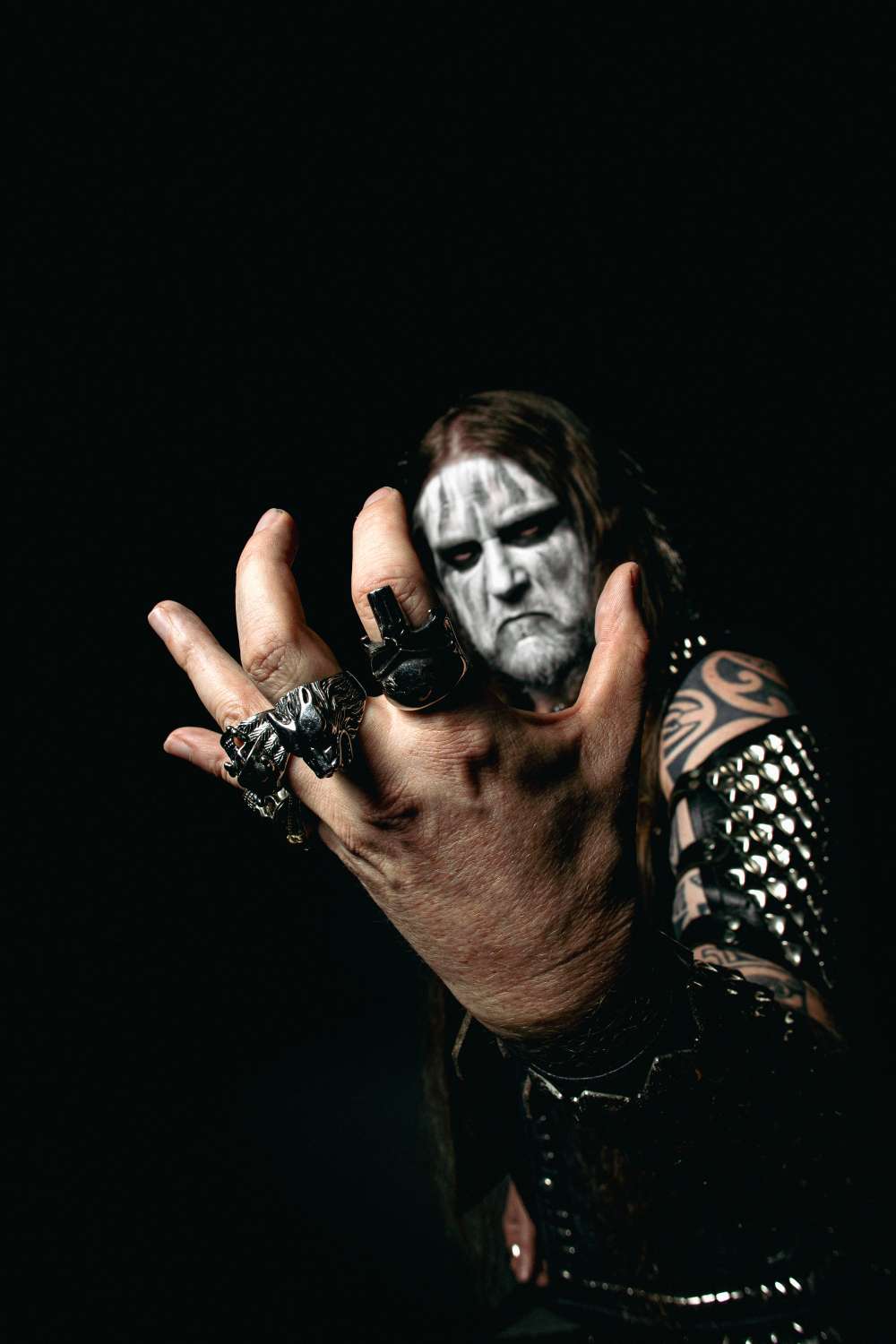
Metallerium: Vocals, mixing, and mastering were completed at AMP Studios between February and April 2025. Did the passing of time change the lyrical direction or the vocal delivery you originally intended back in 2014?
Nargaroth: No. originally, I intended to do something different, lyrically. But when I have to create vocals, present day issues came up and ended up on the album. As I mentioned in other interviews before, I wanted to make a straightforward metal album. No deeper insights or philosophical approaches. I only partially succeeded. Roughly three songs reflect my personal struggles, how I overcame these hardships, and my reflections on the topic. Mostly, though, it is a tribute to all the bands that sparked my passion for metal a long time ago. Most songs on this new album are pure metal and profane. However, songs like "I Drink Alone," "Dresden," "Requiem Germania," and "Man of Mayhem" still touch on personal struggles, inner battles, and the duality that everyone battles with. However, I want to have the freedom to create songs that are, for lack of a better word, dull. Songs without deeper meaning. Songs without the claim of being educational, deep, or mature. Over the last ten years, there has been an increase in more "mature" black metal. Cryptic, philosophical, elite, and so on. Some actually succeeded. Many just spouted headlines and pretended. I came to a point where I was appalled by anything serious in metal. Personally, I never looked to metal music for salvation or guidance. If anything, it was a soundtrack to my woes or a distraction from pain. The older I get, the less I look outside myself for something.
Metallerium: Tracks like "Twisted Steel" and "Metalheart" carry an unapologetic, anthemic "heavy metal pride". Do you see Apocalyptic Steel as a statement against the over-polished, overly intellectualized direction that contemporary European black metal has taken?
Nargaroth: I don't want to make a statement, as that would imply that I feel connected to the society of present-day bands and musicians. I made an album—that's it. Some will like it. Many won't. I am fine with that. It's not a statement, an antidote, or a mark of opposition for or against anything. It's just an album, and maybe one song will stand the test of time and be listened to decades from now. However, I agree with you that we live in an era of overly intellectualized metal releases and musician images. To me, they are all equally irrelevant. Most of them look like they've never held a normal job. I can't respect a man (or a guy, in this case) who has never worked in his life. I don't share the worldview of people who seek comfort.
Metallerium: The song "I Drink Alone" stands out conceptually. How does this track tie into the misanthropic, solitary worldview that has always defined Nargaroth?
Nargaroth: I am reflecting on infidelity and abuse in relationships. The world always portrays women as victims, which neglects the facts because it doesn't fit the modern narrative against masculinity. It also reflects men becoming simps in relationships instead of being leaders of their families, and then drowning themselves in booze or self-pity when their wives leave them.
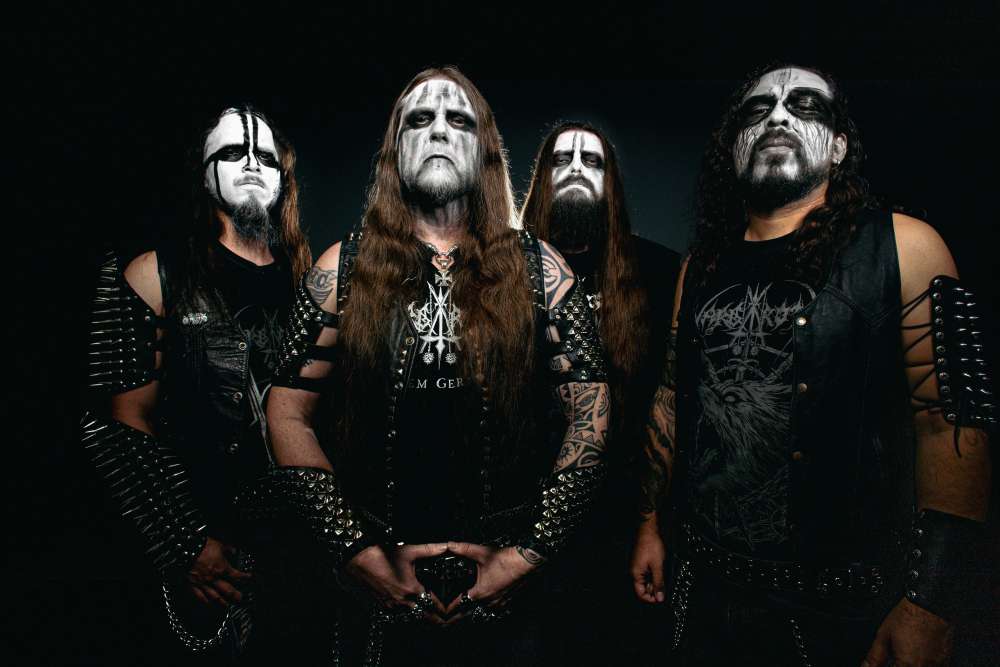
Metallerium: "Requiem Germania" deals with a very heavy, complex sense of homesickness and ancestral roots. Having lived away from Germany for a long time, how did writing this song help you process the tension between the pull of your homeland and the resentment toward how it has changed? The music video for "Requiem Germania" features the symbolic, layer-by-layer donning of traditional German garments. What was the visual and artistic intent behind this specific imagery?
Nargaroth: I left Germany in 2016 because I felt alienated there. I lived, worked and grew older in the USA. However, I believe that you cannot truly escape your ancestral soil. Every part of the world has its own vibe or energy. You can live and even dwell in other areas and countries, but you never really synchronise with the vibe or energy there. People who have left home have said that they feel their 'roots pulling' them back. I felt it too. So, I went home for a while. I found many of the things I had longed for at home on our farm. The way the air tastes, the smell of the fields, and the particular sound of our woods. But I also found a lot of change; things that were new and far removed from what I was accustomed to or longed for. The Germany I came back to wasn't the same as the one I left — not to mention the one I grew up in. While change is always present in life, societal change comes with a loss of identity and common beliefs that constitute a sense of belonging, as well as a connection to one's ancestors. Although we can always poke fun at these things, identity is both inherited and invented anew. Without shared beliefs, a tribe becomes weak. Everyone strives for individuality, but ultimately everyone strives only for themselves. First, we destroy the core family, then the community, then the state and the nation, and finally the culture. Cultural 'awareness' becomes an artistic expression for groups who cosplay our ancestors' culture without actually living by its values or being willing to defend them; they are nothing more than strippers playing shamans on stage. It is grotesque but harmless. Serious ancestral traditions are dumbed down into make-believe actions until nobody remembers the correct traditions anymore. People who try to uphold them will be ousted and ostracised, labelled as the nation's enemy. However, only fools and conquered people’s mock traditions, as they have been uprooted and alienated from their own culture. We go to war with nations that are closer to our culture than those that claim to help us against them. When identity is erased, a nation can be conquered without a shot being fired. Identity is not a way to make yourself superior to others or claim a diluted fate. It is something people need to heal. To feel connected and comforted. We need a wholesome tribe or nation that is in solidarity with all its neighbours, but that is also willing to defend itself against conquering forces. As long as we live against our nature, we will remain unwell. After I returned, I saw sickness everywhere. Yet Germany has many traditions that harm no one but are shunned and ostracised. I grew up with these tribal traditions. So, I included them in my video, because when the shit hits the fan, every single group that is part of us, as well as the people who hate them, will rely on them. Germany will change. That's why I won't stay here. But I will always remember what I once loved. That's why I made this song and video.
Metallerium: Another track, "Dresden" carries immense historical weight. What specific aspects of history or personal reflection are you addressing on this piece?
Nargaroth: I grew up not too far from Dresden, and the ruins of the Church of Our Lady have been part of my upbringing and political indoctrination in communist East Germany. Yet, I never fully understood the dynamics and fate behind slogans like "We were liberated by the Soviet Union" and "Nazis were animals." As a child, I believed that Nazis were a different group of people, dehumanized or even fictional. It never occurred to me as a five- or six-year-old that our grandparents were the social group labeled with that term. That changed when I saw my grandmother crying sometime in 1990. When I asked her why she was crying, my family told me that they had found her brother. I didn't understand anything. What brother? What does "found" mean? He died in WWII, and his grave was found and identified in France. That was the first time I understood the scope of Germany's past in connection to the reality back then. I started talking to older people about their experiences and noticed a lot of hesitation, but also a lot of tears when they opened up. The contrast between individual fates and pain and the ostracism of these people bothered me. So, I supported an organization that digs through old battlefields and tries to bring fallen soldiers of all nations home. You can judge a society by how it treats its dead. Dresden is just another contradictory topic with two sides fighting each other. Some say it was a war crime because Dresden was not a military target and was full of refugees and beautiful art. Others say that Germany bombed many towns to smithereens, so why shouldn't we taste the same medicine? To this day, people on both sides march for their believes. Some even want the bombers to come back and level the city again. I, on the other hand, am more interested in individual fates. I want to know how the citizens of Dresden remember those nights, how they felt, feared, and cried. When you break it down to the individual level, the concepts of politics and right and wrong don't really apply anymore. It just hurts to hear. Dresden is a topic that people fight over but don't talk about. For centuries, this topic was ignored and forbidden. And yet, it happened. It's part of our history, our pain, our losses, our responsibility, and our awareness. How much longer do we want to make those who want to make us feel guilty happy? In my travels around the world over the last 30 years, I have learned that the world has already forgiven us for WWII. But we Germans haven't. I cannot change that. As I always do, I approach it on an individual level to see how it makes me feel and maybe find a way to understand it. I may prevail or fail with this attempt, but the result is this song, which is just a step in the direction I want to go in to better understand the topic.
Metallerium: Apocalyptic Steel marks your first major release via Season of Mist. How has partnering with this label impacted your independent approach to pushing Nargaroth's legacy forward?
Nargaroth: In 2022, I signed with SoM. I am not accustomed to working with a major label, so it took me a while to understand their methods and how the music business actually works. I needed quite a few sit-down meetings and had things explained to me in detail so that I could understand the dynamics of the entertainment market, promotional strategies, and – more importantly – what not to do in the business. I can see how SoM is using its influence to take Nargaroth to the next level. I have to be patient to see where the road takes us. The ever-changing market and the emotional instability of the metal scene make it hard to predict where we will end up. You can be a great band and still not make it anywhere. Conversely, you could be a mediocre band with a unique twist or a highly sought-after trait, and find yourself in top positions at major festivals. Ultimately, Nargaroth will never be a racing car, storming the chequered flag in a glorious run. It's more like a reliable diesel engine in an old locomotive. Sturdy, mid-paced, but reliable and consistent. I'd rather have consistent revenue than a flood of cash and be old news by the next festival season. I am confident that SoM know what they are doing, and I try to catch up along the ride.
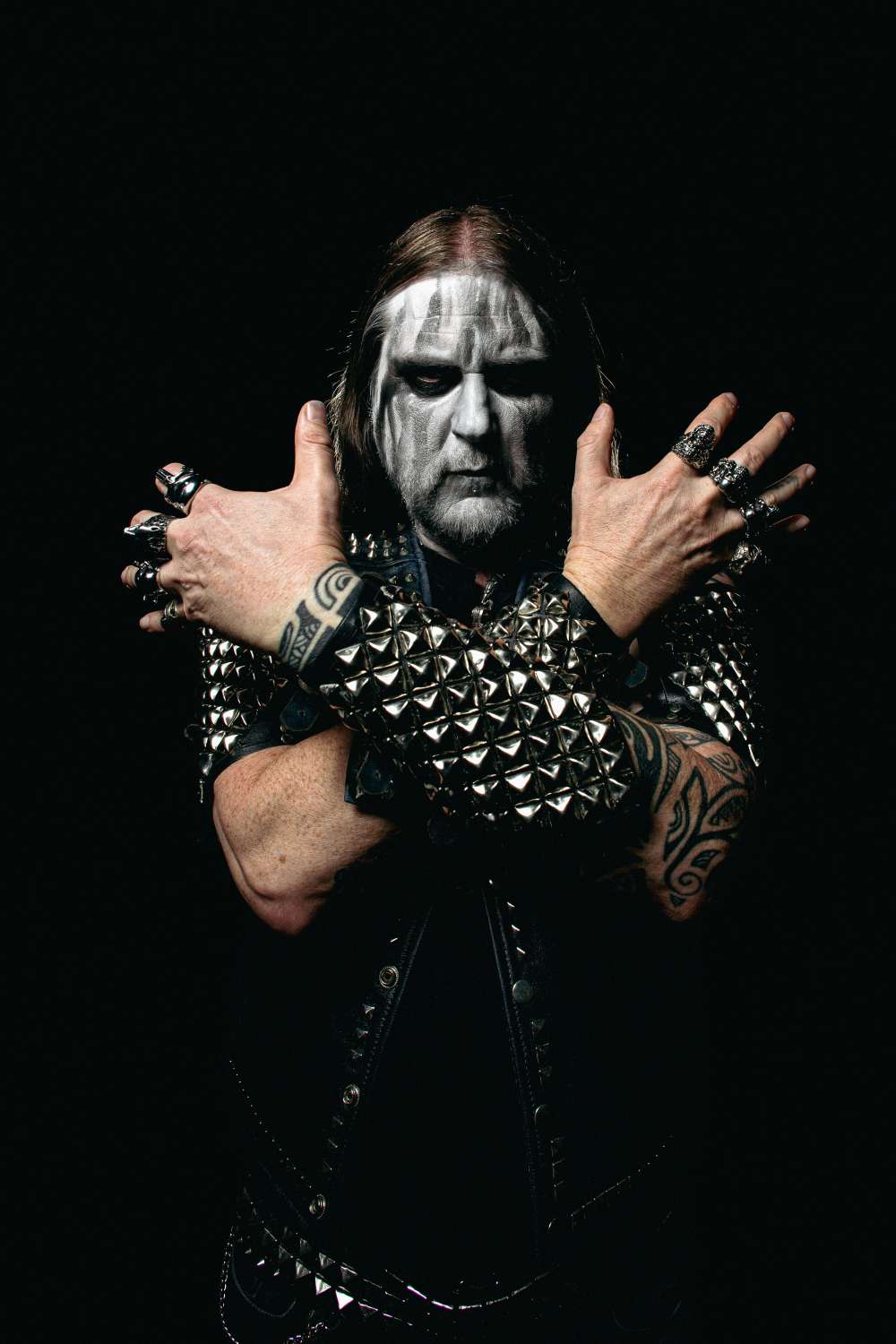
Metallerium: For the album release show at Matrix Bochum, you are performing two entirely separate live sets—one classic set and one playing Apocalyptic Steel in its entirety. How are you and your new live lineup preparing to translate the fierce, fast-recorded nature of this album to the stage?
Nargaroth: They arrived yesterday, and we will try to work things out over the next four weeks. But I have played two complete shows back-to-back in one night before. Last year in Bogotá, Colombia.
Metallerium: In recent years, you’ve expressed a massive appreciation for your fans in Latin America, noting that their raw passion keeps Nargaroth alive compared to a "dying" European scene. How do you expect the Latin American crowd to react to the heavy, old-school thrash/death attitude woven into Apocalyptic Steel?
Nargaroth: We performed songs from the album on our last tour earlier this year, and the reaction was fabulous! Ultimately, though, the response to the album will be mixed. Whether or not you like the album will depend on your metal background. If you're a fan of traditional Nargaroth music, you won't find any comfort in this album. However, if you're a fan of Nargaroth's lyrics, you might be able to relate to some of the songs. If you're a metalhead with a broader metal mentality, you might like the album. Ultimately, it's just a matter of taste and whether an album's character hits you at the right time. Some albums hit you right away but fade quickly. Others don't appeal to you at first, but grow on you later in life.
Metallerium: "Before you surprised everyone with the announcement of 'Apocalyptic Steel' and the Latin American tour, you had stated on social media that Nargaroth would be at rest. You seemed very detached from the music scene, focusing heavily on your personal life and your truck driving. What was the exact catalyst that made you say, 'No, it’s time to turn the truck engine off, unearth these 2014 files, and bring Nargaroth back to life'?"
Nargaroth: Exhaustion and necessity. I've had the idea of a long tour, which would actually be worth calling a tour, in my mind for a long time. European bands are playing a lot in Latin America at the moment. They announce tours playing only in capital cities. So, I wanted to go to where the people are and play extensively. I would have done many more shows, but some organizers didn't come through with their offers or didn't like the dates they would have got. I signed with SoM in 2022 and they expected the album ASAP. To be honest, I didn't do anything and procrastinated until I received a little push to get started and finish it. Yet I am still detached from the metal music world. I have no desire to be part of it. The people I knew have either died, moved on, or changed so much that I don't recognize them anymore.
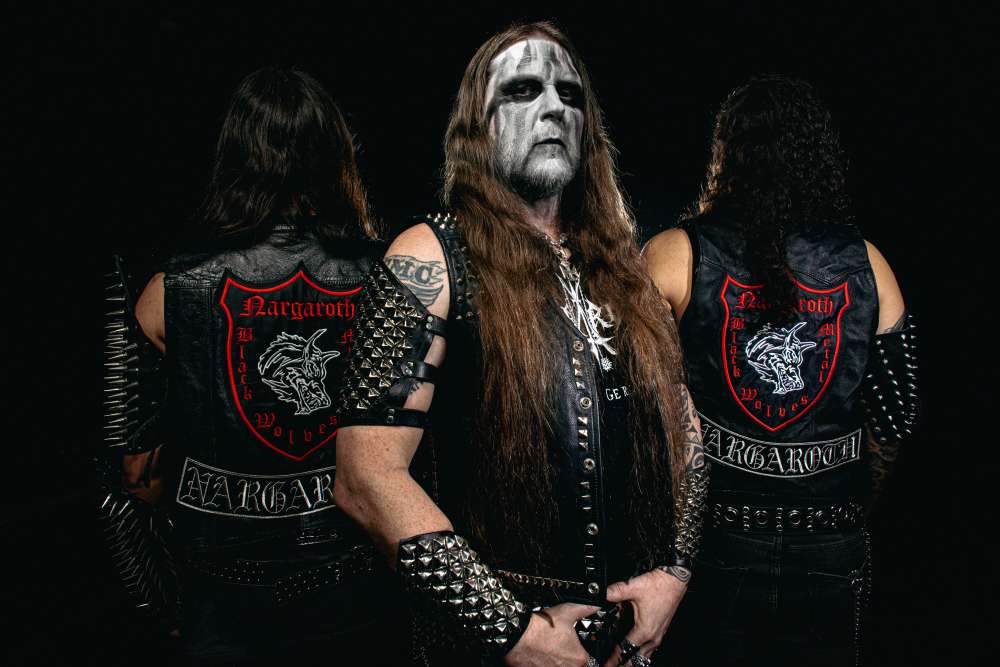
Metallerium: "When you released 'Black Metal ist Krieg', including wartime photographs of your relatives who served in the Wehrmacht sparked massive accusations of political extremism. You have consistently maintained that Nargaroth is entirely apolitical and that politics don't belong in music. Decades later, with 'Apocalyptic Steel' leaning heavily into ancestral roots and themes like 'Requiem Germania', how do you navigate the reality that the broader metal scene often refuses to separate German historical heritage from political ideology?"
Nargaroth: I'm not going to give them the privilege of my attention. I can't control others. Only myself. Therefore, I will do my own thing, unburdened by mainstream ideas. They can boo me if they want. I don't care, because I have seen what they are cheering for.
Metallerium: "Early in Nargaroth's history, your appearance on the Sat.1 talk show became a major point of ridicule and weaponization by underground elitists who claimed it compromised your credibility. Looking back at that era of television and the extreme backlash you received, do you view that moment as a naive mistake of youth, or do you still stand by it as a middle finger to the scene's rigid, fragile rules?"
Nargaroth: Was it a mistake, reputation-wise? Probably. Was it a 'I'll do whatever I want' move? Definitely. I lived a miserable life back then. Even though this whole thing wasn't really my scene, I had some fun outside the show. And that was a rare occurrence in my life back then.
When some German 'true warriors' saw the show when it aired, they of course used it to bash me, even though I wondered what these “evil black metal warriors” were really doing watching talk shows during the day. And why wouldn't they use it against me? I would have done the same fucking thing, if another black metal band that had been hyped up and become popular appeared on TV. And fuck me, I actually did! Some morons from Agathodaimon appeared on a Boulevard TV show and talked about black metal. Mille of Kreator appeared on a kids' channel in Germany. I think even DNS were on a controversial “investigative” TV show as well. So yes, I complained about and ridiculed them too. Why would I expect any different treatment?
Metallerium: Well, thank you very much for your time and this new record it is a great one. Congratulations on this. Do you wanna add something for your latin fans and Metallerium followers.
Nargaroth: Thank you for your support. Try to get original merchandise if you can. If not, that’s fine too. Support Chamuco and all the shows he does in and for LATIN AMERICA! Besides that, I am already working on new material.


 Megadeth - Megadeth - 2026
 Karnivool - In Verses - 2026
 Locus Noir - Shadow Sun - 2026
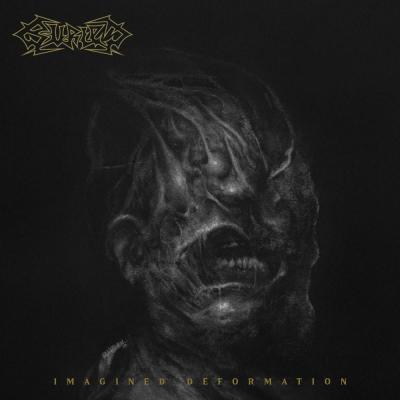 Buried - Imagined Deformation - 2026
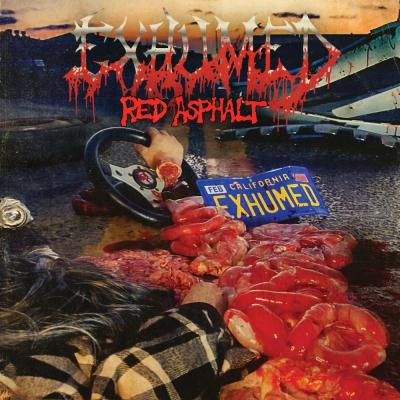 Exhumed - Red Asphalt - 2026
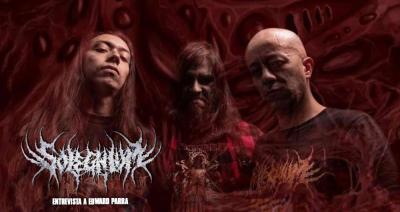 Entrevista a Solegnium (Edward Parra)
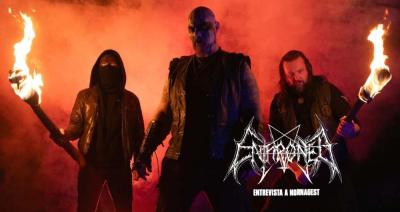 Entrevista a Enthroned (Nornagest)
 Entrevista a Sun of the Dying (Daniel y Roberto)
 Entrevista a Putrid (Miguel Ángel Beraun)
 Entrevista a Phobocosm (Samuel Dufour)
 Bandas Suecas que cambiaron las reglas del juego en el Metal mundial
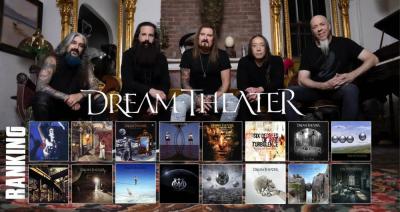 Ranking de lo peor a mejor de Dream Theater
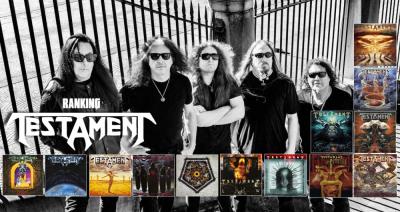 Ranking de lo peor a mejor de Testament
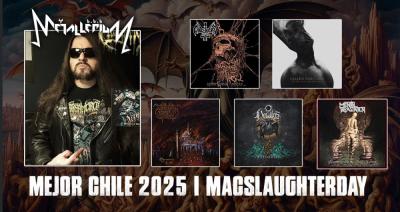 Lo mejor de Chile 2025 (Macslaughterday)
 Lo mejor del 2025 (Vlad)
 Amthrya presentan nuevo sencillo Shudan Borei de nuevo álbum Onnen
 Sercifer
 21.09.2026
  63
63 Somn presentan nuevo sencillo The Loyal Hand de nuevo álbum ConsecrationSercifer 21.09.2026 60
 Peeling Flesh presentan nuevo sencillo Murderous Intent de nuevo álbum homónimoSercifer 21.09.2026 72
 U.D.O. presentan nuevo sencillo I'll Die Trying de nuevo álbum Voodoo RangerSercifer 21.09.2026 58
 Haxprocess presentan nuevo sencillo Privation de nuevo álbum Endlessly Flowing Cascades of GriefSercifer 18.09.2026 107
 Manntra presentan nuevo sencillo Watcher Watcher de nuevo álbum Wild HuntSercifer 18.09.2026 112
 Celestial Scourge presentan nuevo sencillo Foreseen Systematic Malfunctions de nuevo álbum ExomiaSercifer 18.09.2026 109
 Saccage presentan nuevo sencillo Terreur Diurne (Daytime Terror) de nuevo álbum ChronophageSercifer 18.09.2026 120
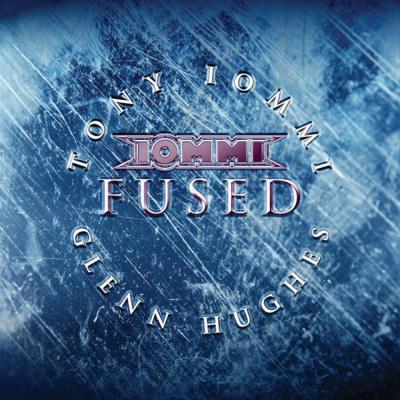 Fused
Fused Zeratulstra 09.09.2026 203
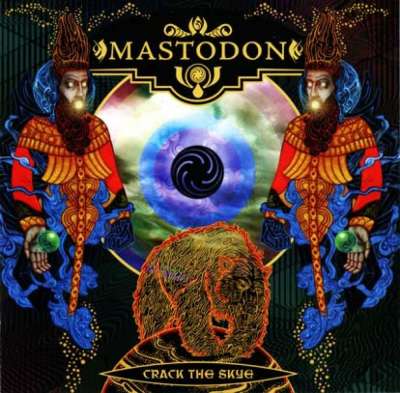 Crack the SkySercifer 07.09.2026 217
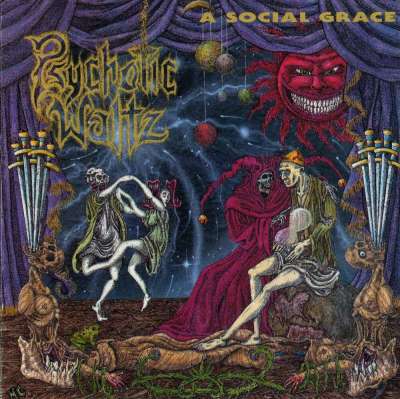 A Social GraceSercifer 07.09.2026 256
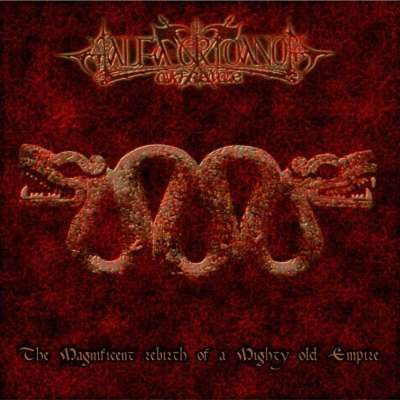 The Magnificent Rebirth Of A Mighty Old EmpireSercifer 07.09.2026 253
 The Puppet MasterGocho 12.08.2026 580