Sercifer
  03.02.2026
  1500
1500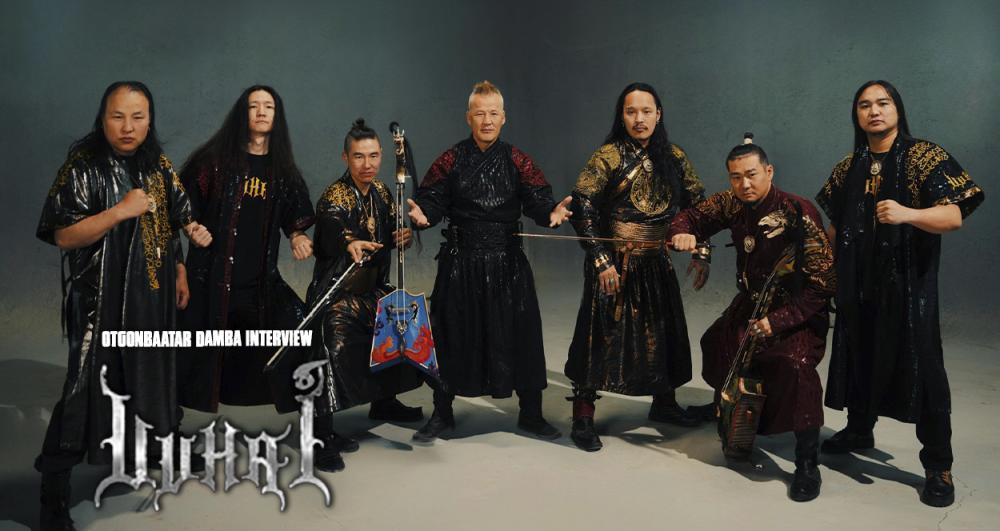
"Human Herds" is a good start, very interesting, since the fusion of local folklore with metal is well done, all balanced, there is no moment more abundant than another, as happens in folk bands especially European ones, Uuhai knows that first and foremost they are a metal band, and that's how they have to sound, being a debut of this band from the distant steppes of Mongolia, fusing metal with folklore from their region, and achieving interesting, powerful music that does not lose the atmosphere they want to take you to in their songs.
Para la leer la entrevista en español: Entrevista a Uuhai
Metallerium: Welcome to the Metallerium website and thank you for taking the time for this interview. How are you and the band? How are you feeling now that Human Herds is released?
Uuhai: Thank you for having us and for the warm welcome. We are doing very well, and the band is in a strong and focused place right now.
Releasing Human Herds feels both relieving and meaningful. This album carries several years of work, reflection, and growth, so seeing it finally out in the world is a special moment for us. More than excitement, we feel gratitude. Gratitude to everyone who supported us along the way, to Napalm Records for believing in the project, and to listeners who have connected with the music so deeply.
Now that Human Herds is released, our attention naturally turns to the live experience. The songs feel alive on stage and sharing them directly with audiences gives the album its full meaning. We feel grounded, motivated, and ready to continue this journey.
Metallerium: Your latest single, 'Secret History of the Mongols,' is named after the oldest surviving literary work in your language. Why was it important for you to bring these 13th-century historical texts into a modern heavy metal setting for this album?
Uuhai: For us, The Secret History of the Mongols is not just an old text. It is the root of our identity, our values, and our collective memory. We grow up learning its stories, not only as history, but as lessons about leadership, unity, responsibility, and respect for the land. Bringing this work into a modern heavy metal setting was our way of showing that these ideas are still alive and relevant today.
Heavy music allows us to express the strength, struggle, and spirit found in those 13th century texts. The power of metal matches the intensity of the stories and the emotions they carry. At the same time, combining it with traditional elements keeps the connection to our ancestors intact.
For this album, it felt important to close the journey by looking back to the very beginning of our written history. Secret History of the Mongols connects the past to the present and reminds us that the questions people faced centuries ago are not so different from the ones we face today. Through this song, we wanted to honor that continuity and let ancient wisdom speak in a modern voice.
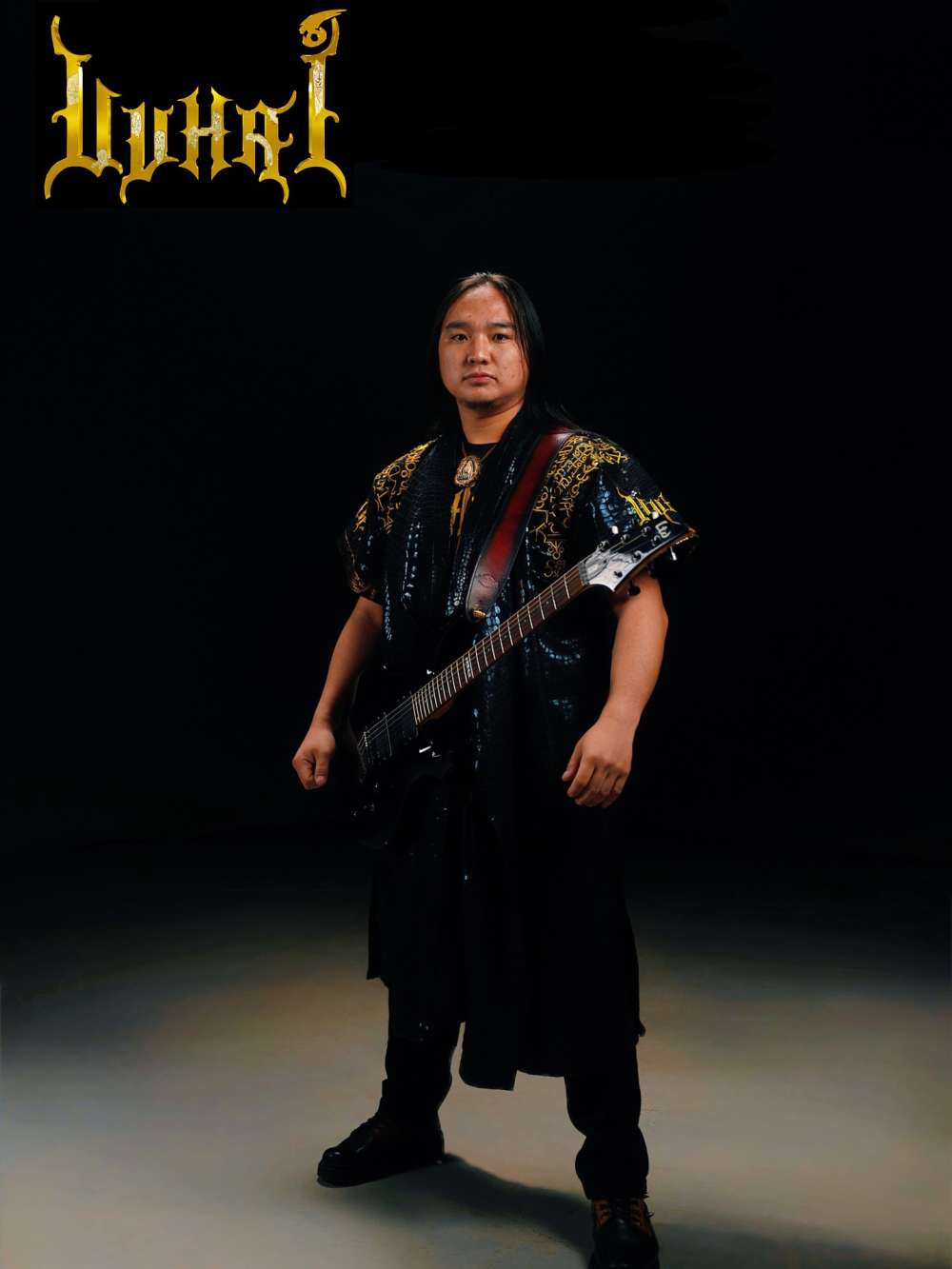
Metallerium: Uuhai is known for the powerful combination of throat singing and the morin khuur (horsehead fiddle). For audiences seeing you for the first time on this 2026 tour, what do you hope they understand about the 'Mongol spirit' that these traditional sounds carry?
Uuhai: For audiences seeing us for the first time, we hope they understand that the Mongol spirit carried by throat singing and the morin khuur is not about spectacle or technique alone. It is about connection. These sounds come from a way of life that listens closely to nature, to silence, and to the rhythm of the land.
Throat singing carries the breath of the steppe, the wind, the mountains, and the animals. The morin khuur carries emotion, memory, and movement. Together, they express strength and humility at the same time. This balance is at the heart of the Mongol spirit. It is powerful, but never aggressive. It is proud, but grounded.
Through these traditional sounds, we want people to feel resilience, respect, and unity. Even without understanding the language, the emotion is clear. The Mongol spirit is about standing strong while remaining connected to the earth and to each other. That is what we hope audiences feel when they hear our music live.
Metallerium: The album title Human Herds reflects on humanity's shared responsibility to the planet. How has the landscape of Mongolia influenced your message of environmental consciousness in 2026?
Uuhai: The landscape of Mongolia shapes this message naturally, because it teaches responsibility through experience. Growing up surrounded by wide steppes, open skies, rivers, and mountains, you understand very early that humans are small in the face of nature. Survival in such an environment depends on balance, respect, and restraint. If you harm the land, you harm yourself.
In 2026, this awareness feels more urgent than ever. We see climate change, pollution, and disconnection from nature affecting the world at a global scale. From our perspective, Mongolia is a reminder of what happens when people live in rhythm with their environment rather than trying to dominate it. Nomadic culture has always been about taking only what is needed and thinking beyond the individual.
Human Herds reflects this observation. Humanity today moves together like a herd with enormous power. That power can either protect the planet or destroy it. The Mongolian landscape influenced us to frame this message not as accusation, but as a reminder. We all live under one sky and depend on the same earth. The album asks listeners to slow down, remember their connection to nature, and act with awareness before that balance is lost.
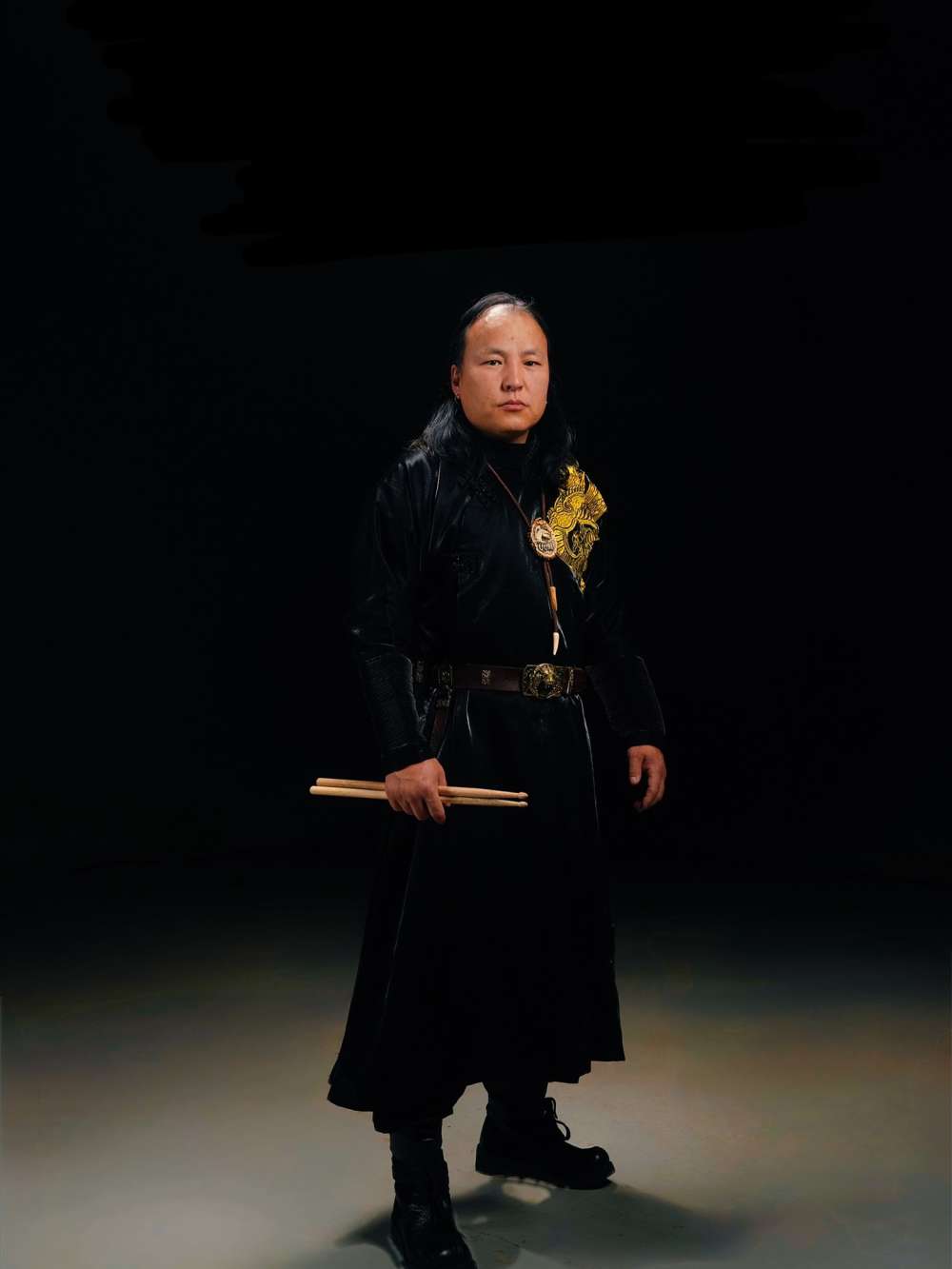
Metallerium: In 'Khurai', we see a deep connection to shamanism and traditional rituals. How do you manage to balance respect for these sacred rituals with the chaotic energy of a modern metal festival like Hellfest or Wacken?
Uuhai: For us, respect is the starting point. Shamanism and traditional rituals are not themes we borrow for atmosphere. They are part of our cultural memory and spiritual understanding. When we bring these elements into songs like Khurai, we do so with humility and intention, not to recreate a ritual on stage, but to carry its spirit into a modern space.
At large metal festivals like Hellfest or Wacken, the energy is intense and chaotic by nature. We do not see that as a contradiction. Instead, we see it as another form of collective gathering. In traditional rituals, people also come together, share energy, and focus their attention in one direction. The form is different, but the essence is similar.
Our role is to create a bridge. We keep the core meaning intact through sound, rhythm, and emotion, while allowing the power of modern metal to amplify it. The distortion, volume, and movement help carry that ancient feeling to thousands of people at once. When done honestly, the sacred does not disappear in the chaos. It becomes stronger and more visible.
In that balance, we feel that tradition stays alive rather than preserved behind glass. It breathes, adapts, and speaks to the present moment.
Metallerium: Many people compare you to The HU, but you have a very distinct identity, characterized by the heavy use of drums and denser guttural vocals. What do you think Uuhai brings to the folk metal genre in 2026 that no one else is doing?
Uuhai: We understand why comparisons happen, but Uuhai comes from a very different internal drive and sound vision. What we bring to folk metal in 2026 is a deeper emphasis on rhythm, weight, and ritual energy. Drums are not just a supporting element for us. They are a leading force. The pulse of our music is grounded in traditional rhythm and physical movement, which gives our sound a heavier and more primal foundation.
Our use of guttural vocals and throat singing is also denser and more layered. We are not focused on melody alone, but on texture, breath, and vibration. The voice becomes an instrument that carries gravity and atmosphere, not only a lead line. This creates a darker and more immersive sound that feels closer to ritual than performance.
What truly sets us apart is intention. We are not aiming to present folklore as a symbol or an image. We use traditional elements as a living language to speak about modern humanity, responsibility, and balance. Uuhai is less about representation and more about invocation. In 2026, we believe folk metal can still evolve by going deeper rather than broader, by slowing down, listening inward, and allowing ancient voices to speak with modern force.
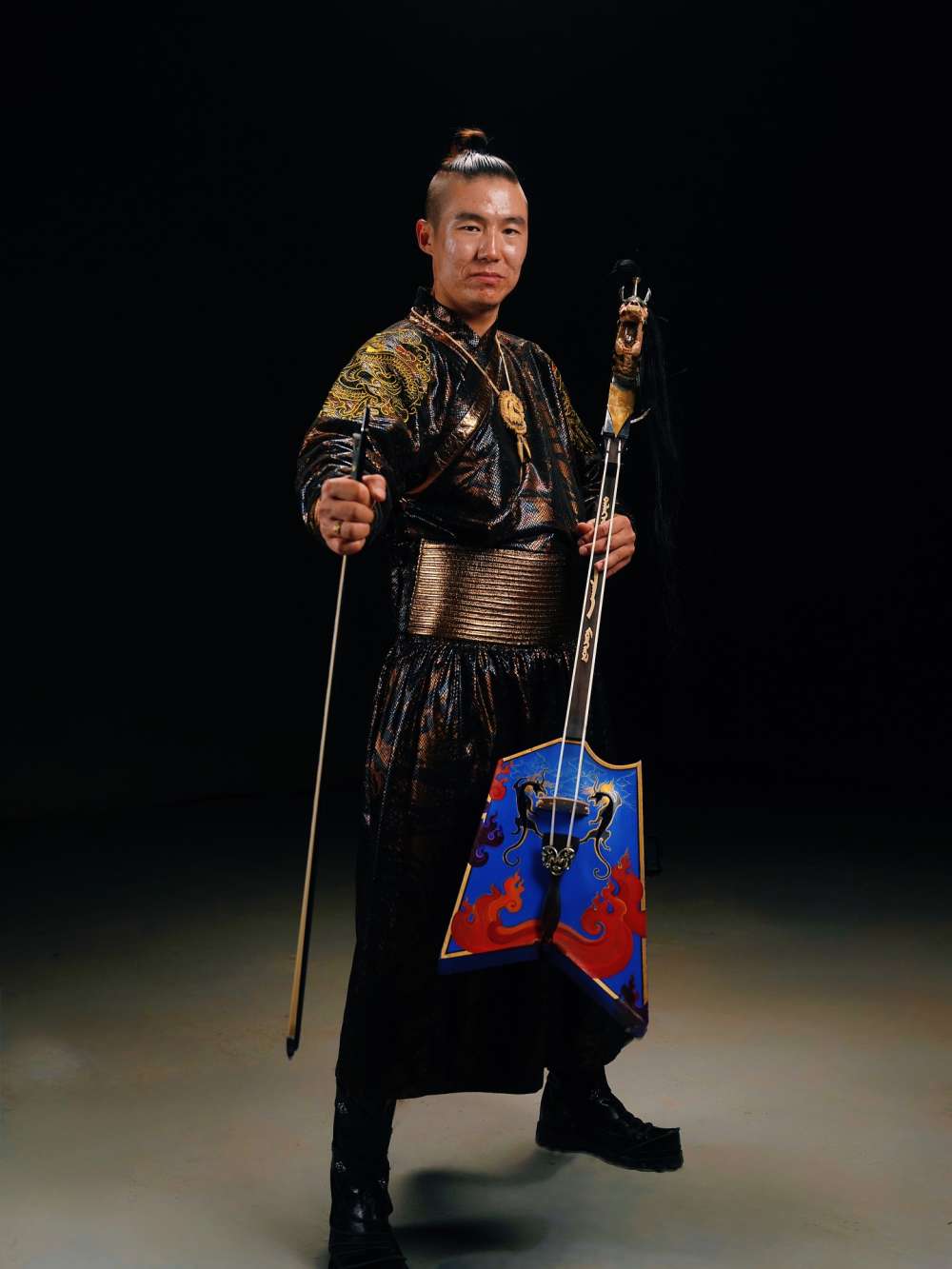
Metallerium: While listeners often compare you to other Mongolian acts, you've recently noted that your use of the Morin Khuur (horsehead fiddle) and throat singing isn't a 'concept' or a 'mix,' but rather your natural musical language combined with the intensity of the modern world. In tracks like 'Khar Khulz', which has already reached over 7 million views, how do you decide when to let the traditional instruments lead and when to let the heavy guitar textures take over?
Uuhai: For us, it is never a technical decision or a formula. We do not sit down and decide in advance which part should be traditional and which part should be heavy. The song itself tells us. Because throat singing and the morin khuur are our natural musical language, they often lead when the emotion comes from the land, from memory, or from something spiritual. When the feeling becomes urgent, tense, or reflective of the modern world, the guitars and drums naturally rise to the surface.
In a song like Khar Khulz, the traditional instruments lead when the music needs space, breath, and depth. The morin khuur carries movement and landscape, while the voice connects directly to the earth and the inner state. When the energy needs to surge, when the song speaks about awakening or confrontation, the heavy guitars and drums take over to express that force.
We think of it as balance rather than contrast. The traditional elements are not there to soften the metal, and the metal is not there to overpower tradition. They respond to each other. When everything is honest, the transition feels natural, and the listener does not hear a switch. They hear one voice speaking in different intensities. That is how our music lives and breathes.
Metallerium: You're currently performing in several European cities this month. Is there a Human Herds song that has become a favorite to play live because of the audience reaction?
Uuhai: Yes, without question the title track Human Herds and the song Uuhai have become the strongest moments live during this tour.
When we play Uuhai, the reaction is immediate. Even audiences hearing us for the first time quickly understand the power of the chant. When hundreds or thousands of people shout “Uuhai” back at us, the atmosphere changes completely. It stops feeling like a concert and becomes a shared ritual. That energy gives us strength on stage and confirms that the spirit of the music is reaching people beyond language.
Human Herds has also become a favorite because of how deeply people connect to its message. You can feel the audience listening closely during the verses and then releasing that energy together when the song opens up. In many cities, people move and breathe together during this track, which perfectly reflects the idea behind the album.
Seeing these reactions across different European cities has been very meaningful for us. It shows that the emotions and ideas behind Human Herds truly come alive on stage and that the audience becomes part of the music every night.
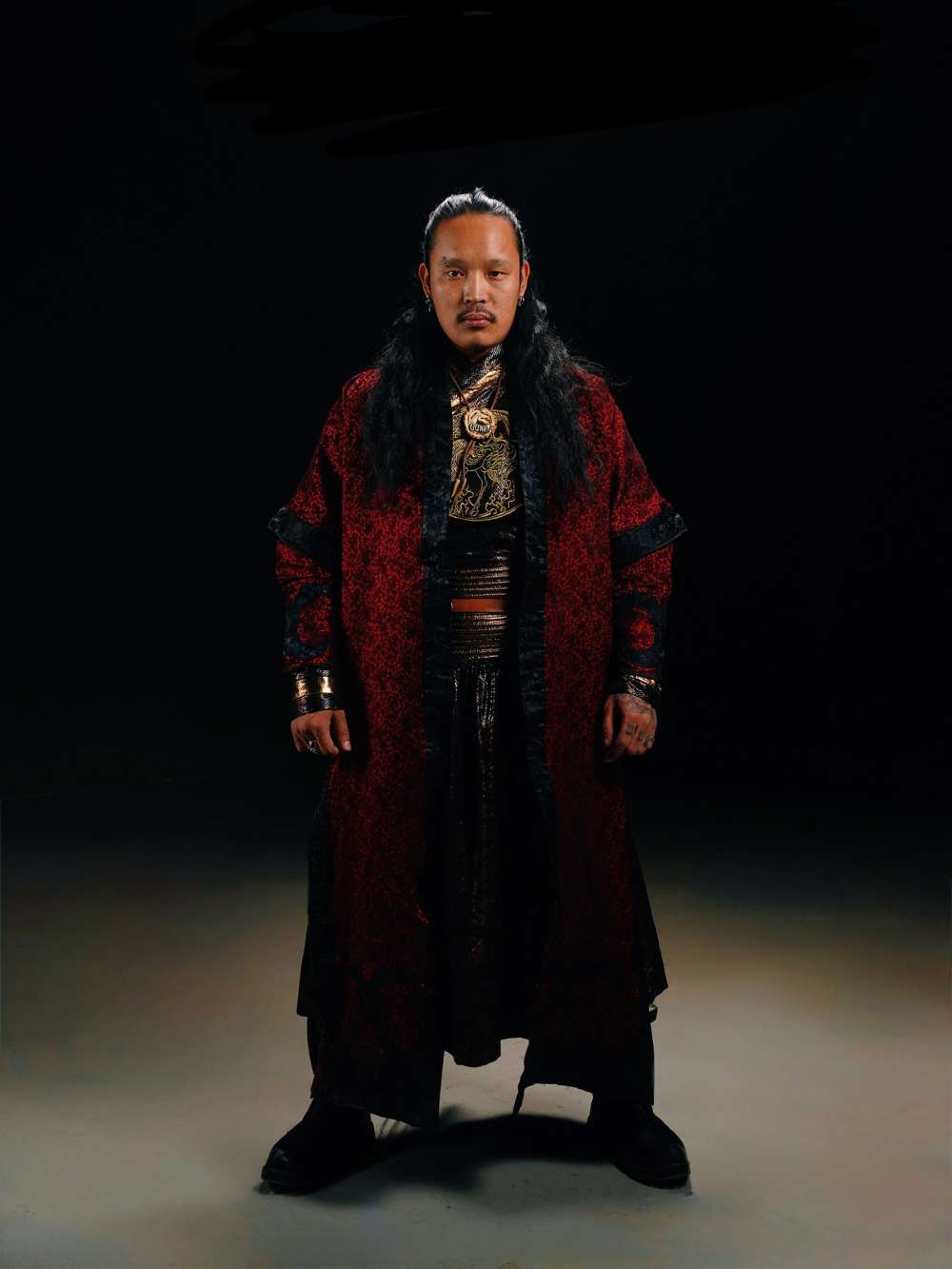
Metallerium: You are currently on the road with Nanowar of Steel and Lone Survivors. Your band name itself, 'Uuhai', is a traditional battle cry for good fortune. After these first few shows of the tour, what has it been like hearing European audiences—who may not speak Mongolian—chanting 'Uuhai ' back at you during your set?
Uuhai: It has been deeply moving for us. Hearing European audiences chant “Uuhai” back at us, even without understanding the language, shows the true power of music and shared energy. In those moments, words are no longer important. What matters is feeling, rhythm, and connection.
“Uuhai” has always been a call for strength, unity, and good fortune in our culture. When people from different countries and backgrounds shout it together, it feels like that ancient meaning is being reborn in a new place and time. The distance between cultures disappears, and the stage becomes a space where everyone is equal and connected.
After these first shows of the tour, we feel grateful and inspired. It reminds us why we chose this name and this path. Seeing audiences embrace the chant so naturally confirms that the spirit behind Uuhai is understood at a human level, beyond language and geography.
Metallerium: You are co-headlining this tour with Nanowar of Steel, a band known for parody and humor. It’s a bold pairing with your more spiritual and historical tone. Have there been any surprising interactions between your two fanbases so far on this tour, and what has been the most unexpected thing you’ve learned about European audiences since the album dropped on January 9th?
Uuhai: It has been a very positive and surprising experience. At first glance, our approaches seem very different, but on this tour we have seen that the two fanbases are much more open and connected than we expected. Fans who come for humor and fun are curious about our spiritual and historical sound, and many of our listeners enjoy the energy and playfulness that Nanowar of Steel bring to the stage. Instead of clashing, the contrast creates balance and keeps the nights exciting.
One of the most surprising things we have learned about European audiences since the album was released on January 9th is how open they are to feeling first and understanding later. Many people do not know the language or the cultural background, but they listen with attention and respect. They ask questions, stay after the show, and genuinely want to learn what the songs are about. We have also seen that audiences are not afraid to move between seriousness and joy in the same evening. They can laugh, reflect, chant, and stand in silence when the music calls for it.
This tour has shown us that European audiences are curious, emotionally present, and willing to follow the music wherever it leads. That openness has made every show feel like a shared experience rather than just a performance.
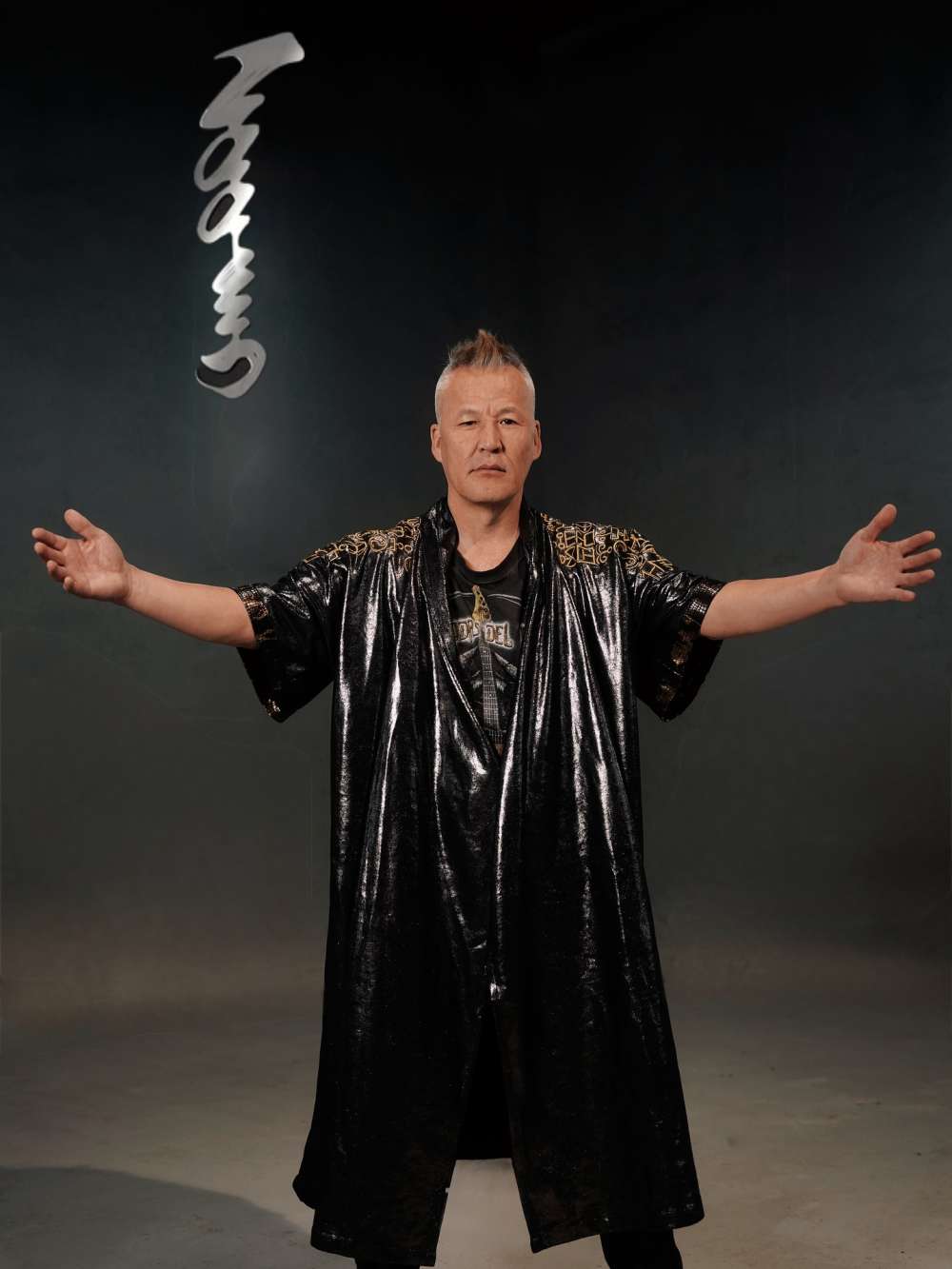
Metallerium: Uuhai is a large ensemble with seven members, featuring traditional horsehead fiddles (morin khuur) played by Zorigoo and Khurtsgerel, alongside a full rock setup. How do you creatively organize such a broad structure so that the ancient throat singing and the modern guitar solos from Dalaitseren don't compete, but instead strengthen each other?
Uuhai: The key for us is listening to each other. With seven members and very different instruments and roles, the music only works if everyone understands that the song comes first. We never write parts to compete for attention. Every sound has a purpose and a space.
The morin khuur and throat singing often carry the emotional and spiritual core of a song. They set the atmosphere, the movement, and the depth. The guitars and drums then respond to that foundation, adding power, tension, or release. Dalaitseren’s guitar solos are written as extensions of the melody rather than interruptions. They grow out of the same feeling already established by the traditional instruments.
Arrangement is very important. We leave space. Sometimes that means the guitar steps back so the morin khuur can speak, and sometimes it means the traditional instruments become rhythmic or textural while the guitar leads. Because everyone respects the balance, the parts naturally support each other.
We see the band as one body with many voices. Ancient and modern elements are not separate layers. They are different ways of expressing the same emotion. When that understanding is shared, the music feels unified rather than divided.
Metallerium: There is a track on the new album titled 'Dracula'. This is a character deeply rooted in European folklore, which seems like a departure from your typical themes of Mongolian history. What inspired you to explore this figure, and how did you 'Mongolianize' the legend of the vampire for your sound?
Uuhai: Dracula may sound like a departure at first, but for us it is not about borrowing a European story for effect. It is about exploring a universal symbol. The figure of Dracula represents darkness, desire, fear, and the shadow side of humanity. Those themes exist in every culture, including our own.
We did not try to retell the European vampire story directly. Instead, we approached Dracula as an archetype. A being that feeds, that takes more than it gives, and that survives by draining life around it. In that sense, the song connects strongly with the wider themes of Human Herds. It reflects imbalance, excess, and the danger of losing harmony with nature and with ourselves.
To Mongolianize the idea, we expressed it through our own musical language. Throat singing gives the character a primal and ritual feeling. The morin khuur adds tension and movement, almost like a dark wind across the steppe. Rhythm and atmosphere were more important than narrative details. We wanted the song to feel ancient and unsettling rather than cinematic or theatrical.
Within the album, Dracula plays an important role as contrast and exploration. It shows that Uuhai is not limited to one type of story. We honor our history and land, but we also explore broader human themes through our own cultural voice. In that way, Dracula becomes less about a vampire and more about reflection and discovery through art.

Metallerium: What, in your view, is the ultimate purpose or goal of Uuhai's music? What do you hope a listener takes away from a dedicated, immersive listen to one of your records?
Uuhai: For us, the ultimate purpose of Uuhai’s music is connection. Connection to the earth, to our roots, to one another, and to ourselves. We do not see our music as entertainment alone. It is a form of communication and reflection, a way to remind people that we all share the same world and the same responsibility toward it.
When someone listens to one of our records from beginning to end, we hope they feel grounded and present. We want the listener to experience strength, calm, and awareness at the same time. The music invites immersion, not distraction. It asks people to slow down, listen deeply, and feel the balance between power and humility.
If a listener walks away with a stronger sense of unity, respect for nature, and curiosity about cultures beyond their own, then the music has done what it was meant to do. Ultimately, Uuhai’s goal is not to give answers, but to open space for reflection and shared understanding.
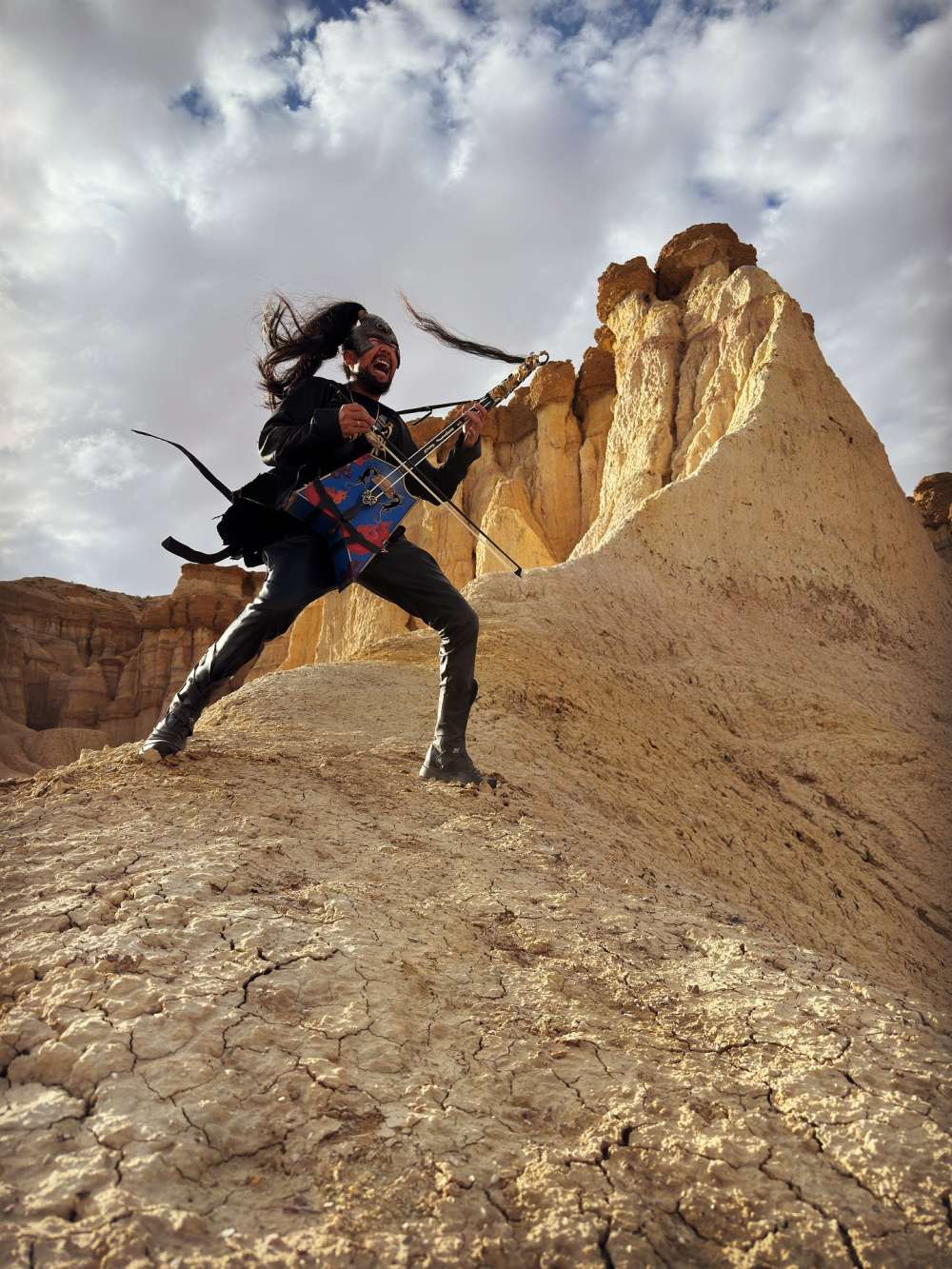
Metallerium: Thank you for the interview; it was a pleasure speaking with you. Congratulations on this new album "Human Herds”. Perhaps you'd like to add something for your Latin American fans and Metallerium followers?
Uuhai: Thank you very much, it was truly a pleasure speaking with you. We are grateful for the thoughtful conversation and for the support you have shown to Human Herds.
To our Latin American fans and the Metallerium community, we want to send our sincere respect and appreciation. Even though we come from very different parts of the world, we feel a strong connection through music, spirit, and shared emotion. Your passion, warmth, and openness toward heavy music and culture are deeply felt, even from afar.
We hope that our music reaches you as a message of unity, strength, and respect for the earth and for one another. We would love to one day bring Uuhai to Latin America and share this energy with you face to face.
Until then, take care of each other, stay true to your roots, and keep the spirit alive. We send you a strong Uuhai across the ocean.


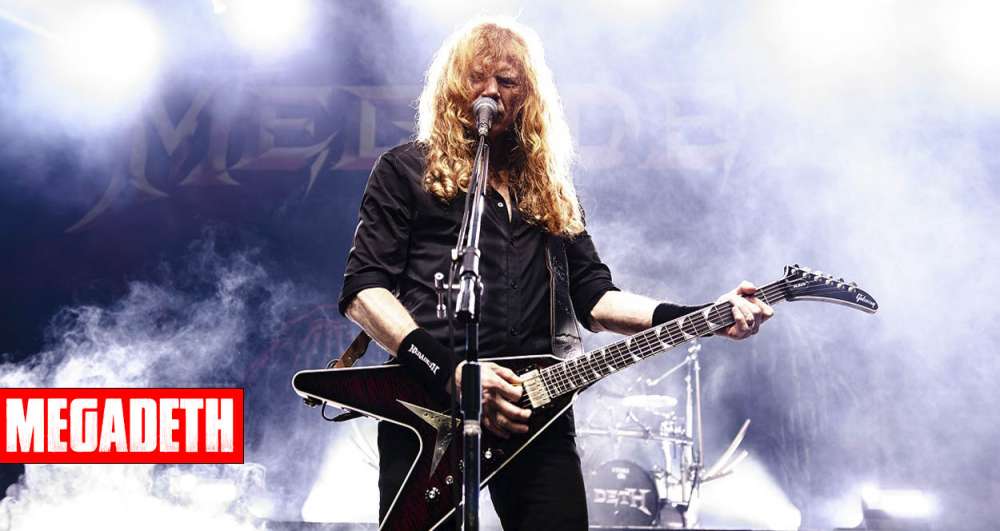
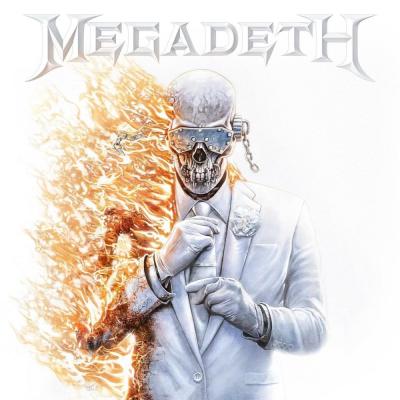 Megadeth - Megadeth - 2026
 Karnivool - In Verses - 2026
 Locus Noir - Shadow Sun - 2026
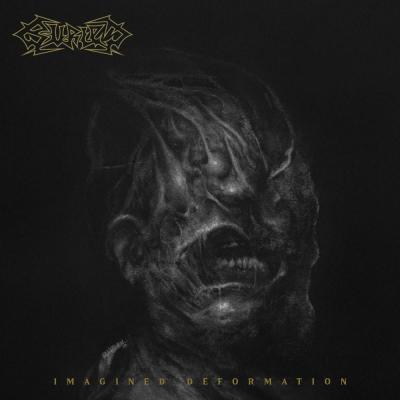 Buried - Imagined Deformation - 2026
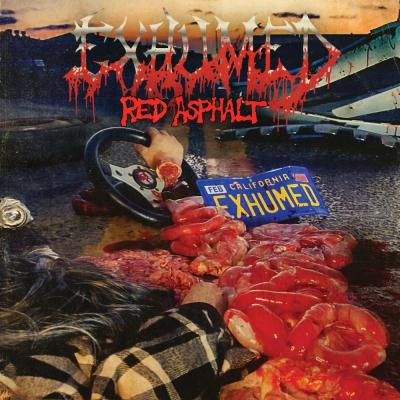 Exhumed - Red Asphalt - 2026
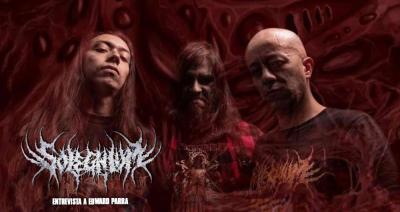 Entrevista a Solegnium (Edward Parra)
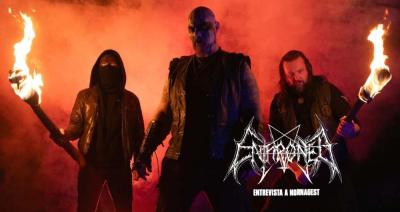 Entrevista a Enthroned (Nornagest)
 Entrevista a Sun of the Dying (Daniel y Roberto)
 Entrevista a Putrid (Miguel Ángel Beraun)
 Entrevista a Phobocosm (Samuel Dufour)
 Bandas Suecas que cambiaron las reglas del juego en el Metal mundial
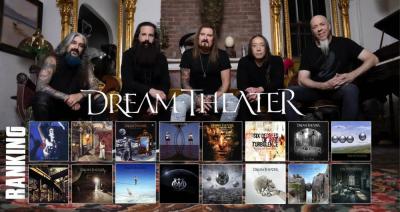 Ranking de lo peor a mejor de Dream Theater
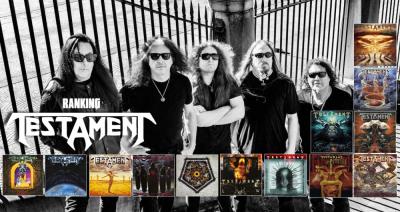 Ranking de lo peor a mejor de Testament
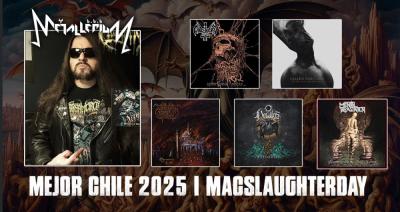 Lo mejor de Chile 2025 (Macslaughterday)
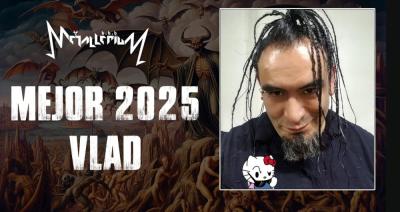 Lo mejor del 2025 (Vlad)
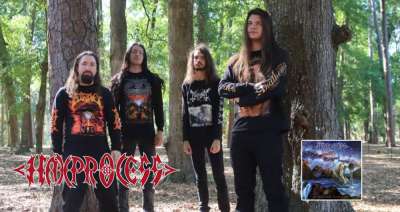 Haxprocess presentan nuevo sencillo Privation de nuevo álbum Endlessly Flowing Cascades of Grief
 Sercifer
 18.09.2026
  73
73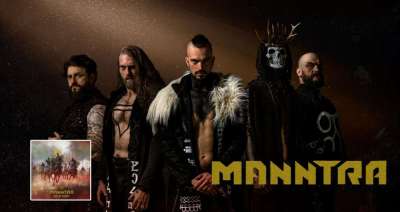 Manntra presentan nuevo sencillo Watcher Watcher de nuevo álbum Wild HuntSercifer 18.09.2026 77
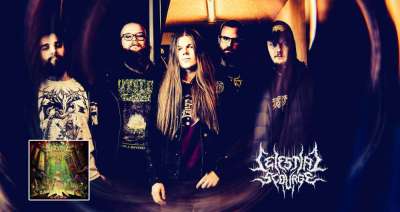 Celestial Scourge presentan nuevo sencillo Foreseen Systematic Malfunctions de nuevo álbum ExomiaSercifer 18.09.2026 76
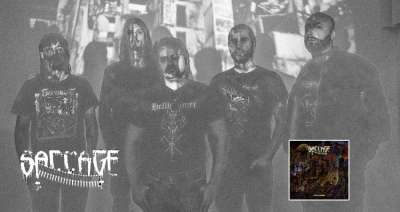 Saccage presentan nuevo sencillo Terreur Diurne (Daytime Terror) de nuevo álbum ChronophageSercifer 18.09.2026 86
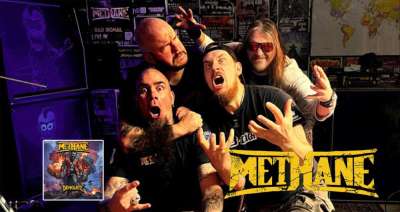 Methane presentan nuevo sencillo Research Chemicals de nuevo álbum DemolateSercifer 17.09.2026 87
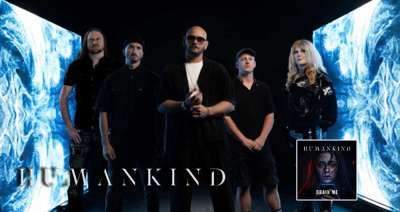 Humankind presentan nuevo sencillo Drain Me de nuevo álbum Perfect WorldSercifer 17.09.2026 92
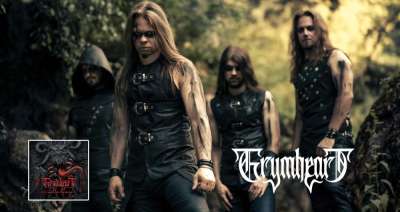 Grymheart presentan sencillo principal de nuevo álbum Wake Not The Beast Sercifer 17.09.2026 82
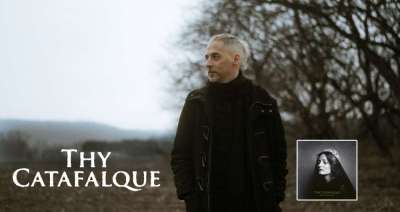 Thy Catafalque presentan nuevo sencillo Búcsú a piros madártól de nuevo álbum XIII: Sárga erdőSercifer 17.09.2026 78
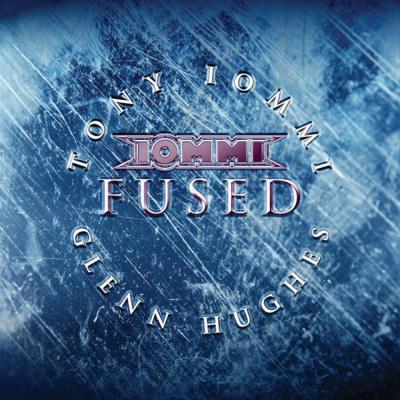 Fused
Fused Zeratulstra 09.09.2026 173
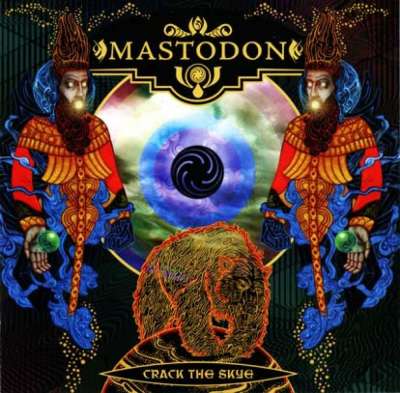 Crack the SkySercifer 07.09.2026 184
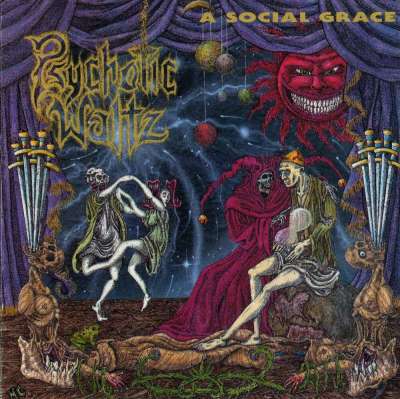 A Social GraceSercifer 07.09.2026 216
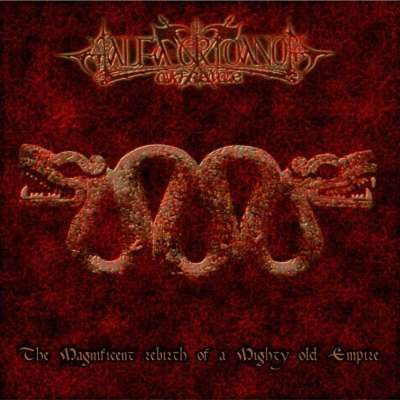 The Magnificent Rebirth Of A Mighty Old EmpireSercifer 07.09.2026 220
 The Puppet MasterGocho 12.08.2026 538