Sercifer
  13.02.2022
  8735
8735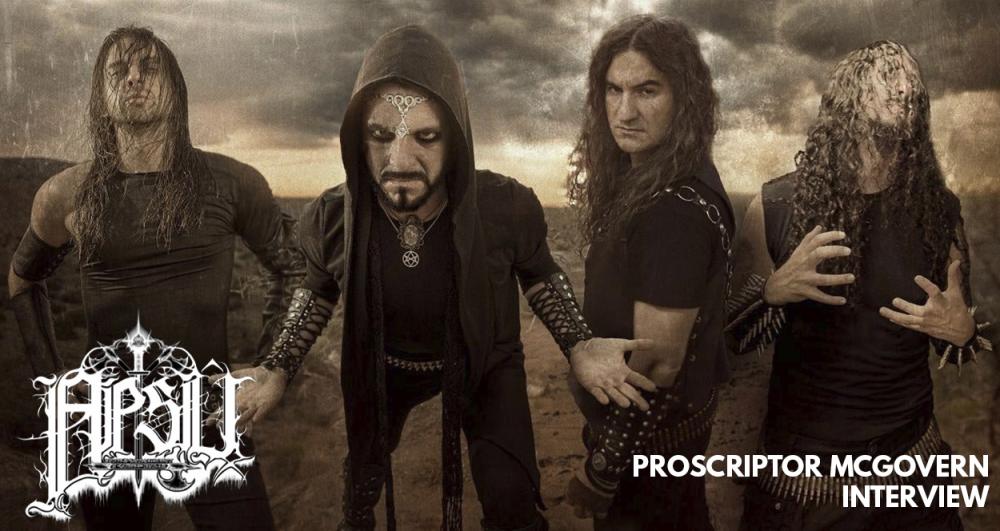
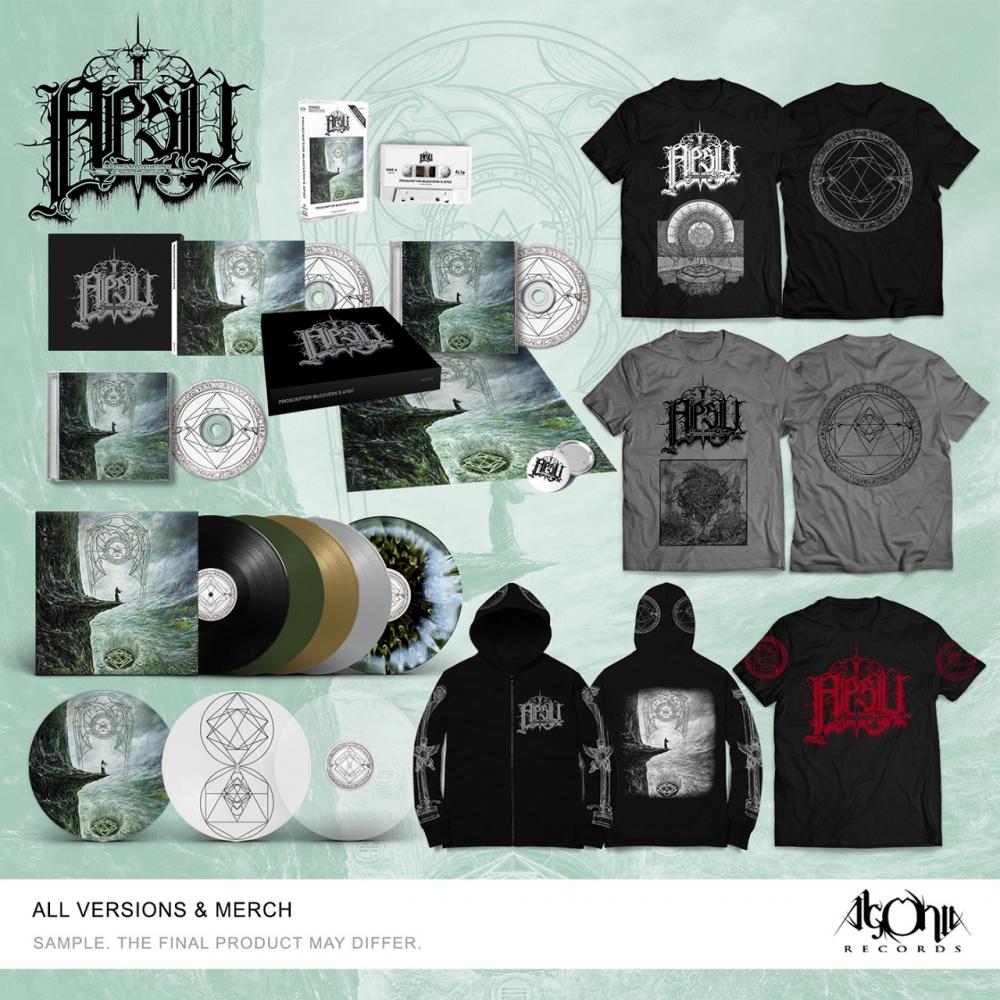
Proscriptor McGovern's Apsû is advanced Black Metal where you start listening to it, being an overwhelming album, and if you don't believe it, then listen carefully to the twelfth song, and it will be enough to flush many things from the entire year in the Black Metal of 2021. For this reason, Metallerium agreed to an interview with its founding member and the seed of this unique sound in the United States exclusively for Latin America.
Para leer la entrevista en español: Entrevista a Proscriptor McGovern’s Apsû
Metallerium: Welcome to Metallerium webzine pages Proscriptor McGovern. It’s a great pleasure to talk with you about your new band, this first album, and more things related to the extreme metal world. Starting, how does it feel to be back with the Absu’s sound after 10 years of silence in new productions? And, what feelings do you have now after the release of this new album?
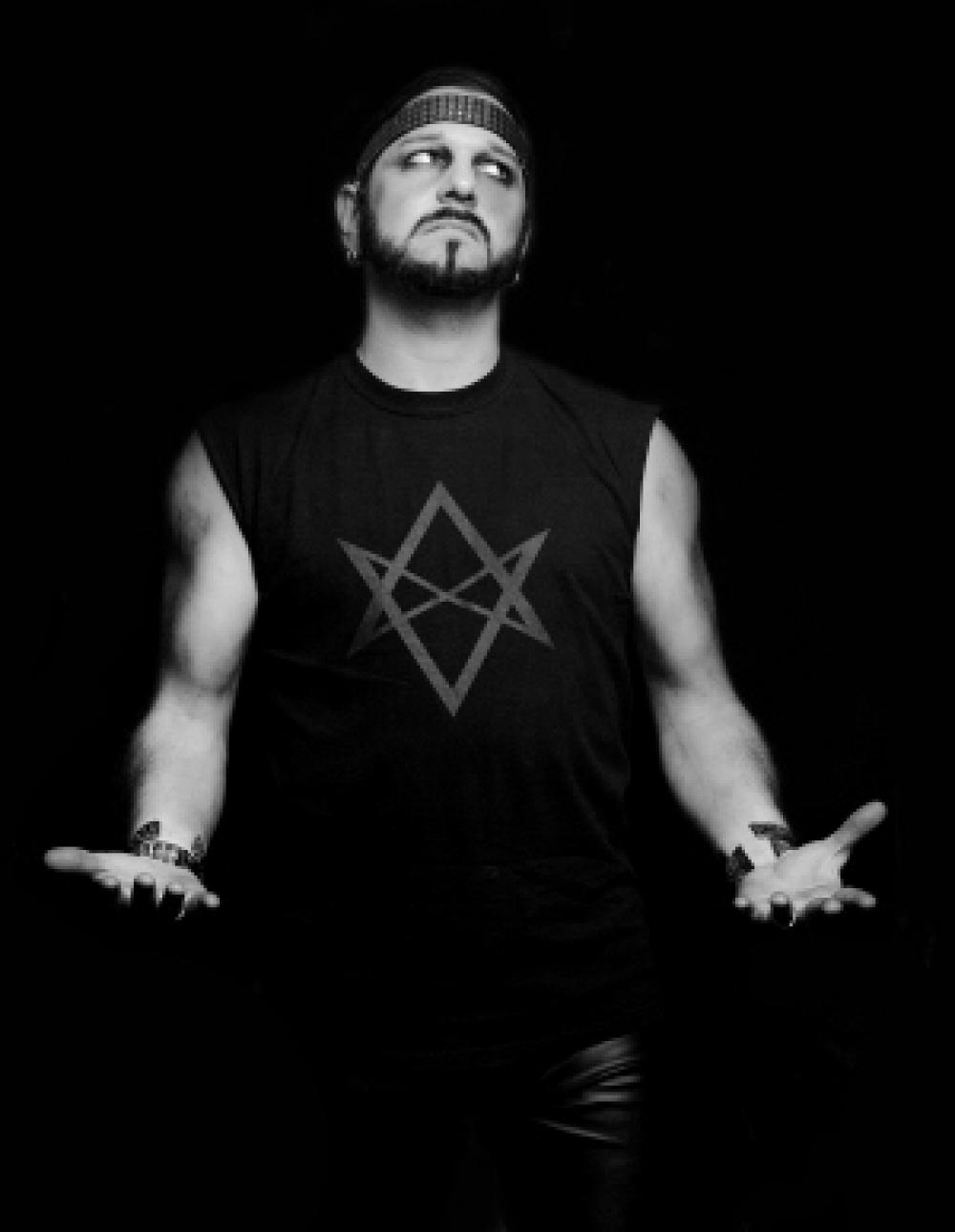
Proscriptor Mcgovern's Apsû: First and foremost, thank you very much for this interview! I must admit it is a stalwart sensation to be back in action after a long-awaited, silent decade. Therefore, the story cascades and flows like this: On January 27th, 2020, Absu’s dissolution was officially announced to productively spawn the commencement of Proscriptor McGovern’s Apsû. Six months later, it was announced that a debut self-titled album would be released with the new signatory label, Agonia Records. Since Absu’s last album ‘was’ to be penned as Apsû, (Babylonian allusion) the decision to fuse the album title, along with the pseudonym, was the aspiration in forming the new group. Furthermore, the time was appropriate to rightfully close the tainted portals of Absu while opening untainted ones for a new beginning – a beginning waving the flag of Proscriptor McGovern’s Apsû.
Metallerium: I was always amazed by Absu's music from the moment that found "Barathrum: V.I.T.R.I.O.L." (1993) on the streets. Even at that age, you played Death Metal style. But then showed up “The Sun of Tiphareth” (1995) with your Black Metal sound. What are the memories that you have of those years? And why did you decide to change the sound completely?
Proscriptor Mcgovern's Apsû: Magic (k) remains available, but today it doesn't walk up and bite you on the ass. The moment passes, as science is always passing and if it does not return, another moment becomes available, to be embraced or not. Question: Where does music come from? Answer: Where was the world before it was made? Find that place and you will find music.
Perhaps more than any other Absu album, "Barathrum: V.I.T.R.I.O.L." (1993) captures the sense of change and expectation that permeated the air as Emperor Proscriptor Magikus (Russ Givens), Lord Equitant Alastor (Ray Heflin), Shaftiel (Mike Kelly), Daviel AthronMysticia (Dave Ward) and Black Massith (Brian Artwick) entered Danny Brown’s home studio on Saturday, the 13th day of March 1993.
The early 1990s was, in some ways, an extremely magic(k)al time, a sought-after alternative to the mundane backgrounds of many extreme metal musicians; while itself crushingly mundane and maliciously hard. Many bands never come back quite the same as they set out and for a few, this is sometimes for the better. My life back then was an edification of occult sciences and especially the research of ‘Ars Goetia,’ which brought with it something extraordinary in the heat of that particular moment.
Years before my alliance with Absu, I was in two bands with both Equitant (Ray) and GaryLindholm; the first being Karnage and the second being Karrion both in 1988. I think one can see the appreciation we had for Kreator with those two names. Due to complications with finding a proper rehearsal facility, I was abandoned without a band as Ray and Gary went on to form Eternus, Dolmen, Necrotic, Azathoth, and then eventually Absu.
In 1990, I co-founded Ossuarist – a trio that lasted several months and resulted in one demo. The lyrical content was cheaply taken from my grandmother’s medical encyclopedia set, The Unified Library of Family Health - Medical Encyclopedia. Ossuarist transformed into Magus, an interesting hybrid of the fastest death metal to the slowest doom metal, which resulted in a successful demo landing the band a 7” EP released on Gothic Records in 1992. On June 10, 1992, I joined Absu. I was invited into the band several months before due to the musical differences Shaftiel (Mike) and Equitant (Ray) were having with drummer DanielBenbow. I was reluctant at first because I was occupied with Magus. But as months went on, I began to notice Magus’ crawling deterioration and when asked to join Absu, I did not hesitate.
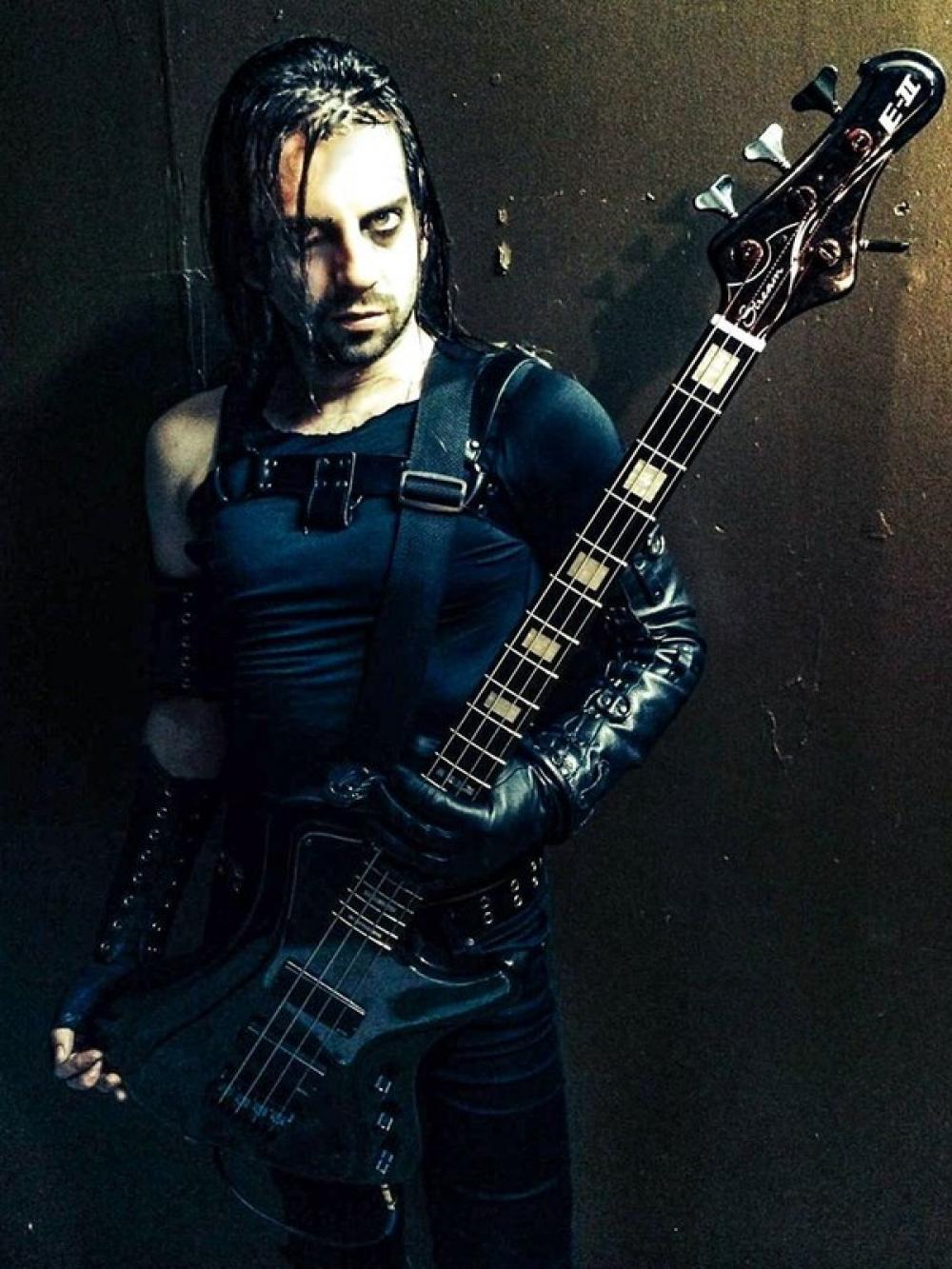
Absu was strictly a dark death metal outfit before my arrival. My main objective when joining was to inject elements of black metal, 80s thrash, and hints of 70’s progressive rock while keeping the dark death metal structure. Being that Absu’s name derived from Sumerian/Mesopotamian mythologies, my intentions were to highlight strong esoteric/occult themes and appearance and I felt my participation brought that factor. The "Barathrum: V.I.T.R.I.O.L." (1993) line-up only performed a few concerts before personnel changes took place. Shaftiel (Mike), Equitant (Ray) and I were definitely the tightest comrades within the band and decided it would be best if we reduced the band’s roster from a quintet to a trio. From September 1993 until April 2002, the Mark III and most notorious lineup of Absu existed. (Excluding the assistance of Mezzadurus (Chris Gamble) of Goreaphobia/Blood Storm fame aiding us for live performances)
"Barathrum: V.I.T.R.I.O.L." (1993) will always hold an enchanting, yet paranormal place inside my immortal soul, and, will always remain one of my favorite Absu releases because of its time and place. “Of course,” this time was explosive across the North Atlantic in 1992. Besides bands like Profanatica, Order From Chaos, Immolation, Divine Eve, Incantation,Sadistic Intent, Mythic, Goreaphobia, and Demoncy, Absu was perceived as a pioneering black/death metal band hailing from the States. However, forecasting the early materialistic movement of “black metal,” we instantly categorized our style as “mythological occult metal.” When labeling the band in this manner, I’m referring to the lyrical basis behind the music. And, it’s just that: occult sciences combined with antiquated mythology. Musically speaking, I still feel it’s a nice balance of black, death, thrash, and progressive rock music all tied into one format.
Before the recording, I spoke with engineer Danny Brown, who was responsible for working with Dallas locals such as Rigor Mortis, Talon, Sedition, Solitude Aeternus, Morbid Scream, and Divine Eve. Most of the aforementioned bands had recorded at a studio in Garland, Texas called Sound Logic; however, when I spoke with Danny, he was no longer employed there and suggested we record at his home studio. Beginning on March 13, 1993, I tracked the drums in converted storage shed in Flower Mound, (outside of Dallas) as the remainder of the recording was tracked in Danny's garage.
Many people are not aware of this, but Daviel Athron Mysticia (Dave) was initially supposed to sing all of my vocal lines on the album but did not. During the rehearsal process, I noticed he was not singing in correct meter with the tempos and the overall cadence was unbalanced. He had a very powerful voice and was a worthy singer, but it was “off.” Being that Equitant and I were the lyricists in the band, it was much easier for me to track the vocals myself. It was my first attempt as a singer in the studio and it clicked instantly. After hearing the playback for the first time, I was extremely pleased with my performance, and to be honest, I was thrilled about it. So, I snuck in the studio last minute, tracked the vocals myself and the rest is history. I’ve always had this internal struggle: to either be a drummer or vocalist. I decided then to multitask by handling both duties alongside Shaftiel.
Speaking of vocal lines, Danny asked if we would care to have female vocals incorporated in one or two tracks on the album. He suggested we speak with his wife, Lynette Mitchell, who was a trained opera singer. So, I walked into the kitchen as she was making some cocktails and asked her. She did not hesitate and instantly said yes. I had her sing the Latin verses in “Descent to Acheron (Evolving Into the Progression of Woe)” and a few lines in “Infinite and Profane Thrones”. She is what I call a “one-take wonder” and inconclusive thought, we were extremely pleased with her performance.
We were so intrigued with the “Queen of Disques” card from Crowley’s “Book of Thoth” tarot deck that we hired artist Tim Phillips to recreate the card adding our own ‘Thelemic’ touch. Equitant was in charge of the art direction, as well as hiring an illustrator to satisfy our perfect, desired cover. Here are Equitant’s recollected thoughts on the matter: "I recall getting one of his flyers in the mail while I was trading demo cassette tapes. I noticed he created some art for a magazine cover and some other art for a few death metal bands. Later on, I came across another flyer titled "Tim's Evil Art" and below it read "artist for hire." I then wrote him a letter detailing what we wanted for the cover. I believe the full price he charged us was $150 and felt it was a reasonable price for such a detailed piece of art in those days. The most fascinating part about it: he mailed us several VHS tapes of him actually drawing the outline then painting the cover as he progressed right through it.” The original artwork, mounted on a 22” x 22” piece of dilapidated plywood and framed, is currently hanging in my study.
Photography: James Bland, who’s still a notorious band photographer from Dallas, shot the photos for the release. There were two sessions that were accomplished on the same day: one in James’s personal studio, while the other was taken on the side of an occult bookstore outside of downtown Dallas, called Lucia’s. James thought it would be a splendid idea to shoot us underneath an Egyptian “Eye of Horus,” which was painted on the side of the building. After viewing the contact sheets from both sessions, we all felt the latter did not fit our image, so we strictly went with the studio shots.
When Osmose Productions licensed the album from Gothic Records, they could not obtain the negative color slide of Tim’s cover art in time for the release date, so they were forced to use one of James’ shots for the cover instead. Gothic claimed they delivered the color negative to Osmose Productions twice, but they never received it. We were so irritated by this because keep in mind: our album was being released the same day as Immortal’s “Pure Holocaust” (1993). We felt like we were copying Immortal and vice versa. In other words, we never wanted that photo as a cover and on top of that, the first CD/LP pressing featured a hot pink logo! What is the fucking world was Osmose Productions thinking?
Labels: In 1992, the only official release Absu had was “The Temples of Offal” (1992) 7” EP released on Gothic Records. After a few sold-out presses, Gothic offered the band a one-album agreement for the debut release of "Barathrum: V.I.T.R.I.O.L." (1993) Ironically speaking, working with Gothic was prosperous although we experienced several problems working with them. Gothic worked out a licensing deal with France’s Osmose Productions. With a couple of failed attempts to have the album “properly” released by Gothic, Osmose successfully came through in late 1993 and released the debut not only for Europe but throughout the remainder of the world. So, I must admit that Gothic and Osmose’s alliance was responsible for the release of "Barathrum: V.I.T.R.I.O.L." (1993) and Absu’s mystical emergence.
Hellas Alliance: 1992-1993: Absu had an extremely close bond with, not only on a musical level but on an amoral and esoteric level as well: Greece! During the period of composing, arranging, recording, and releasing "Barathrum: V.I.T.R.I.O.L." (1993), Absu had very close camaraderie ties with bands such as Rotting Christ, Necromantia, Thou Art Lord, Varathron, and especially Zemial and Agatus.
The Sun Of Tiphareth(Osmose Productions – 1995)
For me, “The Sun Of Tiphareth” (1995) is the sound of an idea that simply refused to quit in the midst of extreme adversity and apparently insurmountable odds. Understandably, the departure of forty percent of the group never tarnished the confidence that had characterized Absu’s demeanor during the period when the previous album, "Barathrum: V.I.T.R.I.O.L." (1993), was released. Yet in a remarkable display of arcane and ancestral determination, “The Sun Of Tiphareth” (1995), deserves to be judged on its own virtue and not merely as an adjunct of its more insurgent predecessor.
We did not waste much time lamenting the departure of Daviel Athron Mysticia (Dave) and Black Massith (Brian) after the release of the first album. By October 1993, Shaftiel, (Mike) Equitant (Ray), and I were composing and rehearsing new material for our sophomore release. If anything, we were relieved to become a trio – a re-embodied outfit with novel ideas and fewer social outcomes.
Before the final decision to be reduced to a three-piece, I recall a brief period searching for a second guitarist alongside Shaftiel, as Equitant handled bass guitar duties on the debut. The fruitless quest for a replacement had undoubtedly put us off the notion of attempting to integrate an outsider, so we decided not to recruit another lead guitarist for recording purposes. Instead, both Equitant and Shaftiel extended their roles as both guitar and bass players, as we never lost a key part of our sound, but revolutionized it for the better; finally placing the crown on our audible craft, which we would classify as “mythological occult metal.”
Why give the album such a paradoxical title such as “The Sun Of Tiphareth” (1995)? At the time, the working title was Across The North Sea To Visnech, which later became the subtitle to the album’s second song: “Feis Mor Tir Na N’og”. This name was formulated by Equitant and confidently supported by Shaftiel. I slightly questioned it at the time, as I felt the moniker was leaning too much toward a Celtic direction. The lyrical content was primarily concentrated on Thelemic Magic(k) and Sumerian/Celtic Mythology, so I compellingly felt the record deserved a more diversified title. To all who are unaware, “Tiphareth” is the sixth and central Sephirah (Sephiroth) of the Tree of Life, located in the center of the Pillar of Balance/Consciousness. It is also represented by the Sun and at the time I was conscientiously studying alternative etymologies between the Tree of Life and Eliphas Lévi’s Baphomet. The Sun is the self-consciousness of Baphomet, as both are representations of Astral Light: the medium of all magic(k). My metaphysical ramblings can become a bit convoluted, but these are the networking bonds of how the album’s aestheticism came together.
Once the album was released in March 1995, Absu was granted the opportunity to extensively tour Europe with Impaled Nazarene and Sadistik Exekution, as well as North America with Enslaved and Incantation. Both excursions were a grandiose success, which lead to future touring in 1997 in support of the band’s next album: “The Third Storm of Cythrául” (1997).
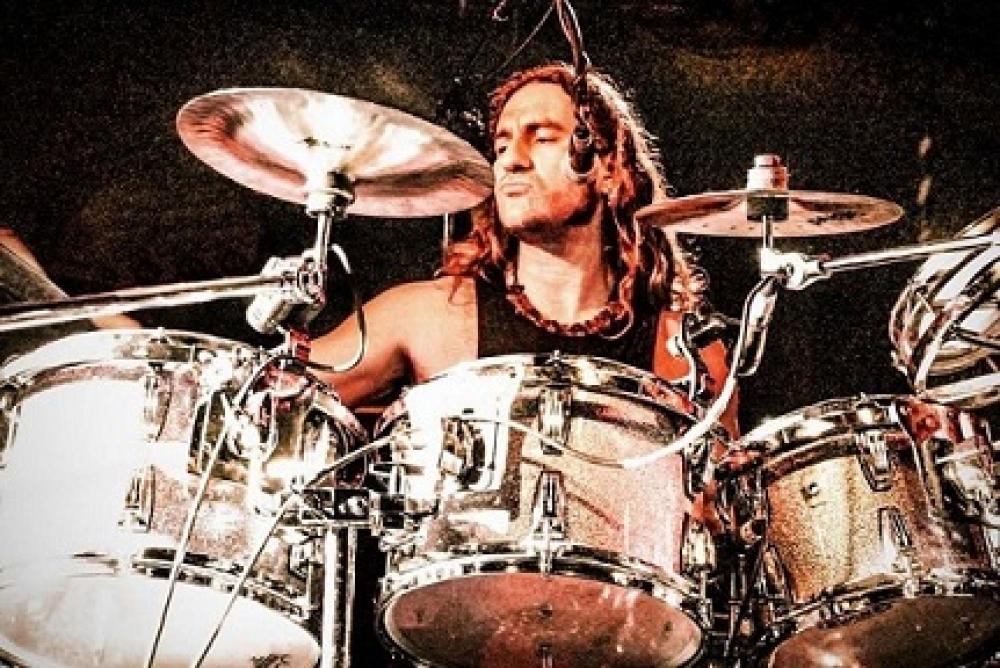
Metallerium: For many people around the world. “Tara” (2001) was the first album where Absu achieved a personal sound that continues until this “Proscriptor McGovern’s Apsû”. Through these 20 years, what are the biggest changes that you find in Absu’s music? And can you go beyond the sound achieved over years without leaving what has been achieved?
Proscriptor Mcgovern's Apsû: On a musical level, not much has altered as far as the compositional structuring of “Mythological Occult Metal.” Originally released on May 24, 2001, it has been a highly celebrated recording, as well as a staunch favorite amongst our followers. With our previous two releases, “Tara” (2001)is a concept album that deals principally with themes of immortality, ceremonial magic(k), and Celtic Mythology. It was first conceived immediately after the 1998 release of “In The Eyes Of Ioldánach” (1998)when my damned frustration grew with the lack of intelligence in the extreme metal environment – it was my main objective to fully educate MY audience.
The album is a concept that centers around its title: The Hill of Tara (Irish: Cnoc na Teamhrach, Teamhair or Teamhair na Rí) is located in County Meath, Ireland, which contains a number of ancient monuments, an otherworldly gateway, a mound for hostages, but most importantly was the seat of the High Kings of Ireland.
There is an abundance of mythological material relating to Tara and it is mentioned in many stories of Celtic Mythology. According to legend, the hill was named after Tea, a goddess, and is also associated with Maeve (another goddess) undoubtedly named from Connaught. By twisting the historical and mythological facts behind Tara, I was able to interpret my own elemental plot of immortality, ceremonial magic(k), and our ancestral attributions implemented in this legend.
Now that two decades have passed, I wholeheartedly want to concentrate on the lyrical/spiritual aspect of the new album of Proscriptor McGovern’s Apsû:
In mythological terms, Apsû (Babylonian allusion) is the primeval Sumerian–Akkadian demiurge that personifies the primordial Abyss of mawkish sweet waters underneath the earth and all–begetter of the skies. As the consort of Tiamat, Apsû is the primordial gulf of Chaos and brackish salt waters. When the two collided, Psychosomatic was held captive in the underworld–like immobility.
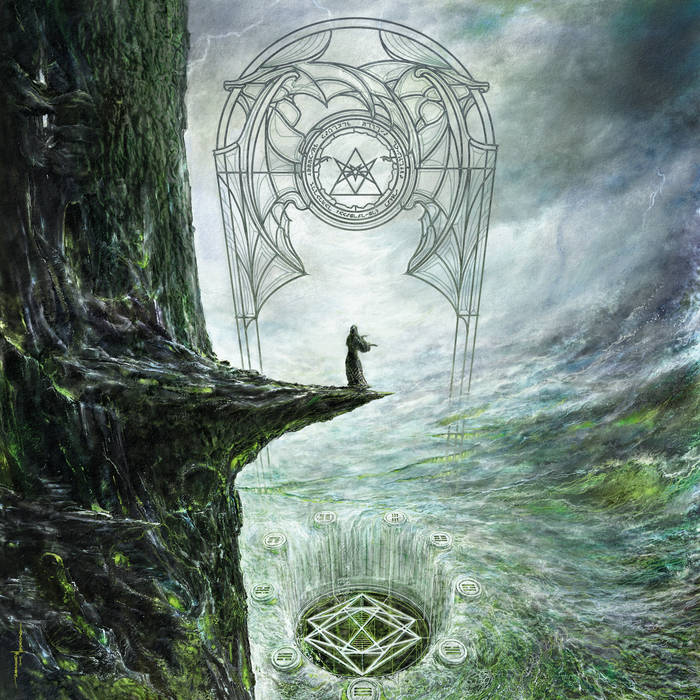
In metaphysical terms, Apsû is the psychological association between the phenomenal and the noumenal: the illusory and the real. Magickally considered, “Crossing the Abyss” is to transcend the world of subject and object – resolving the antinomies of mundane consciousness. Most meaningfully, it is the most critical stage upon the Spiritual Path. If the crossing is not flawlessly achieved, insanity (temporary or permanent) results. This now leads to the designation between Supernals and Infernals in the Qabalistic system of the Tree of Life.
These two counterparts are represented by two triangles, which form a unionized composition called the Unicursal Hexagram. One downward triangle (Supernal) and upright triangle (Infernal) symbolically becomes Unicursal meaning there is no separation between the two any longer. To make a perfectly clear analogy, it’s as if there is no separation between ‘mythology’ and ‘occult’ sciences within this album – both profoundly fused together.
In ‘mythological occult metal’ terms, the following subject speculations can be found within the lyrical content, which is also represented by theoretical plate illustrations:
Consecrated Arithmantia
Death Posture Opposing The Bornless Ritual
Fractal Ontology
Liber Al Vel Legis
Mereological Nihilism Versus Metaphysical Solipsism
Wordless Aeon, The (Veil Of The Abyss Ordeal)
Trigrammaton Gematria
Zos Vel Thanatos Formula, The
Nevertheless, Thelemic Magick and Near East Mythology are foundations underlining the aforementioned clairvoyants.
I compellingly admit: annexing this amount of research examined the probabilities of both the positive/negative classes along with the early/latter ages of the universe. I have exhibited a large number of experiments in the course of this album, many of which, are founded upon the convinced application of actives to passives.
With the entire album written in ‘vers libre’ (free verse) poetic form, the following features point of view, lyrical tense, character voice and summary overview composed for each song.
Metallerium: Talking about Black Metal history in the US. I recently saw one or two books about the Black Metal from the United States that speaks about the early days and the style during the 90s and the sound achieved with bands like Von, Krieg, Weakling, Leviathan,Xasthur, Nachtmystium, and more. What do you think of these books that talk about an American sound in Black Metal? Coz for me and I think for a lot of people too. Absu was the first Black Metal in the 90s with Judas Iscariot and perhaps with Averse Sefira too.
Proscriptor Mcgovern's Apsû: I am familiar with both books, but I am going to decline my opinion concerning both of them.
Metallerium: Talking about the American sound. Do you think that the United States has a sound within Black Metal that it can compete with styles such as Finnish, Norwegian, Greek, and Swedish? Or do you think that the American Black Metal is still missing a special sound?
Proscriptor Mcgovern's Apsû: Again, and not be too discourteous nor trying to avoid the question, my friend, but both Absu and Proscriptor McGovern’s Apsû are an entirely different entity versus other acts amongst the US territory. I can honestly say that the United States Black Metal’s sound possesses its own characteristic just like the aforementioned styles of Finnish, Norwegian, Greek and Swedish – I also think it’s a safe assumption this too applies to black metal of Canada, Brazil, Japan, Mexico, Iceland and so forth. In other words, we all have our own particularized, euphonic ingredient.
Metallerium: Thinking a bit about touring stuff and the meaning of Apsu's name and Tiamat's relationship within the Enuma Elish. Did you ever think to do a tour that has both bands and title it Enuma Elish Tour? Coz it would be very striking and bands of different styles but both bands bound by mythological names.
Proscriptor Mcgovern's Apsû: It is a rather dedicated and unique approach, but musically it would be an immense calamity.
Metallerium: Speaking a bit of Absu album lyrics, the first two albums are based on Sumerian mythology, while “The Third Storm of Cythraul” (1997), “In the Eyes of Ioldanach” (1998), and “Tara” (2001) form a trilogy about old Celtic mythology. Then after a hiatus of five years, the band returned in 2007 and released a self-titled album in 2009, the first part of a new trilogy based on magick and occultism that extend to 2011. And this new album is the third chapter to close the last trilogy? And have you ever tried to talk about Inca or Mayan cultures?
Proscriptor Mcgovern's Apsû: Please refer to my answer featured in Question #3 regarding the lyrical content/thematic harmony for the new album. I have never attempted to incorporate Incan or Mayan attributions with my sentimental ways; however, I am profoundly intrigued with them, as I am with countless dynasties and their affiliated mythologies. It’s whimsical you mention this because I once “had” a Peruvian girlfriend from 1996 to 1999, as she showed me sortilege of her cryptic ascriptions.
Metallerium: Speaking of tours. How was your experience on your last tour in Latin America? Which countries were the most encouraging for the arrival of Absu?
Proscriptor Mcgovern's Apsû: We toured South America in 2012, as well as 2016, and both excursions were outstanding. If I had to select the most encouraging countries, (or, should I say “the most maniacal”) it would be a tie between Colombia and Chile. Therefore, the performances in both regions were furious and raging to say the very least.
Metallerium: Well, Proscriptor McGovern, the sad time arrived at this interview, I hope you enjoy this one as I did, and thank you very much for your time. This new album is awesome. Take care during this pandemic situation and our best wishes from this part of the world. Do you have any last words for your fans in Latin America and Metallerium readers?
Proscriptor Mcgovern's Apsû: To reiterate, I thank you very much for this interview and lastly to all of you reading:
Remember: Never Blow Out The Eastern Candle!



 Megadeth - Megadeth - 2026
 Karnivool - In Verses - 2026
 Locus Noir - Shadow Sun - 2026
 Buried - Imagined Deformation - 2026
 Exhumed - Red Asphalt - 2026
 Entrevista a Solegnium (Edward Parra)
 Entrevista a Enthroned (Nornagest)
 Entrevista a Sun of the Dying (Daniel y Roberto)
 Entrevista a Putrid (Miguel Ángel Beraun)
 Entrevista a Phobocosm (Samuel Dufour)
 Bandas Suecas que cambiaron las reglas del juego en el Metal mundial
 Ranking de lo peor a mejor de Dream Theater
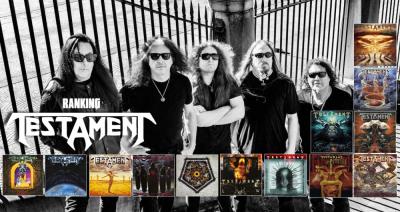 Ranking de lo peor a mejor de Testament
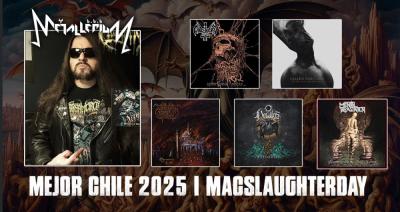 Lo mejor de Chile 2025 (Macslaughterday)
 Lo mejor del 2025 (Vlad)
 Stormruler presentan nuevo sencillo In the Eye of Umbria de nuevo álbum Morning Nautical Twilight
 Sercifer
 02.10.2026
  16
16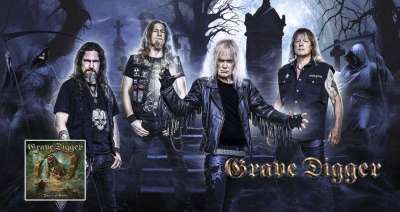 Grave Digger presentan nuevo sencillo The Number de nuevo álbum Faces Of PainSercifer 02.10.2026 17
 Radbraker presentan nuevo sencillo Danst, bok dans de nuevo álbum When the mist falls...Sercifer 02.10.2026 18
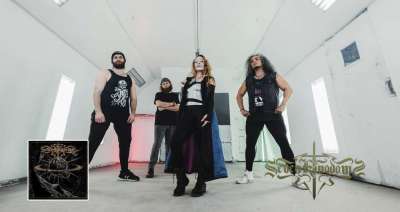 Seven Kingdoms presentan sencillo principal de nuevo álbum Sono SolaSercifer 02.10.2026 17
 Chants presentan sencillo principal de nuevo álbum EchoesSercifer 01.10.2026 71
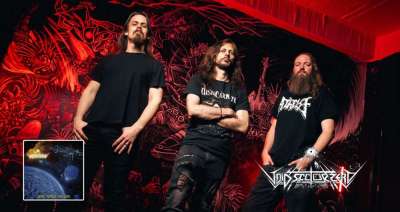 Void Sector Zero presentan nuevo sencillo Vortex Divinium de nuevo álbum Dead Space EnigmaSercifer 01.10.2026 60
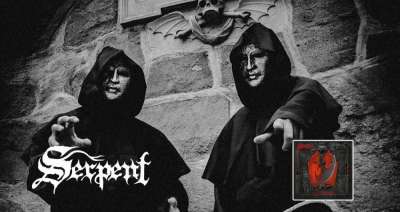 Serpent presentan nuevo sencillo Lightbringer de nuevo álbum The Pit and the Pendulum Sercifer 01.10.2026 63
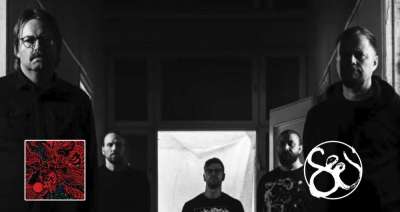 Sees presentan nuevo sencillo Tähden Varjo de nuevo álbum SuojaSercifer 01.10.2026 62
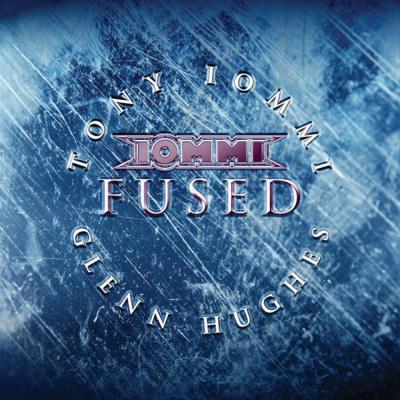 Fused
Fused Zeratulstra 09.09.2026 298
 Crack the SkySercifer 07.09.2026 324
 A Social GraceSercifer 07.09.2026 354
 The Magnificent Rebirth Of A Mighty Old EmpireSercifer 07.09.2026 352
 The Puppet MasterGocho 12.08.2026 705